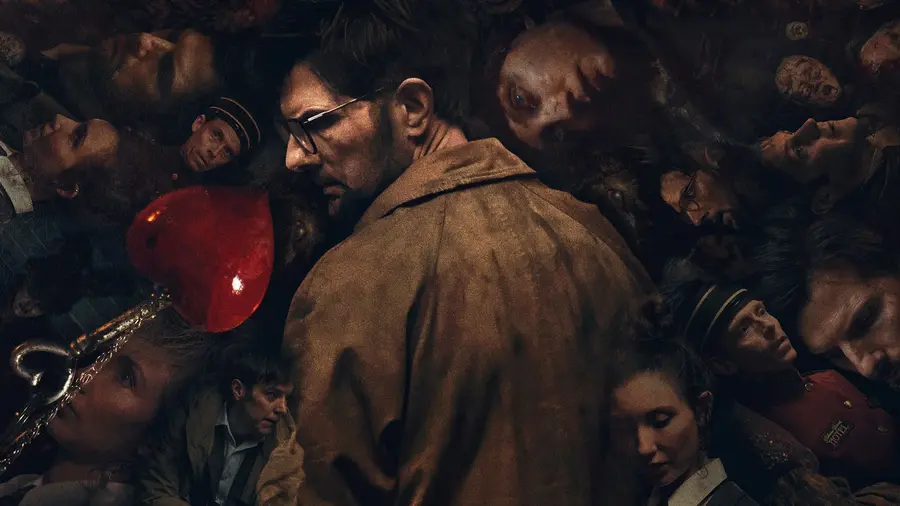
Damien McCarthy’s 2026 release Hokum fails to impress audiences. A supernatural horror film, it follows Adam Scott as an author who travels to an unknown haunted hotel in Ireland and faces the consequences of his past. Peter Coonan, David Wilmot, Florence Ordesh, etc., star in supporting roles. The film, released on 1st May 2026, in the United States, received mixed reviews. It was praised for its cinematography, but the pacing and acting could have been better. Here’s a full breakdown of what happens in the movie.
(Disclaimer: this review contains spoilers.)
Premise of Hokum
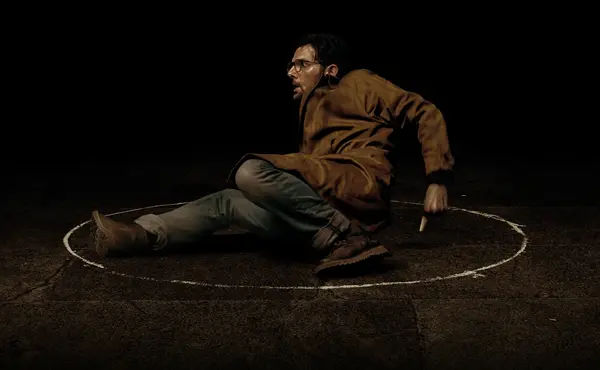
Ohm Bauman, an American author struggling to finish the conclusion of his successful novel series, is visited by the ghost of his mother. This prompts him to the Bilberry Woods Hotel in rural Ireland, where his parents had honeymooned, to lay their ashes to rest.
Strange things follow as soon as Ohm lands in the hotel. The owner narrates creepy folklores to kids, a strange man haunts the woods, a suite is locked up – perfect premise for a horror narrative. Tensions arise when Ohm, an eccentric, burns the bellboy Alby’s hand.
Very soon, he commits suicide, thus entering the second act. What follows is a dreadful suspense where audiences question what is scarier – a witch or a man?
Breakdown of Themes in Hokum
Both of Hokum’s strengths and weaknesses lie in the themes it evokes. But the ultimate delivery of the themes fails to evoke a strong reaction. They fall out flat.
McCarthy plays with human experiences such as trauma and grief, and intermingles them with Irish Folklore. Additionally, he also adds a whodunit element to his story. The concoction of too many themes spoils the broth.
Ohm’s tragic past
Ohm’s past haunts him. He has committed something indescribable, which leads to his suicide. The accidental death of his mother has left a mark on him. However, the intent to which the grief is used is unclear. It springs up in moments of terror when Ohm’s past resurfaces through flashbacks. Apart from the hauntings in The Honeymoon Suite, Ohm seems to be largely unaffected by his internal crisis. This results in a strange dilemma about his character.
Irish Folklores
The depiction of the Irish folklore is where McCarthy wins praise. The foreshadowing of Cailleach, a local witch, the Underworld, and the atmosphere he creates is commendable. Yet he fails to establish a proper link between Ohm’s past and the folklore, the latter being the catalyst for his disturbed state of mind.
A Whodunit Mystery
Hokum’s boldest and perhaps most interesting part is the who-done-it mystery. The tragic disappearance of Fiona drives the movie to its main crisis. It builds up a suspense of lies, deception, and a hidden past. It succeeds in showing the underlying motives of human beings, which are at times worse than facing a supernatural haunting. The three elements of the story were supposed to weave our tapestry of the story. Yet all of them remain highly underused. Neither do we get a full understanding of the repercussions faced by Ohm, nor a proper horror sequence with the folklore. Finally, the Who Done It mystery fails to bridge the gap between the first two themes.
Cinematography Saves The Narrative
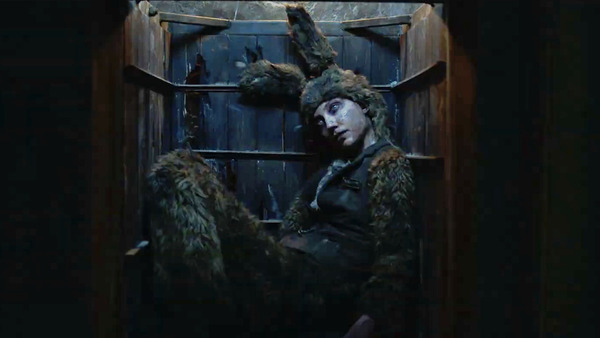
The cinematography is one of the aspects that hold the film together. Usage of muted tones, a lot of browns and greys, corresponds to the dry atmosphere of Ireland. The location draws chills along with the depiction of the forest.
Additionally, random jump cuts, perfectly timed jump scares, and a non-linear narrative add to the sinister effect of the movie. The rustic, almost one-shot takes adds an escape room situation to the honeymoon suite sequence. It is claustrophobic, it is dark, it is eerie. The sudden appearance of the witch terrifies the audience.
Nonetheless, there was a lot more that could have been done with the cinematography. Probably the screenplay does not allow for much innovation, and scenes appear to be abrupt at a lot of points.
Acting Falls Flat
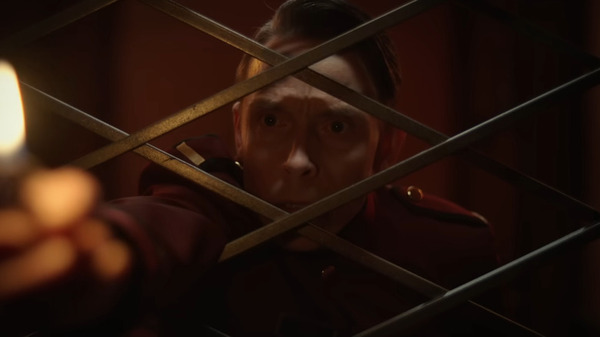
The weakest point of Hokum is not the screenplay; rather, it is the bland acting.
Adam Scott’s Ohm Bauman seems to be an eccentric, but he plays him in an unfazed manner. The character is confusing. On one hand, he questions the killing of innocent goats, and on the other hand, he burns someone’s hand at the slightest inconvenience. However, his deadpan expressions soften the effects of the haunting sequence.
Ohm doesn’t seem to be fighting for his life in the honeymoon suit; rather, it’s a minor nuisance to him. It might be the effects of trauma and suicide that numbs Ohm, but it seems unconvincing. Even a willing suspension of disbelief fails to justify his tablespoon-sized expressions.
Peter Coonan as Mal delivers a rather strong performance as the main antagonist. His movements speak evil. Alongside David Wilmot as Jerry and Michael Patrick as Fergal, live up to your characters. Florence Ordesh as Fiona and Will O’Connell as Alby are equally convincing.
Final Words on Hokum
Hokum stands out as one of those films which had great potential but was marred by the assortment of various ideas. Had Damien McCarthy focused only on one aspect, it could have been a huge success. The haunted guest house trope has been overused in cinema, yet Hokum has undervalued its presence to a large extent.
Apart from a few sequences that evoke true horror and amazement, the screenplay does not justify what the writers had in mind. Therefore, it became neither an escape room suspense nor one that addresses grief as a horror to the mind.
Follow The World Times for more such movie breakdowns.