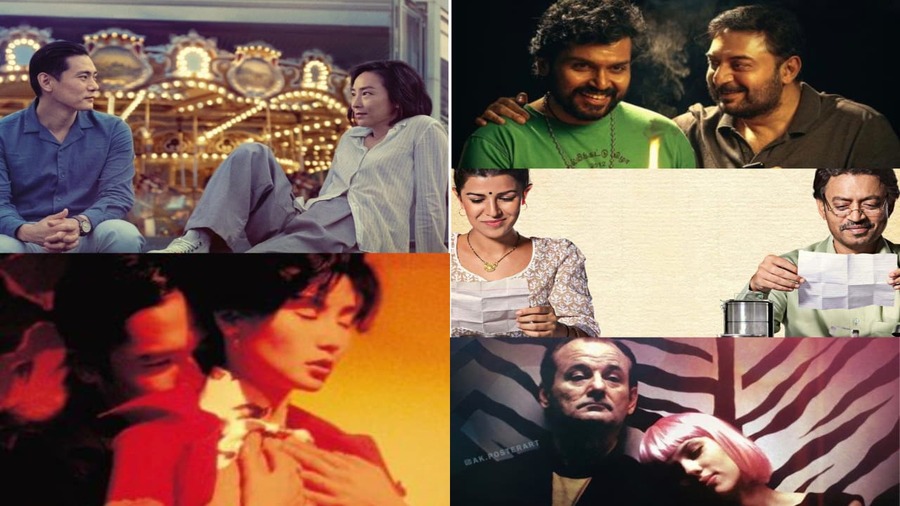
Some films about unspoken love stay with us longer than traditional romance stories. They explore loneliness, emotional connection, missed timing, and the quiet relationships that change people forever. From The Lunchbox to Past Lives, cinema often captures the kind of love that arrives unexpectedly and leaves silently, yet changes the way we understand life and human connection.
Imagine, on a very casual afternoon, you are simply existing, doing your routine chores, living in your world. Then something happens, which starts as a side event but introduces you to someone who doesn’t register initially, but eventually starts attracting you in a peculiar and unexplainable way. You are feeling something that you can’t explain to yourself, let alone discuss. It isn’t love, it isn’t friendship, but just…something. But then, when you are on the verge of it, they suddenly disappear, leaving you with an empty shell where nothing fits. What will you call it?
Unspoken love does not always need words. Sometimes, someone’s absence can make you feel more than you have felt while being with them, maybe showing you what you were missing earlier, and what you are left with now.
Relationships and connections do not require any label, not even a specified beginning. And as they say, life is unpredictable, love is too. One doesn’t even know what they are doing until it strikes them: “What am I doing?”
Strangers Who Became Home Through Unspoken Love

Movies show these scenarios through different stories, like in Ritesh Batra’s “The Lunchbox” (2013), where the interaction starts with a coincidental lunchbox exchange, slowly turning into conversations about their thoughts and situations. For a brief moment in their lives, they became emotionally dependent upon each other, creating a world of their own between those chits. Ila stood up for herself, breaking away from that loveless marriage.
She dragged it for years, knowing she had nowhere else to go, and despite practically never seeing Saajan, she came to his office and, in that disappointment, decided to shift. For Saajan, it woke him up from his loneliness, giving him hope for someone’s entry into his life. After years, he desired someone’s companionship. They helped each other heal, surrounded by the ambiguities of their relationship.
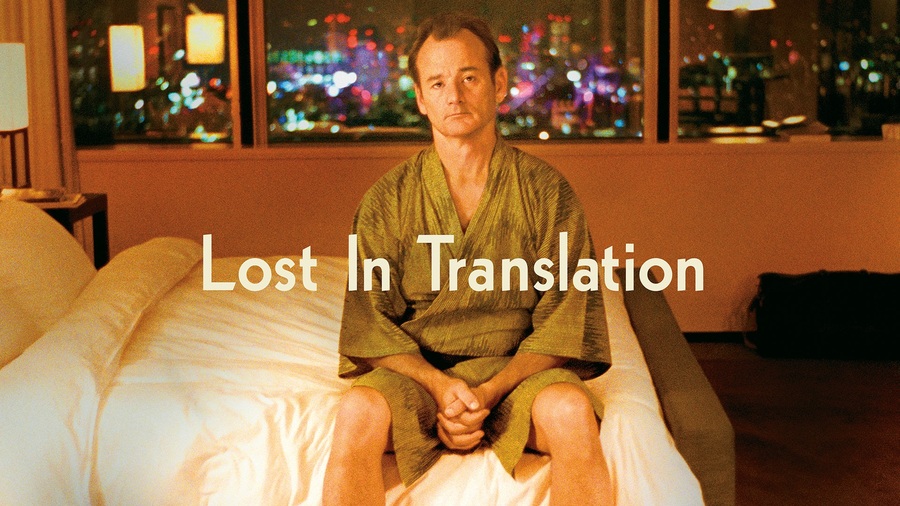
Similarly, in Sofia Coppola’s “Lost in Translation” (2003), a random bar meet became so much to Bill and Charlotte. Their journey from friendship to mutual understanding gave them an experience worth remembering for ages, missing the connection they lacked in their respective marriages.
It was the city alienation that brought them close, to having conversations they might not have had with anyone else. They were already tied to their responsibilities, but that didn’t prevent them from growing closer. The more emotionally close they got, the harder their goodbyes became, returning to their old lives while being left hanging between desires and reality.
The Unspoken Love Between Silences

Sometimes, when you know it is love, you still can’t explain its depth because of such tangled circumstances. This takes us to Wong Kar-wai’s “In the Mood for Love” (2000), where cheating partners become the reason for the creation of a bond they never expected. From rehearsing their partners’ extra-marital affairs to indulging in one too, their relationship slowly evolved.
But it wasn’t just attraction or compassion; it was more intense. They felt it between shared humour, awkwardness, stealing glances, and the warmth in each other’s silences. This is where unspoken love finds its meaning. So much so that after Mo-wan’s confession, he understood her through those unspoken words and the meaning behind them. He knew that somewhere she also felt for him, but she couldn’t admit it. Their story was more than love, filled with compromise and a mutual understanding of self-denial and delayed realisations.
When there is no need to say it
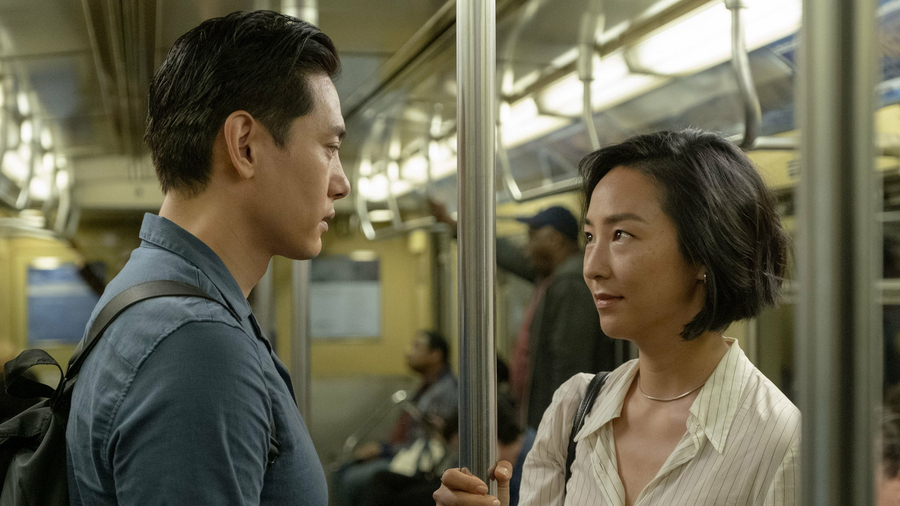
But what if it reappears in front of you in the form of an old lover, like in Celine Song’s “Past Lives” (2023), where Na-Young reconnects with Hae-Sung years after their last contact. It brings nostalgia, tears, and widened smiles, coupled with awkwardness and hesitation. Having a shared history through their teenage years, adulthood, and migration didn’t quite suit them.
Na Young, while being with Hae Sung, went through the love and care she still held for him deep in her heart, which had never actually disappeared, only been slightly neglected or ignored. They have always and forever been a part of each other. It was more than the mere labels of lover, friendship, or companionship. They were destined in a loop, not bound by any particular tag. Thus, Some forms of unspoken love never truly end; they simply become a part of who we are.
Unexpected Encounters of Life
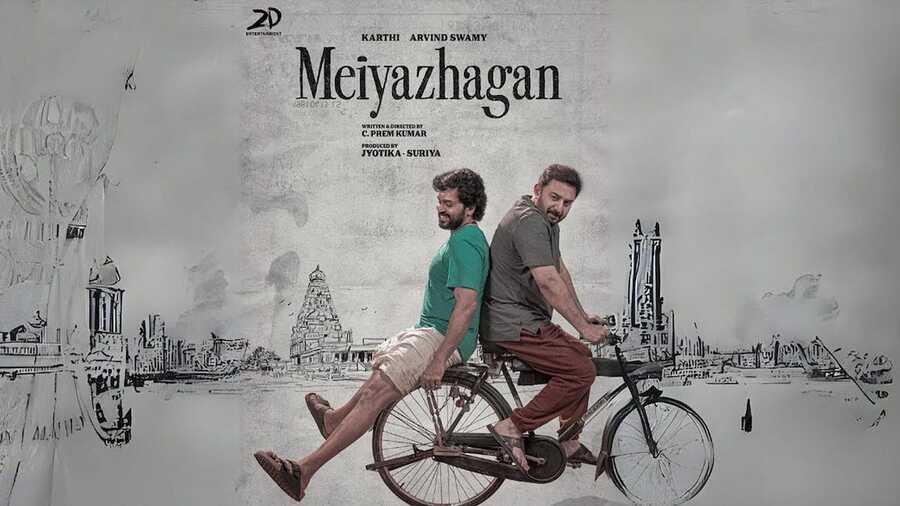
These connections are not bound by relationships of the same scale; they also hide in someone’s guardianship, like in C. Prem Kumar’s “Meiyazhagan” (2024). For Arulmozhi, who didn’t even know his name, let alone recognise him, his annoyance and care touched him deeply.
Him constantly calling “Athaan..Athaan” (Tamil-translation for cousin) with such affection and belongingness in his hometown made him feel genuine love, as if he had someone to call his own, someone over whom he could express care and authority affectionately. And finally, when his name struck him, all his memories and nostalgia came back, everything that had been suppressed within him.
They were connected most coincidentally and uncannily; these very events shaped their bond even before Arul knew they existed. If he had never come to his sister’s wedding, Meiyazhagan would still have worshipped and respected him the same way, but they met and resided within each other. His heart automatically drove him to Meiyazhagan, making them “family”, the ones you always come back to. This brings us back to our question: what actually is love? Because if this isn’t, then what is?
What Sarah Kay and Phil Kaye said in their dual poetry piece, “When Love Arrives“: Love is not always who you are expecting, nor what you can predict. Maybe love is not ready for you, or you are not ready for love. Maybe it is only there for one month, or it might stay forever, or maybe it shouldn’t. When it arrives, you must say “Welcome!”, and when it leaves, you must say “Thank you for stopping by,” leaving the door open and listening to the quiet.
For more updates, stay tuned to The World Times.