Background: The GLP 1 Opportunity in India
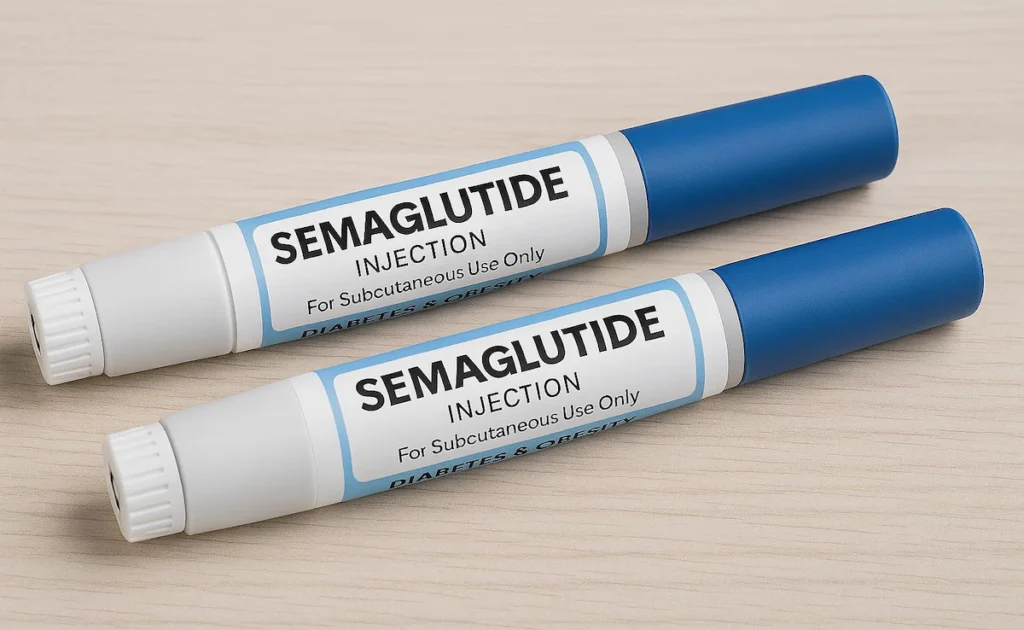
Semaglutide belongs to a class of drugs called GLP-1 receptor agonists. These drugs mimic a natural hormone that controls blood sugar. They also lower appetite. This makes them great for treating type 2 diabetes and supporting weight loss. India is a massive market for these drugs. More than 100 million people live with type 2 diabetes there, and that number grows every year. At the same time, obesity rates are rising fast due to city life, less movement, and poor diets.
High costs used to limit the use of this drug to a very small, wealthy group. Most people simply could not afford it. Now that key patents have ended, that barrier is gone. Indian drug firms can make cheap versions, opening the door for wide use.
The New Entrants: Products, Positioning and Pricing
Indian firms entered the market fast. However, each company has a unique plan. They do not just compete on price. They also focus on branding and how patients use the drug.
a) One company has created separate brands for diabetes and weight management. This helps it target different patient groups and doctors more effectively. Doctors treating diabetes and those treating obesity often have different expectations, and separate branding allows clearer communication.
b) Another company is focusing on delivery innovation. It has introduced a reusable injection device, which reduces long-term treatment costs and makes continued use more practical. In a price-sensitive market like India, such features can strongly influence patient adherence.
c) A third company is prioritising regulatory strength and trust. Since semaglutide is an injectable medicine, doctors can be cautious about prescribing it. Strong approvals and compliance help build confidence among healthcare professionals and support wider adoption.

Still, low prices alone will not win the market. This drug is given as an injection, and the dose must go up slowly over time. Because of this, patient care and education matter most. People need clear steps on how to use the shots, handle side effects, and stick to the plan. Firms that offer great patient support apps and clear guides will win long-term trust.
Risks and Challenges
Despite huge growth potential, a few clear issues could slow down the market:
a) One key issue is cold storage. Semaglutide needs refrigeration, which makes distribution harder. This is especially difficult in smaller towns and rural areas where cold-chain systems are weak.
b) Another challenge is affordability. Even though prices have fallen, long-term treatment can still be costly for many patients. Insurance support for obesity-related care is also limited in India, which reduces access further.
c) There is also a risk of counterfeit or low-quality products as demand grows. This can create safety concerns and reduce trust in treatment. Strong regulation and better quality checks will be important to protect patients.
d) Finally, the original makers might lower their prices to fight back. This would pressure local firms and squeeze profit margins.
Semaglutide and The Shift Toward Affordable Healthcare in India
Affordable semaglutide is a major milestone for India. It shows how fast access to great care can grow when prices drop. Moving forward, winning will require more than just a quick launch. The top firms will be those that ensure top quality, win over doctors, secure the supply chain, and support patients well.
This shift has global value too. Indian drug firms are famous for making high-quality medicine at a huge scale for very low costs. If they succeed at home, they can bring cheap semaglutide to many other developing nations. In the end, this is more than just a new drug launch. It is a bold shift towards a more healthier world.
For more such updates and insights on economic and financial developments, follow The World Times.