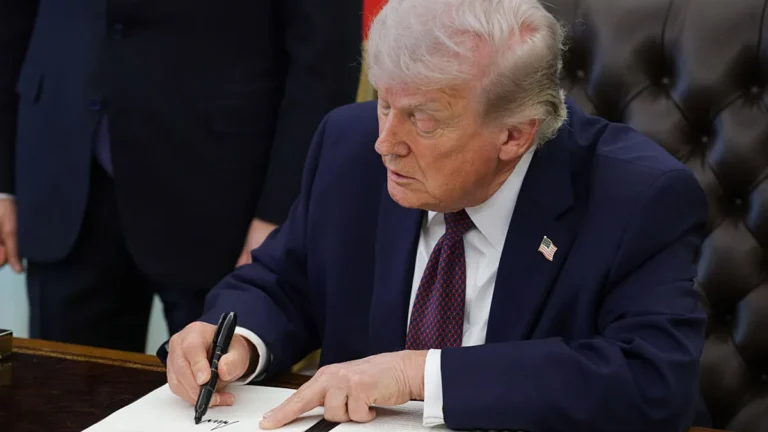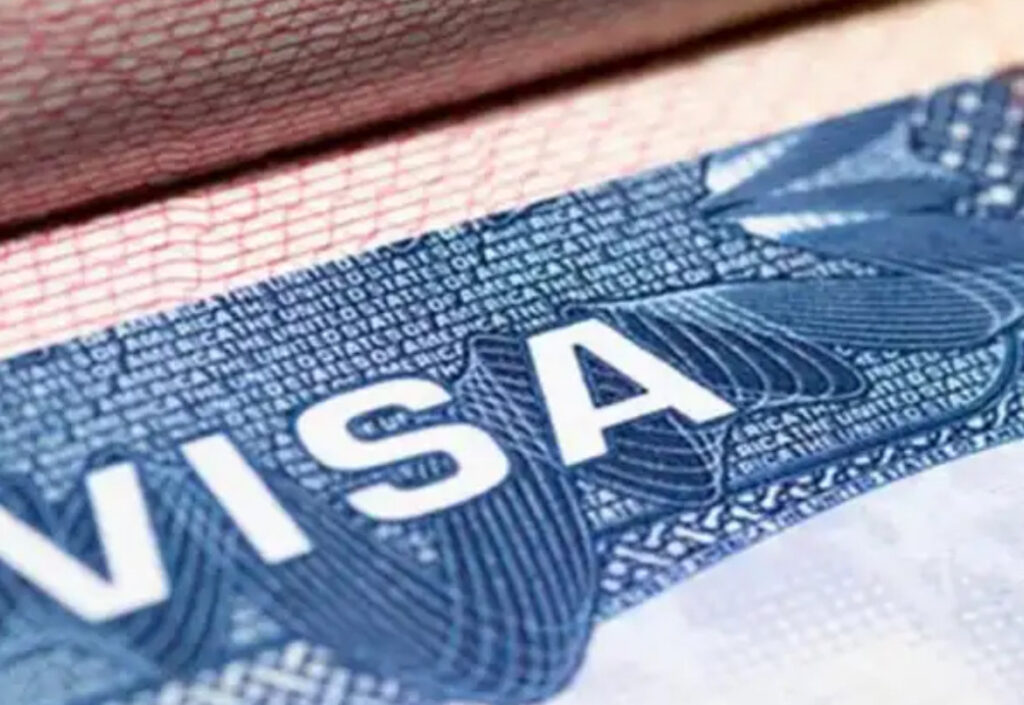
The Trump administration announced a suspension of immigrant visa processing for citizens of 75 countries. The directive issued on January 14,2026, by the U.S. State department will come into effect on January 21, 2026, and remains in force indefinitely pending a comprehensive reassessment of screening and vetting procedures.
Under the new policy, immigrant visas -those that lead to permanent residence will not be issued to nationals from the listed countries while the suspension is in place. However, the United States has clarified that tourist, business, student, and temporary work visas- non immigrant visas , will continue to be processed and issued,under heightened scrutiny. Dual nationals applying with a valid passport from a country not on the list are exempted.
List of Affected Countries
The affected list spans Latin America, the Caribbean, Africa, the Middle East, South Asia, and the Balkans, including nations such as Afghanistan, Brazil, Egypt, Iran, Nigeria, Pakistan, Russia, Somalia, and Thailand among others. Critics note that the policy could disrupt legal immigration timelines for tens of thousands of families and prospective migrants.
Domestic and International Reaction

The announcement has sparked a debate among immigrant rights groups, foreign governments, and policy experts. The suspension, which disproportionately affects citizens of Africa, Asia, and Latin America; is described by critics as a de facto ban on legal immigration from many developing and conflict-affected countries
Concerns about the suspension’s wide reach and possible effects on trade and bilateral relations have been voiced by a number of governments worldwide. While the United States faces mounting pressure to justify the policy’s humanitarian and economic impacts, the administration has signaled its commitment to a tougher immigration posture as part of broader security and economic strategies.
As the policy takes effect next week, consulates worldwide prepare to implement the directive amid heightened public and diplomatic scrutiny, marking one of the most significant shifts in U.S. immigration enforcement in recent decades.
Stay tuned for more insights with The World Times.