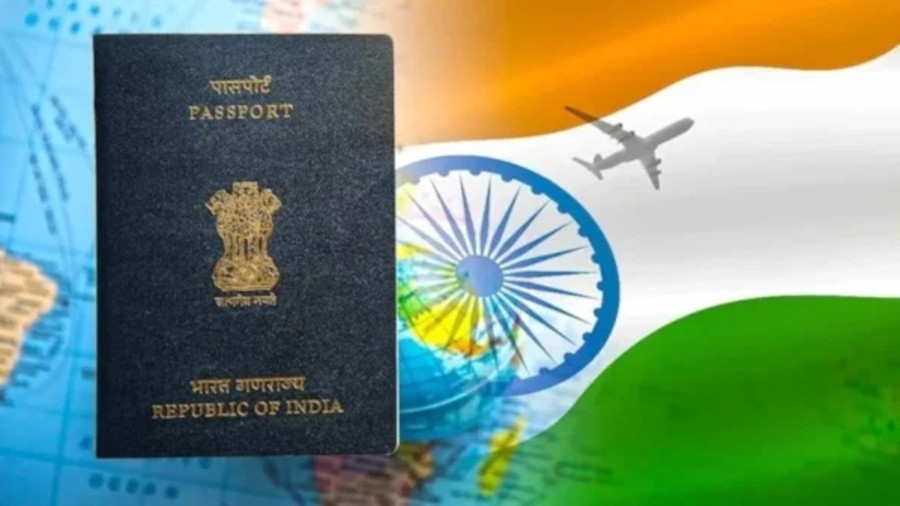
At the beginning of January 2026, a specialized sub-category of the e-Business Visa, was launched with the objective of fast-tracking large-scale industrial and production-linked projects. Known as the e-Production Investment Business Visa— e-B-4, the initiative demonstrates the strengthening of bilateral business ties with China. The move is specifically designed to support the growth of growing investment and industrial activities concerning Chinese companies and working professionals in India.
The e-B-4 Visa Application Process
A notable feature of the e-B-4 Visa is its fully online application procedure. Without encountering the need to go visit visa embassies or intermediaries, applicants can apply directly through the Indian government’s e-visa portal. Accordingly, the visa has a processing time of 45-50 days and permits workers a stay of up to 6 months in the country.
Indian companies, as a prerequisite, have to complete a mandatory sponsorship process. This is inclusive of generating a digital sponsorship letter through the Production Investment Business Registration module available on the National Single Window System (NSWS). This online sponsorship requirement ensures that the project to be undertaken is officially registered on the Central Government platform. The digitization of this process ensures transparency and is easier to track, while also allowing the authorities to assess the legitimacy of the proposed business activity before visa issuance.
The Core Strategy

The e-B-4 Visa caters to India’s long term supply-chain and industrial requirements. In order to boost the country’s Foreign Direct Investment (FDI), a bill was introduced by the Central Government in March 2025. The purpose of this bill was centred around supporting startups and fostering innovation, while also facilitating seamless cross-border trade and the movement of skilled professionals and workforce across national boundaries.
Several production related activities, such as plant design, installation, IT implementation, quality checks and commissioning are expected to be carried out with ease owing to this visa policy. Prior to this, securing such visas for working professionals was often cumbersome and resulted in delays, leading to slowing down of projects. Furthermore, digitization helps in ensuring transparency, keeps a check on illegal immigration, eases out the travel and residence for workers. The estimated processing time for the visa has also been reduced.
The short term visits to the domestic country by foreign workers, helps in growth and advancement of technical knowledge. Additionally, it enhances the skills of the local workforce through training and guidance.
Follow The World Times for more such news.