Tensions between the United States of America and Venezuela have escalated sharply this week following USA military intervention and diplomatic developments in the two countries, marking the first military conflict of 2026. On January 3, 2026, the US launched a major military operation against Venezuela, culminating in the capture of Venezuelan President Nicolás Maduro and his wife, Cilia Flores. The operation was code-named as
USA launches Operation Absolute Resolve
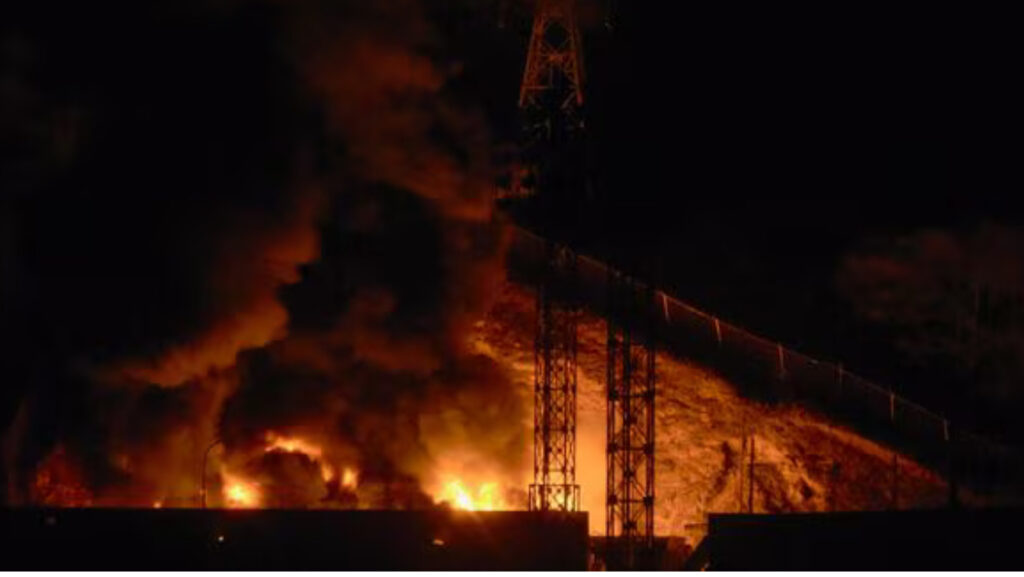
Operation Absolute Resolve involved coordinated airstrikes and a rapid special-forces raid in and around Caracas, the capital of Venezuela. Strikes targeted key military targets, after which Maduro was captured and transported to New York to face U.S. federal charges tied to narcoterrorism, drug trafficking, and weapons offenses.

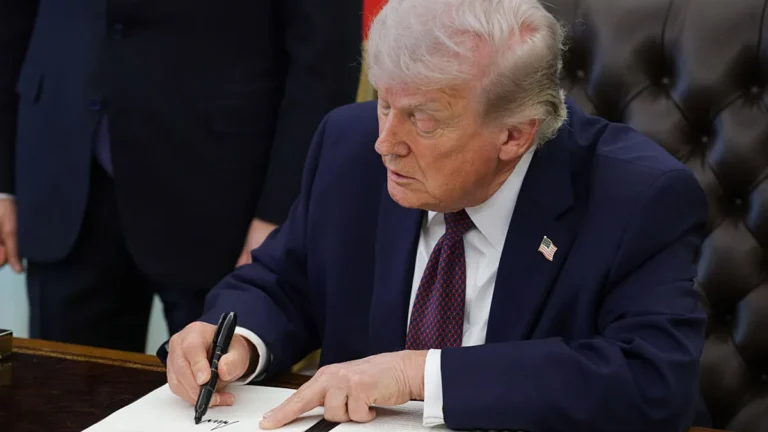
U.S. President Donald Trump framed the operation as a decisive blow against narco-cartel networks and authoritarian rule, asserting that Washington would “run Venezuela until a safe, proper, and judicious transition” can be achieved. Trump also emphasized U.S. strategic interests, including potential involvement of American oil companies in reviving Venezuela’s long-struggling petroleum industry.
The scale of the intervention represents a stark escalation of U.S. policy toward Caracas. For years, Washington had applied sanctions, deployed naval assets, and conducted targeted strikes against drug trafficking infrastructure linked to Venezuela’s regime. However, the direct assault on territory and the detention of the head of state mark an unprecedented escalation in U.S. involvement—ever since the Cold War era.
Venezuelan authorities and officials have condemned the intervention as “military aggression” and an illegal abduction of the president. Vice President Delcy Rodríguez, appointed interim president by Venezuela’s Supreme Court, rejected claims of U.S. legitimacy and called for Maduro’s immediate release, asserting that U.S. actions violate the UN Charter and Venezuelan sovereignty.
The Global Reaction
On the international level, countries such as Russia, China, and Iran denounced the military operation as a dangerous precedent and violation of international law, while some regional governments expressed concern about destabilization in Latin America.
The intervention has ignited widespread debates in Washington. Legal scholars argue that military action without congressional authorization raises questions regarding constitutional violations and international law. Some U.S. political figures hail the strikes as a historic crackdown on narco-state corruption.
Diplomatic efforts are underway as the situation continues to develop. The main objective is to prevent further instability while the global attention remains focused on Caracas and Washington for signs of de-escalation.
Follow The World Times for more such information.