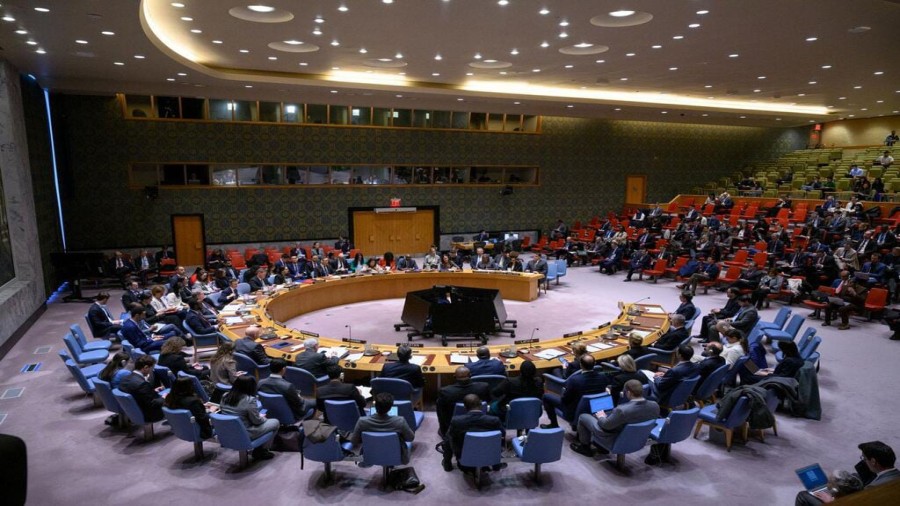
The United Nations Security Council (UNSC) convened an emergency meeting on Jan 15, 2026, to address the deadly nationwide protests in Iran and the international tensions they have sparked. The meeting, requested by the United States, focused on human rights concerns, the risk of further violence, and escalating geopolitical pressures.
What Is the UN Security Council?
The United Nations Security Council is one of the main bodies of the United Nations. It has 15 members, including five permanent members, the United States, United Kingdom, France, Russia, and China – each with veto power over substantive decisions. Its primary responsibility is maintaining international peace and security. The UNSC can adopt binding resolutions, authorize peacekeeping missions, and impose sanctions when it determines that a threat to peace exists.
Why the Emergency Meeting?
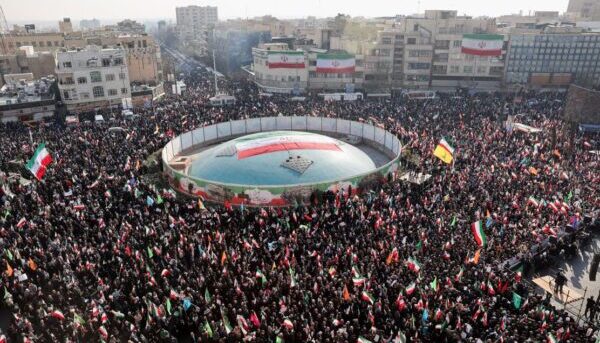
The meeting came as Iran faced some of its largest protests in years, triggered in late December 2025. Factors such as worsening economic conditions, soaring inflation, and a sharp decline in the value of the rial added to the already tense situation. What began as local demonstrations quickly spread nationwide, with many Iranians turning their grievances toward broader political change.
Iranian authorities responded with a near-total internet blackout beginning on Jan 8, limiting communication and independent reporting. Human rights groups and international media reported widespread use of force by security forces, including live ammunition against protesters in cities from Tehran to Shiraz. Verified reports estimate thousands have been killed and many more detained, though exact figures vary due to restricted access and communications shutdowns.
What does the UNSC Chamber say?
During the emergency session in New York, UNSC members heard detailed briefings. UN Assistant Secretary-General Martha Pobee described the situation in Iran as “fluid and deeply concerning,” with continued protests and a significant loss of life, though at a reportedly reduced scale compared to previous days. She highlighted the human toll and called for maximum restraint to prevent further escalation.
Pobee also noted the UN’s concern about violent repression, mass arrests, and the disruption of civil liberties, including freedom of expression and peaceful assembly. She urged Iran to ensure humane treatment of detainees and to halt any executions related to protest cases.
U.S. Position and Statements
The U.S. Ambassador to the UN, Mike Waltz, strongly criticised Tehran. He accused Iranian authorities of unleashing a violent crackdown against their own people and insisted President Donald Trump stands with the Iranian citizens. Waltz declared that “all options are on the table” to end the killing and protect protesters, though he did not outline specific military measures. Waltz’s comments underscored the gravity with which the U.S. views the situation and its implications for international peace and security.
Waltz also invited two Iranian dissidents to address the Council. Their testimonies highlighted personal experiences of repression and appeals for international action, though they sharply drew the ire of the Iranian delegation.
Iran’s Response at the UNSC
Iran’s Deputy Permanent Representative to the UN, Gholamhossein Darzi, rejected accusations of widespread rights abuses and criticised what he called U.S. interference in Iran’s internal affairs. He insisted Iran seeks no confrontation but warned that any “act of aggression” would be met with a decisive and lawful response in accordance with Article 51 of the UN Charter.
Iranian officials maintain that some unrest was fuelled by “organized terrorists and rioters”. They deny planning executions tied to protest activities. They emphasise that Iran’s actions are aiming to maintain public order.
International Concerns and Broader Context
Beyond the Security Council chamber, the international community has expressed deep concern. Human rights organisations report that children and civilians are among those killed, and thousands have been detained amid reports of aggressive crowd control measures. Efforts by groups such as the Free Narges Coalition and others stress the urgent need to protect fundamental freedoms and human rights inside Iran.
The emergency UNSC session reflects widening global unease over Iran’s internal unrest and the potential regional implications. While no formal UNSC resolution was adopted during the meeting, member states used the platform to register positions, urge restraint, and call for transparency and dialogue.
The people’s uprising underscores how domestic unrest in one nation can prompt urgent global diplomatic engagement, especially when it involves significant loss of life and challenges the principles of human rights and peace. The UNSC’s role, though complex, remains central to navigating such high-stakes international crises.
Stay tuned to The World Times for related articles.