The United States has announced its withdrawal from several international organizations, a move that signals a shift in how Washington engages with multilateral institutions and global governance.
A Shift in Global Engagement
President Donald Trump has pulled the United States out of more than 60 international organizations, including several United Nations bodies and the India–France-led International Solar Alliance, arguing that the institutions are “redundant” and run counter to American interests.
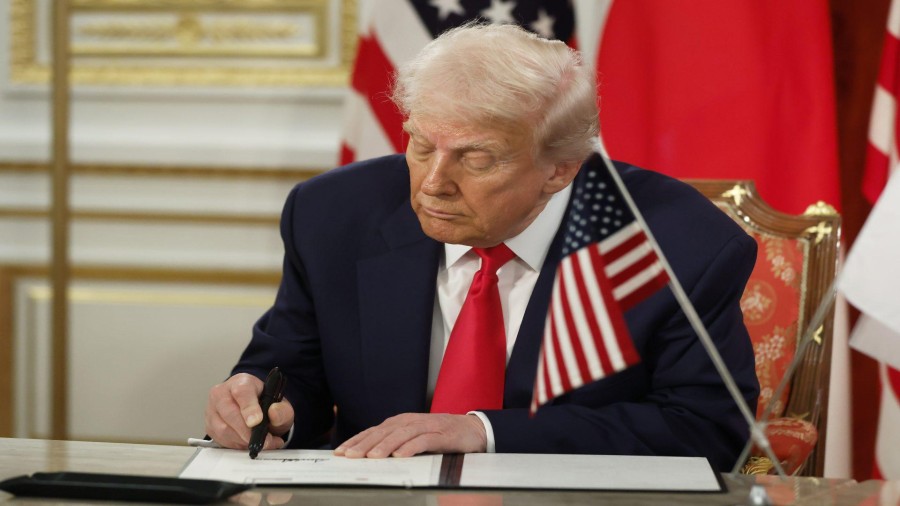
The White House said on Wednesday that Trump signed a proclamation withdrawing the US from 35 non-UN organizations and 31 entities linked to the United Nations that it said “no longer serve American interests.” Administration officials said the move targets groups seen as advancing agendas that conflict with US sovereignty, economic priorities, and national policy objectives.
Which Organizations Are Affected
- Department of Economic and Social Affairs
- UN Economic and Social Council (ECOSOC) – Economic Commission for Africa
- Economic Commission for Latin America and the Caribbean – ECOSOC
- Economic and Social Commission for Asia and the Pacific – ECOSOC
- Economic and Social Commission for Western Asia – ECOSOC
- International Law Commission
- International Residual Mechanism for Criminal Tribunals
- International Trade Centre
- Office of the Special Adviser on Africa
- Office of the Special Representative of the Secretary-General for Children in Armed Conflict
- Office of the Special Representative of the Secretary-General on Sexual Violence in Conflict
- Office of the Special Representative of the Secretary-General on Violence Against Children
- Peacebuilding Commission
- Peacebuilding Fund
- Permanent Forum on People of African Descent
- UN Alliance of Civilizations
- UN Collaborative Programme on Reducing Emissions from Deforestation and Forest Degradation in Developing Countries
- UN Conference on Trade and Development
- UN Democracy Fund
- UN Energy
- UN Entity for Gender Equality and the Empowerment of Women
- UN Framework Convention on Climate Change (UNFCCC)
- UN Human Settlements Programme
- UN Institute for Training and Research
- UN Oceans
- UN Population Fund
- UN Register of Conventional Arms
- UN System Chief Executives Board for Coordination
- UN System Staff College
- UN Water
- UN University.
Reasons Behind the Decision
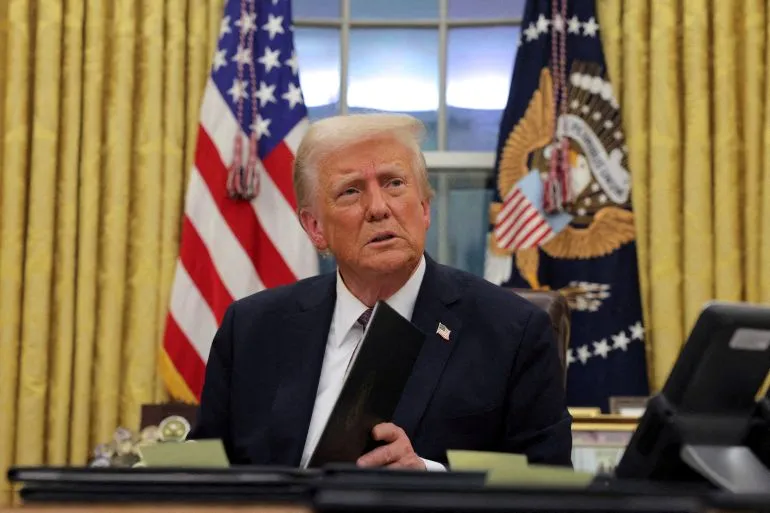
The administration has defended the withdrawals by arguing that many international organizations place undue constraints on US independence and seek to shape domestic policy from outside the country.
Officials have framed the move as an issue of fiscal responsibility, describing United States contributions to such bodies as a “waste of taxpayer dollars” and arguing that the money would be better directed toward domestic priorities. They have characterized several of the organizations as redundant, poorly managed, or ineffective.
The administration has also cited ideological differences, saying many of the targeted institutions focus on climate change, labor rights, and migration—areas it has criticized as promoting “woke” or “globalist” agendas that conflict with American values.
From an economic standpoint, the US is withdrawing from bodies such as the UN Framework Convention on Climate Change and the Intergovernmental Panel on Climate Change, contending that international climate commitments disadvantage American fossil fuel interests and hinder economic growth.
Officials have further accused some organizations of mismanagement and hostility, claiming they have been “captured by actors” advancing policies that run counter to US prosperity and national security.
Implications for Global Leadership
The US strategy prioritizes national interest over multilateral engagement and adopts a more transactional approach to diplomacy, and analysts widely expect it to significantly reshape Washington’s global influence.
The withdrawals are also seen as weakening multilateral institutions. Reduced US funding and leadership in bodies such as the World Health Organization and other UN agencies could diminish their effectiveness and legitimacy, making it more difficult to build consensus on shared challenges. As a result, global responses to issues such as climate change and pandemic preparedness may become increasingly fragmented.
At the same time, the US is expected to rely more heavily on unilateral actions and selective bilateral agreements, using tools such as tariffs, security partnerships, and military power instead of universally agreed-upon rules. This approach could shift global cooperation away from inclusive, rules-based systems toward more conditional and hierarchical arrangements.
By exiting key institutions, Washington also risks losing influence over the development of international norms and standards. Observers note that withdrawal from frameworks such as the UN climate regime limits the US’s ability to shape decisions on carbon markets and emissions rules that directly affect American companies operating overseas.
For more such informative articles, stay tuned at The World Times.