The UN chief has urged Israel to reverse its ban on NGOs operating in Gaza, warning that restrictions on aid groups could worsen an already dire humanitarian crisis.
Global Appeal from the UN
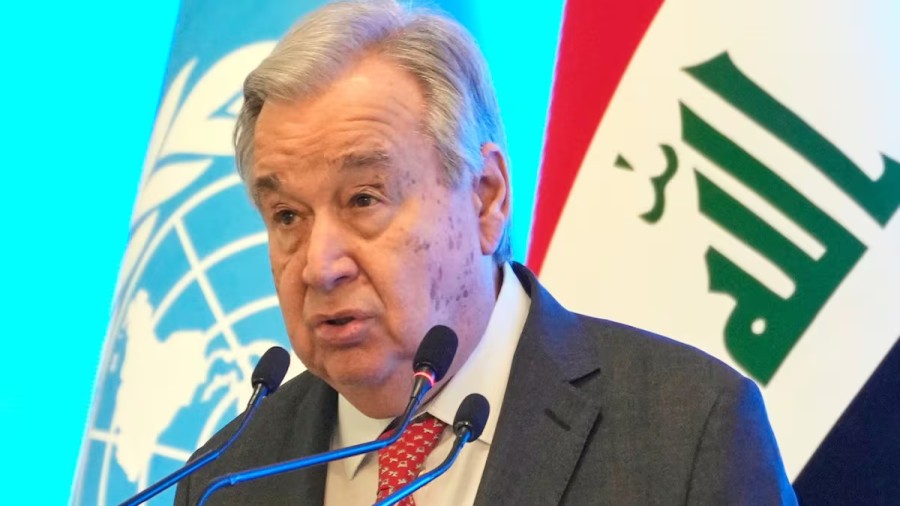
United Nations Secretary-General Antonio Guterres has called on Israel to reverse a pending ban on 37 nongovernmental organizations (NGOs) working in Gaza and the occupied West Bank.
In a statement on Friday, Guterres called the work of the groups ‘indispensable to life-saving humanitarian work,’ according to spokesperson Stephane Dujarric. He added that the ‘suspension risks undermining the fragile progress made during the ceasefire.’
Concerns Over Humanitarian Access
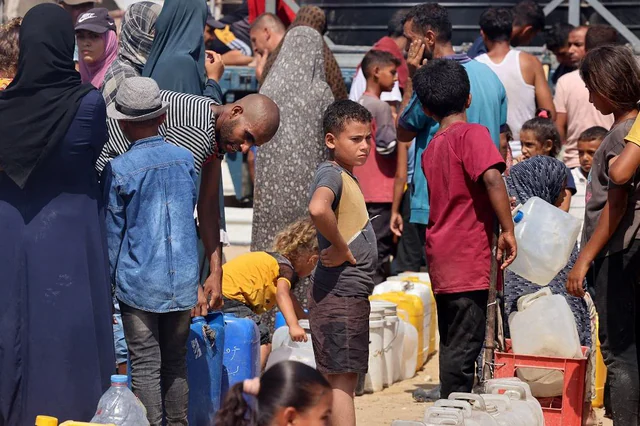
Aid agencies and the United Nations have warned that the ban could “catastrophically worsen” Gaza’s humanitarian crisis, noting that the affected organizations deliver about 15% of all aid in the territory and run essential health, food and shelter programmes.
The NGOs say the requirement to hand over personal details of Palestinian staff to a party involved in the conflict breaches humanitarian principles of neutrality and places employees at serious risk. The move has drawn international criticism, with UN Secretary-General António Guterres and several European governments urging Israel to reverse what they describe as an unprecedented curb on life-saving humanitarian assistance.
Israel’s Position on Security
In January 2026, the Israeli government revoked the operating licenses of 37 international non-governmental organizations, including major humanitarian groups such as Doctors Without Borders (MSF), Oxfam and Save the Children. The Ministry of Diaspora Affairs said the decision followed the organization’s refusal to submit detailed and verifiable information on its Palestinian and foreign staff.
Israeli officials argued the vetting requirements were necessary to prevent “terrorist operatives” from infiltrating humanitarian operations and to ensure aid was not diverted to armed groups such as Hamas. Several NGOs rejected the demands, citing data protection laws and warning that disclosing staff identities could expose their employees to targeting by the Israeli military.
Impact on Aid Operations
Israel has withdrawn the operating licenses of 37 international non-governmental organizations, including Doctors Without Borders and the Norwegian Refugee Council, and introduced new rules requiring detailed disclosures about staff. Human rights experts say the measures are obstructing humanitarian work.
Aid groups report that the restrictions are hampering their ability to bring supplies into Gaza and deploy international staff, disrupting operations on the ground. The curbs have also had knock-on effects on communications and fundraising, as organizations grapple with limited access, logistical barriers and heightened uncertainty.
What Happens Next
As humanitarian needs in Gaza continue to grow, the UN is pressing for renewed access for aid organizations. Officials stress that protecting civilians requires cooperation between governments and relief agencies. The coming days may determine whether diplomatic engagement can ease restrictions and restore assistance.
For more such informative articles, stay tuned to The World Times.