According to reports, Trump’s decision comes amid renewed protests in Iran and allegations of a severe crackdown by Iranian authorities. By announcing the tariff, Trump has framed the policy as a tool to economically isolate Iran while signaling support for protesters. This strategy fits neatly into his long-standing belief that tariffs are powerful instruments of political leverage.
Why Trump Is Turning to Trade Pressure Again
During his earlier presidency, Trump frequently relied on trade penalties to influence global behavior, from renegotiating trade deals to pressuring strategic rivals. The Iran-linked tariff follows the same pattern, extending economic pressure not just on the targeted country but on the broader international system. However, what stands out in this case is the lack of clarity around enforcement. There has been no official notification through formal trade channels, raising questions about how the tariff would be applied and whether exemptions or negotiations would follow.
Critics argue that such unilateral measures risk destabilizing global trade norms. Tariffs of this scale can disrupt supply chains, raise prices for consumers, and strain diplomatic relationships. While the political intent may be clear, the economic ripple effects are likely to be complex and far-reaching.
What This Means for India and Global Trade
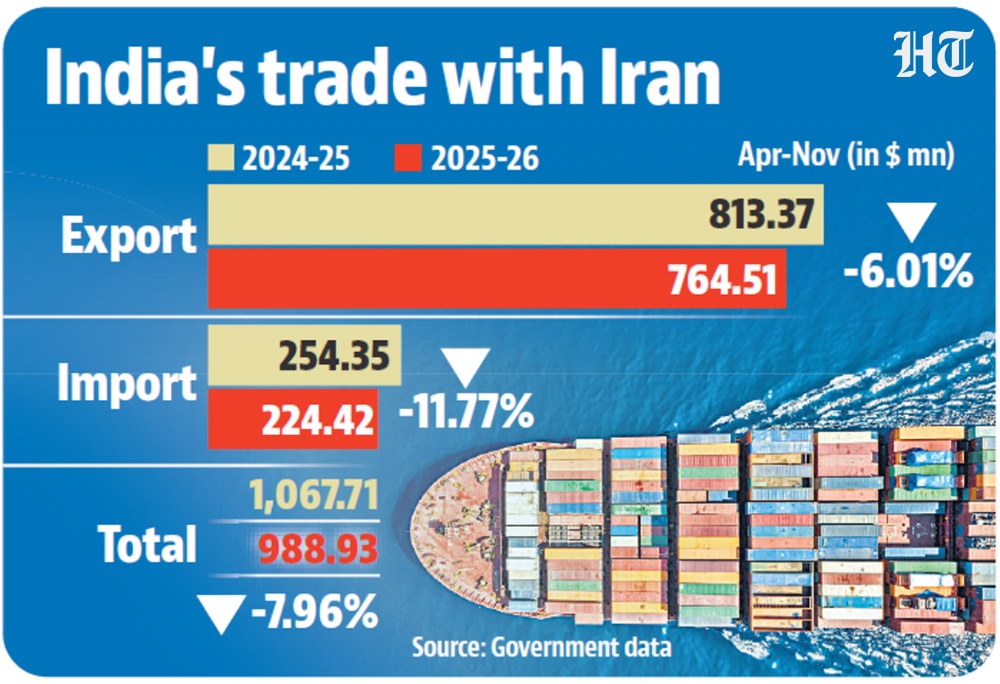
For India, the announcement presents a particularly sensitive challenge. India has historically maintained economic and strategic ties with Iran, especially in areas such as energy imports and infrastructure projects like the Chabahar Port, which is critical for India’s access to Central Asia and Afghanistan. Although India significantly reduced oil imports from Iran after earlier U.S. sanctions, trade links have not disappeared entirely.
The Times of India reports that if India continues trading with Iran, Indian exports to the U.S. could attract the additional 25% tariff, on top of existing trade pressures. This could significantly affect sectors such as pharmaceuticals, textiles, and agricultural exports. One area of concern is basmati rice, a key export to Iran, where disruptions could impact Indian farmers and exporters alike.
The tariff threat also complicates India’s diplomatic balancing act. On one side is its strategic autonomy and regional interests involving Iran; on the other is its deepening economic and political partnership with the United States. Navigating this situation will require careful calculation, as abrupt shifts could have long-term consequences for trade and foreign policy. Beyond India, the announcement underscores a broader shift in global trade dynamics. Commerce is increasingly being used as a geopolitical tool, blurring the line between economic policy and diplomacy. As countries reassess their trade relationships, Trump’s tariff warning serves as a reminder that global trade is no longer driven solely by markets, but by politics, power, and strategic alignment.
Stay tuned for more business insights with The World Times.