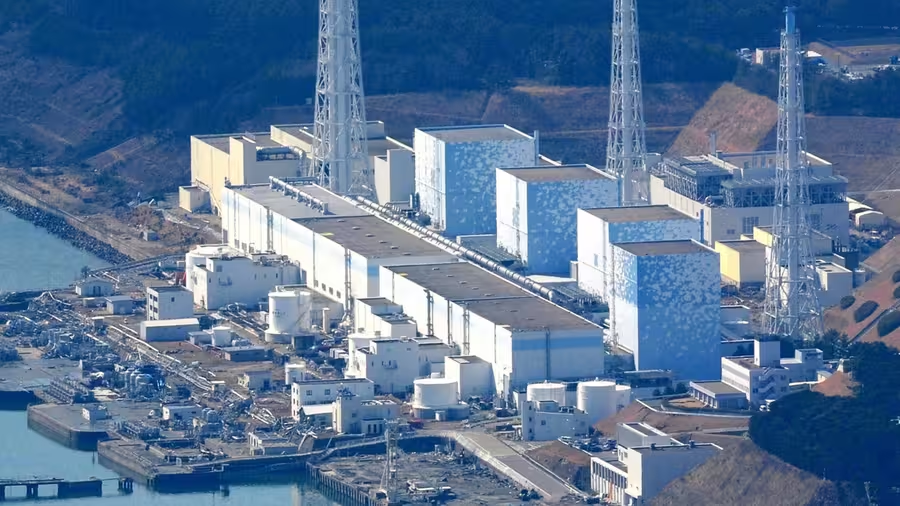
In March 2011, a magnitude 9.0 earthquake off Japan’s Tōhoku coast triggered a devastating tsunami that overwhelmed the Fukushima Daiichi Nuclear Power Station, leading to the worst nuclear accident since Chernobyl. The disaster displaced more than 150,000 people and reignited global debates on nuclear safety. Fifteen years later, as decommissioning progresses and some evacuated areas reopen, this report provides a detailed risk analysis drawing on the latest data from the International Atomic Energy Agency (IAEA), Tokyo Electric Power Company (TEPCO), UNSCEAR, and peer-reviewed studies. It examines direct and indirect human health risks, environmental impacts, worker safety, treated water discharges, and resettlement challenges, offering broader lessons for nuclear energy worldwide.
2011 Disaster: Sequence and Immediate Consequence
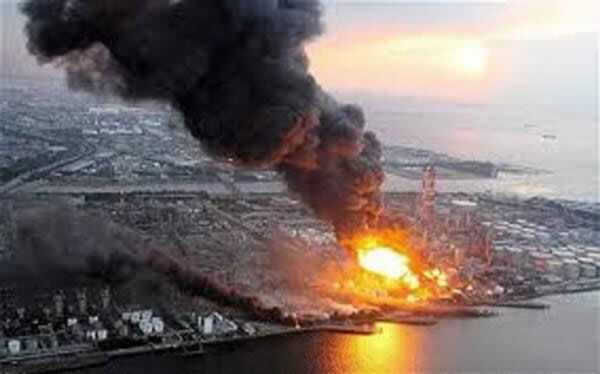
The Fukushima Daiichi plant, operated by TEPCO, comprised six boiling water reactors. When the earthquake struck, Units 1–3 shut down automatically as control rods were inserted. However, the subsequent tsunami—reaching heights of up to 14 metres—flooded emergency diesel generators and electrical switchgear, disabling cooling systems. Without active cooling, fuel in Units 1–3 overheated, resulting in core meltdowns.
Hydrogen generated from fuel damage accumulated and caused explosions in the reactor buildings of Units 1, 3, and 4. These explosions released radionuclides, including caesium-137 and iodine-131, into the environment.
Radioactive fallout formed a plume extending northwest, contaminating areas up to 30–50 kilometres from the plant. The Japanese government declared a nuclear emergency and ordered evacuations within a 20-kilometre radius, later expanding precautionary zones. By mid-2011, approximately 160,000 people had been displaced, many permanently. The accident was rated Level 7—the highest—on the International Nuclear Event Scale due to the scale of radioactive releases, although no radiation-related fatalities occurred.
Human Health Impacts: Direct Radiation Vs Indirect Effects
Direct radiation exposure has been extensively assessed by UNSCEAR. Reviews through 2019, reaffirmed in subsequent evaluations, conclude that no discernible increase in cancer rates or other deterministic health effects, such as acute radiation syndrome, can be attributed to the accident. The rise in detected thyroid cancer cases among children is largely explained by intensive screening programs rather than radiation causation, with incidence rates consistent with enhanced diagnostic sensitivity.
Indirect health impacts dominate the overall risk profile. The evacuation process was disruptive and, in some cases, poorly managed, leading to psychological distress, depression, social isolation, and lifestyle-related illnesses. Although mental health services and community support initiatives have reduced some of these impacts, stigma toward Fukushima evacuees continues to compound social and emotional challenges.
Resettlement and Community Recovery: Slow Returns and Social Impacts
Radiation levels in reopened areas of Fukushima Prefecture are now comparable to global background levels, typically ranging from 0.1 to 0.5 microsieverts per hour (µSv/h). Despite this, return rates remain low. Many former residents—particularly younger families—have rebuilt their lives elsewhere. “Difficult-to-return” zones persist where contamination remains higher and land use restrictions continue.
Economic revitalisation efforts focus on agricultural recovery, tourism promotion, and renewable energy development. However, psychological barriers, lingering stigma, and gaps in infrastructure slow community recovery. Government compensation and support programs remain in place, yet full social and demographic restoration is expected to take generations.
Lessons Learned and Global Implications
The Fukushima accident exposed vulnerabilities related to tsunami risk assessment, backup power redundancy, and emergency preparedness. In response, Japan and other nuclear-operating nations strengthened regulatory frameworks, reinforced “defence-in-depth” principles, and expanded severe accident management requirements.
Crucially, the disaster demonstrated that indirect consequences—such as evacuation-related stress, economic disruption, and social dislocation—can outweigh direct radiation risks. These findings continue to shape global debates over nuclear power’s role in climate mitigation, energy security, and public safety.
Balancing Risks in a Post-Fukushima World
As of 2026, authoritative assessments indicate that direct radiation risks from the Fukushima accident are negligible, while indirect human and societal impacts persist. Decommissioning efforts continue steadily, treated water discharges comply with IAEA-reviewed international safety standards, and local ecosystems show significant recovery. Nevertheless, long-term vigilance remains essential through transparent monitoring, rigorous safety protocols, and sustained support for affected communities.
Fukushima’s legacy is fundamentally cautionary. Nuclear power demands unwavering preparedness, robust regulation, and public trust. As Japan and the wider world navigate complex energy transitions, the lessons of Fukushima remain critical to minimising future risks and protecting both people and the environment.
For more such updates, follow us on The World Times