
Why the Tata ROHM Chip Deal Is Like a Big Moment
Some announcements don’t sound very dramatic, but they still change how things feel. The recent partnership between Tata Electronics and Japan’s ROHM is one of those moments. On paper, it looks like a normal semiconductor deal. But in reality, it feels like a quiet signal that India’s tech story is slowly being taken more seriously.
ROHM is known for making chips that most people never really notice, yet they are everywhere. These power semiconductors sit inside electric vehicles, charging systems, factories, and energy equipment. They are not flashy, but they keep things running. By working with ROHM, Tata Electronics is not just getting access to technology, it is also learning how high-quality chip manufacturing actually happens.
Moving Away From Only Importing Chips
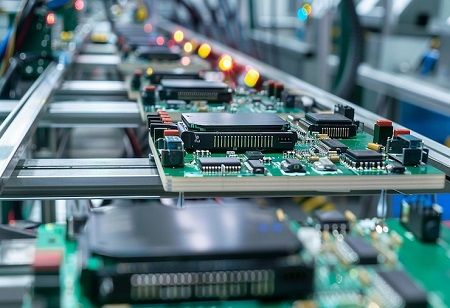
For a long time, India has depended heavily on imported semiconductors. When global chip shortages happened, many industries felt stuck and costs went up. This partnership shows a small change in thinking. Instead of only buying chips from outside, there is an effort to slowly build capability at home. It also reflects growing global confidence that Indian manufacturing can meet reliability, scale, and quality expectations demanded by the semiconductor industry.
For Tata Electronics, this deal is also about ambition. The company does not want to stay limited to basic manufacturing work. It wants to move closer to global standards, even if that takes time and patience.