A Taliban-appointed diplomat is set to take charge of Afghanistan’s embassy in New Delhi, marking a notable shift in diplomatic representation without formal recognition of the Taliban government.
Historic Shift in Diplomatic Representation
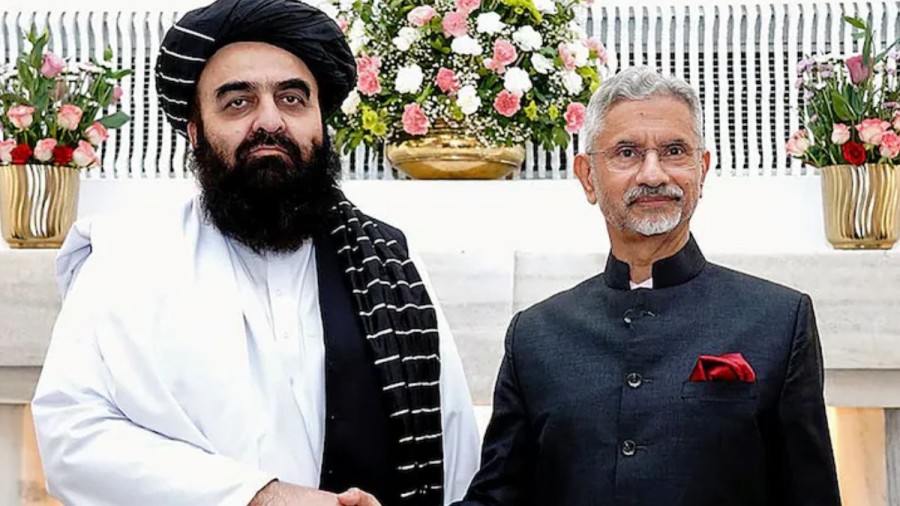
In January 2026, Mufti Noor Ahmad Noor arrived in New Delhi to assume charge as Chargé d’Affaires at the Afghanistan Embassy, marking a significant step in diplomatic engagement between India and the Taliban led administration. The appointment stems from an understanding reached during the October 2025 visit of Taliban Acting Foreign Minister Amir Khan Muttaqi, who held talks with External Affairs Minister S. Jaishankar in New Delhi.
Mufti Noor becomes the first diplomat formally appointed by the Taliban authorities to head the Afghan mission in India since their return to power in August 2021. A seasoned official, he previously served as Director General of the First Political Department at Afghanistan’s Ministry of Foreign Affairs.
India, which has stopped short of formally recognizing the Taliban government, has nonetheless gradually expanded its engagement with Kabul. This has included sustained humanitarian assistance and the upgrading of its technical mission in Kabul to a full-fledged embassy in late 2025, signaling a pragmatic approach to diplomatic ties.
India’s Careful Diplomatic Balancing
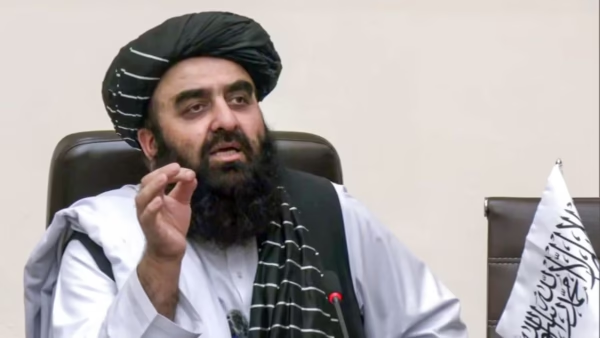
India’s decision to accept a Taliban appointed diplomat signals a pragmatic recalibration of its Afghanistan policy, even as New Delhi continues to withhold formal recognition of the Taliban government. Officials point to several strategic considerations driving this calibrated approach.
Humanitarian and health cooperation remains central, with India emerging as a key supplier of pharmaceuticals and medical assistance to Afghanistan, particularly as Kabul’s ties with Pakistan have strained. Trade and connectivity are also priorities, with both sides seeking to revive the India-Afghanistan Air Freight Corridor and increase the use of the India-backed Chabahar Port in Iran to facilitate commerce.
Regional security considerations further underpin the engagement. By maintaining a functional diplomatic channel in New Delhi, India is seeking assurances that Afghan soil will not be used for activities hostile to Indian interests, an assurance Afghan officials have reiterated during recent interactions.
What This Means for India–Afghan Ties
India has adopted a policy of “engagement without recognition” toward the Taliban, maintaining working diplomatic channels and extending humanitarian assistance while stopping short of formally recognizing the regime. Officials say this approach enables continued dialogue, safeguards Indian interests and investments in Afghanistan, and ensures the delivery of essential consular services to Afghan nationals in India.
The shift follows the closure of the Embassy of the Islamic Republic of Afghanistan in New Delhi in December 2023, after the mission representing the former government shut down amid funding constraints and the refusal to renew visas for its diplomats.
By accepting a Taliban-appointed representative, India has also brought its stance in line with several regional and global powers—including China, Russia, Pakistan, and several Gulf states—that have engaged with Taliban diplomats without extending formal recognition.
The policy gained further momentum after the October 2025 visit of Taliban acting Foreign Minister Amir Khan Muttaqi, after which New Delhi announced plans to upgrade its technical mission in Kabul to a full-fledged embassy, signaling a deeper, though carefully calibrated, engagement with Afghanistan.
What Comes Next
The development reflects India’s cautious engagement with Kabul, focused on stability and humanitarian concerns. While the move stops short of official recognition, it signals a pragmatic approach to regional realities. Its broader impact will depend on how diplomacy unfolds in the months ahead.
For more such informative articles, stay tuned to The World Times.