USA-IRAN Rising Tensions
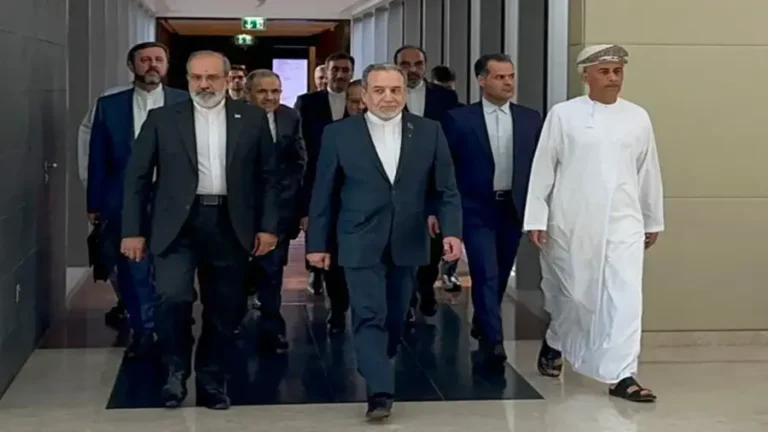
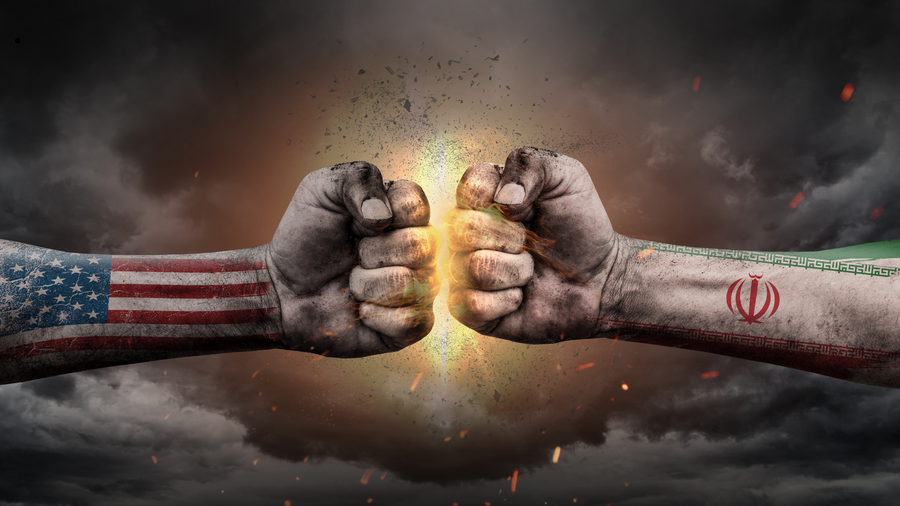
In a dramatic turn that could reshape the Middle East’s strategic landscape, Iran is reportedly in advanced talks with China and Russia to bolster its military arsenal. The increasing tensions with United States are at its peak in all the years. The moves come as Washington builds up military forces in the region and nuclear negotiations with Tehran remain deadlocked.
China Missile Deals Signal Strategic Shift
Iran’s military build-up gained fresh momentum following reports that Tehran is nearing a deal with China to acquire CM-302 supersonic anti-ship cruise missiles. This is long-range, high-speed weapons capable of challenging advanced naval defenses. The proposed agreement, reportedly under discussion for more than two years, has accelerated in recent months amid escalating regional tensions.
Defense analysts note that the CM-302’s speed and low-altitude flight capability could significantly enhance Iran’s ability to deter maritime threats. Even limited deployment could alter the strategic balance in the Persian Gulf, a region central to global energy security.
Russian Air-Defense Support
Russia has secretly agreed to supply Iran with advanced portable air-defense systems, including 500 Verba MANPADS launch units and 2,500 associated missiles. These shoulder-fired missiles counter aircraft and drones at low altitudes and could complicate any aerial military operation. While such systems would not match the technological superiority of U.S. air power, but security experts suggest they could increase operational risks in the early stages of any conflict scenario.
Strategic Waterway at the Center
Military planners see Iran’s growing capabilities significant for the Strait of Hormuz, which is one of the world’s most critical maritime chokepoints. Majorly all global oil shipments passes through this narrow corridor only. Any escalation there would raise international concern and conflicts. Analysts suggest, enhanced anti-ship capabilities would give Tehran greater leverage in regional power dynamics, particularly during crisis.
In response, the United States has increased military readiness across the broader of Middle East. It has repositioned its advanced aircraft and strengthened surveillance operations. Officials say, this move is meant to deter escalation while maintaining preparedness for multiple contingencies.
Diplomatic efforts to revive nuclear negotiations continue intermittently. However, progress remains limited, increasing uncertainty about the future of the confrontation.
Stay tuned with The World Times for Latest Updates!