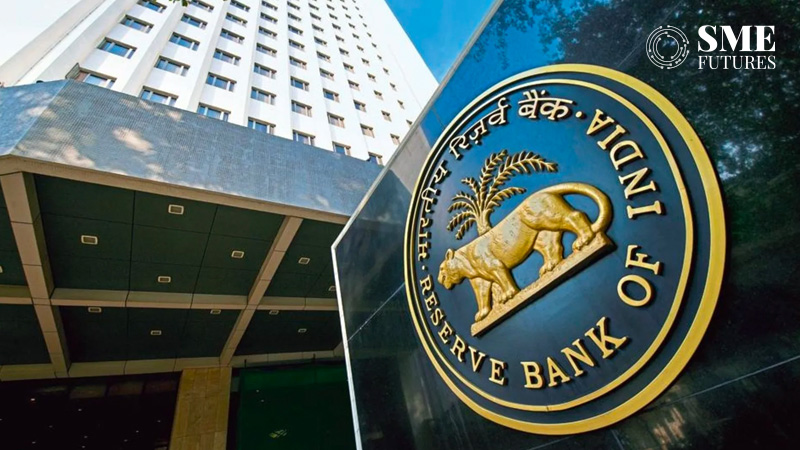
The repo rate was maintained by the Reserve Bank of India at 5.25 percent, as reported in the RBI policy updates. This implies that borrowing rates for banks are not affected. It indicates a moderate yet assertive stance by the central bank. The rate at which the RBI lends to commercial banks is called the repo rate, and it has a significant impact on the interest rates of loans such as housing credit, auto credit, and business credit.
The move suggests stable inflation, improved domestic demand, and strong economic activity strength. RBI Governor Sanjay Malhotra emphasized that the Indian economy is in a relatively strong position despite global tensions and unpredictable commodity markets, as it has managed to control inflation while maintaining steady growth.
Economists observe that when a central bank pauses rate changes, it is often a sign that it wants to monitor the impact of its previous policies before taking further action. This prudent monetary approach is supported by the recent moderation in inflation in India, largely due to improved food supply conditions and stable fiscal management.
Growth Inflation Prospects And Risks

The RBI has estimated that GDP will grow by approximately 7.4 percent in FY26, making India one of the fastest-growing major economies. Analysts from institutions such as the International Monetary Fund and the World Bank often highlight India’s strong domestic consumption, digital expansion, and infrastructure investment as key growth drivers.
Retail inflation is projected at around 2.1 percent during the same fiscal year, indicating relative price stability compared to many other economies worldwide. However, the RBI has slightly increased its inflation projections for early FY27, forecasting approximately 4 percent in the first quarter and around 4.2 percent in the second quarter.
These revisions are mainly due to rising precious metal prices, global supply uncertainties, and potential imported inflation pressures. External risks being monitored by policymakers include energy prices, geopolitical tensions, and currency fluctuations. Nevertheless, India’s diversified economy, expanding manufacturing sector, and strong services sector provide a buffer that helps the economy remain resilient during turbulent global conditions.
Effect On Borrowers, Investors and the Economy
For borrowers, a stable repo rate typically means no immediate increase in loan EMIs. This supports consumer spending, housing demand, and small business activity. Policy stability signals to investors that the economy is being managed predictably, which encourages equity market participation and long-term investment planning.
Stable interest rates also allow companies to plan capital expenditure more confidently, especially in infrastructure, manufacturing, and technology sectors where borrowing costs play a crucial role. According to financial analysts and RBI publications, policy continuity can strengthen investor confidence while keeping inflation within target levels.
Overall, the decision reflects a balance between promoting growth and controlling prices. If inflation remains moderate and global risks do not intensify sharply, gradual policy adjustments may follow. For now, the Indian economy appears to be on a path of stable growth, supported by domestic demand, structural reforms, and prudent monetary management.
Follow The World Times for more such news.