The Mexican Senate approved a sweeping increase in tariffs on imports from India and other Asian nations on Wednesday, with rates reaching up to 50 per cent on certain goods. The measure, which passed 76-5 with 35 abstentions, will take effect in 2026 and targets over 1,400 product lines.
The decree establishes tariffs on imports from countries without formal trade agreements with Mexico, including India, China, and several other Asian nations. Automobiles will face the maximum 50 per cent tariff, while most other products such as auto parts, textiles, steel, plastics, footwear, and household appliances will see duties rise to 35 per cent.
Impact on India-Mexico Trade
India exported 8.9 billion dollars worth of goods to Mexico in 2024, while imports stood at 2.8 billion dollars, giving India a significant trade surplus. Indian exports to Mexico have more than doubled over the past four years, driven primarily by automobiles, auto components, engineering goods, machinery, and chemicals.
Mexico has approved steep new tariffs of up to 50% on Indian car imports, hitting nearly 1 billion dollars worth of shipments. Major Indian exporters affected include Volkswagen, Hyundai, Nissan, and Maruti Suzuki, who have used Mexico as a gateway to North American markets. The tariffs will also impact Indian textile, leather goods, and steel exports. Indian companies like TCS, HCL, Lupin, and Bajaj have built substantial operations in Mexico, with total Indian investment standing at around 4 billion dollars.
Mexican Government’s Rationale

The Mexican government has positioned the tariffs as a measure to protect domestic industries from cheap imports, particularly from China. The government estimated earlier this year that the proposed tariffs would generate additional revenue of 70 billion pesos (3.8 billion dollars) per year, helping to narrow the country’s fiscal deficit.
Chinese-made cars now account for 20 percent of Mexico’s auto market, up from nearly zero six years ago. Local manufacturers have pressed for protectionist measures to compete with lower-priced imports.
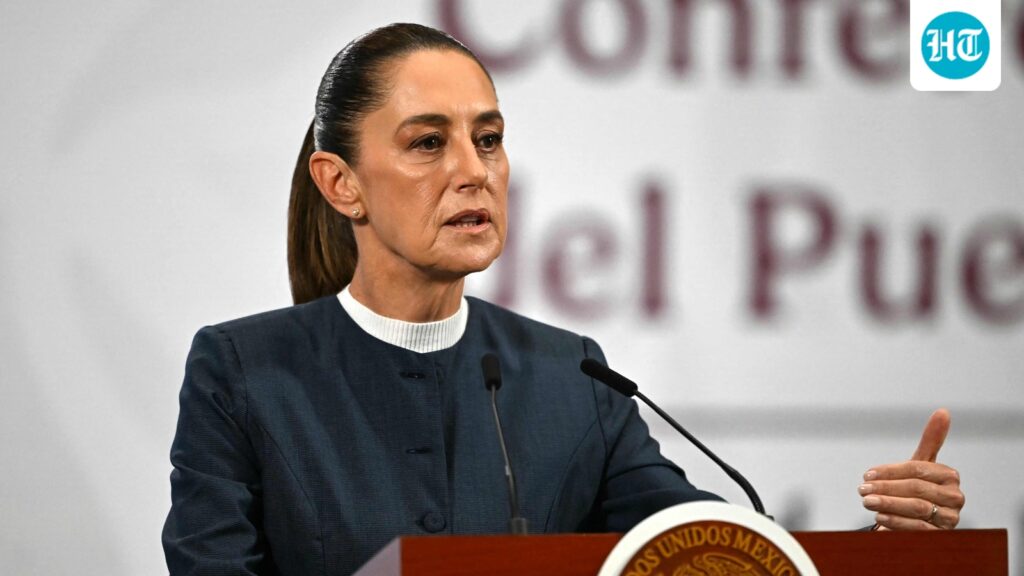
Analysts suggest the move is also designed to reassure the United States ahead of the next review of the United States-Mexico-Canada Agreement (USMCA). President Claudia Sheinbaum’s government has denied any direct connection to US pressure, though the timing has raised questions about coordination with Washington’s broader trade strategy. By imposing steep duties on Chinese and Asian goods, Mexico hopes to ease US concerns about its role as a back door for Chinese products entering North America.
Indian Response to Tariffs
The Engineering Export Promotion Council (EEPC) India has called for urgent negotiations with Mexico to establish a free trade agreement that would exempt Indian goods from the new tariffs. “The Indian government has to initiate trade negotiations and sign a trade deal with Mexico as soon as possible,” said EEPC chairman Pankaj Chadha.
Bilateral trade between India and Mexico reached a record 11.7 billion dollars in 2024. The new tariffs come as Indian exporters are already dealing with 50 percent tariffs imposed by the United States under the Trump administration. Some are expected to front-load shipments before the tariffs kick in. Others may explore alternative markets in Latin America—Brazil, Colombia, Chile—where trade barriers are lower.
For all, Mexico’s tariffs are a harsh reminder that in today’s fractured global economy, no market is truly safe.
Follow The World Times for more on Geopolitics.