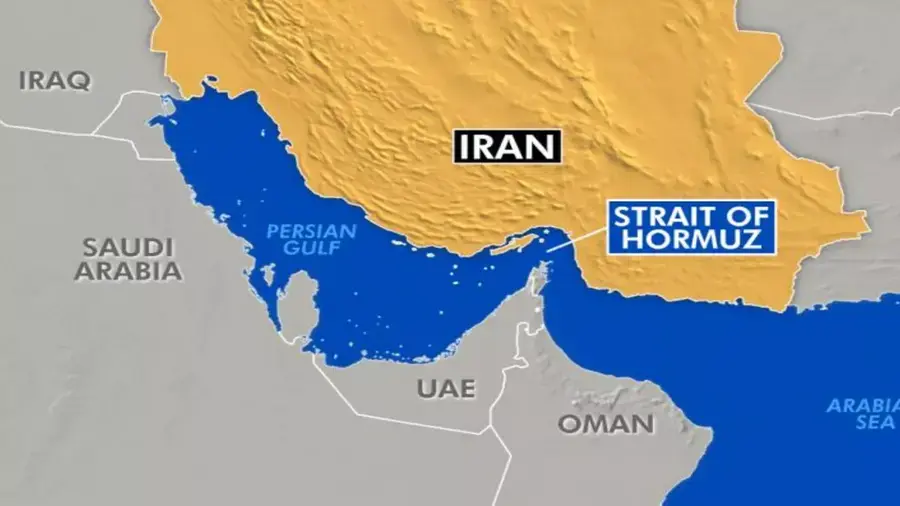
The Strait of Hormuz has emerged as a focal point for global financial markets amid escalating US-Iran tensions following recent air strikes. This narrow waterway, which connects the Persian Gulf to the Arabian Sea, serves as the world’s most critical choke point for energy supplies. Markets are closely monitoring it because it delineates the thin line between manageable oil price volatility and a full-blown oil supply crisis.
Significance of the Strait of Hormuz
The Strait of Hormuz handles approximately 20% of global petroleum liquids, and a similar share of liquified natural gas (LNG) flows. In 2025, tankers transported around 16-17 million barrels per day of crude and condensate through this route.
Any disruption here would severely impact exports from major products like Saudi Arabia, Iraq, the UAE, Kuwait, and Qatar. While spare production capacity exists in the Middle East, it becomes largely inaccessible if the strait is blocked, rendering supply buffers ineffective.
Recent developments have heightened concerns. Following US and Israeli strikes on Iran, reports indicate Iranian forces warned vessels that no ships would be allowed to pass, leading some tankers to avoid the route or suspend shipments. Although a full, prolonged closure remains uncertain and low-probability, even partial or temporary disruptions have prompted immediate market reactions.
Geopolitical Conflicts and Market Tensions
The escalation has pushed oil markets to incorporate higher risk premiums. Brent crude prices have risen, reflecting pre-existing geopolitical conflicts amplified by the strikes. Market analysts note asymmetrical risks, such as limited downside for prices but sharp upside potential if conflict spreads or shipping is impeded.
HSBC Global Investment Research maintains its Brent forecast at $65 per barrel for 2026 but admits to “no conviction” on Iran’s trajectory. The bank emphasizes that as long as the strait remains open, markets deal with volatility, such as risk pricing in risk damage, naval actions, or sustained blockades that shift the dynamic to availability and supply shocks.
Market experts like Ponmudi R., CEO of Enrich Money, warn that prolonged issues could strain supply chains, elevate freight and insurance costs, and amplify macroeconomic pressures. Prashant Vashisth of ICRA Limited highlights risks to both crude and LNG if multiple producers are involved, potentially raising global energy prices and volatility.
Implications for India and the Global Economy
For import-dependent nations like India, the stakes are particularly high. Roughly 50% of its crude imports, which is about 2.6 million barrels per day, transit the Strait of Hormuz. A sustained disruption could delay cargoes, inflate landed costs, and exacerbate inflation and current account pressures.
Globally, a worst-case, prolonged blockage could drive oil prices well above $100 per barrel, with some estimates reaching $120-150 even for short interruptions. This would echo past energy shocks, weighing on economic activity, sentiment, and capital flows in the region. Broader conflict might also strengthen safe-haven assets like the US dollar in the near term.
The Market Tensions: Volatility vs. Crisis
Market tensions centers on this distinction. Oil prices alone do not signal a crisis; it’s only physical hits to flows that do. OPEC+ output (ramped up from April) may ease prices but offers no route protection. HSAC’s base case assumes continued supply flows with unchanged forecasts, though outcome ranges have widened.
As tensions evolve, the Strait of Hormuz remains the key variable determining whether markets navigate heightened volatility or face a genuine supply crisis with far-reaching consequences.
For more such updates, Follow us on The World Times