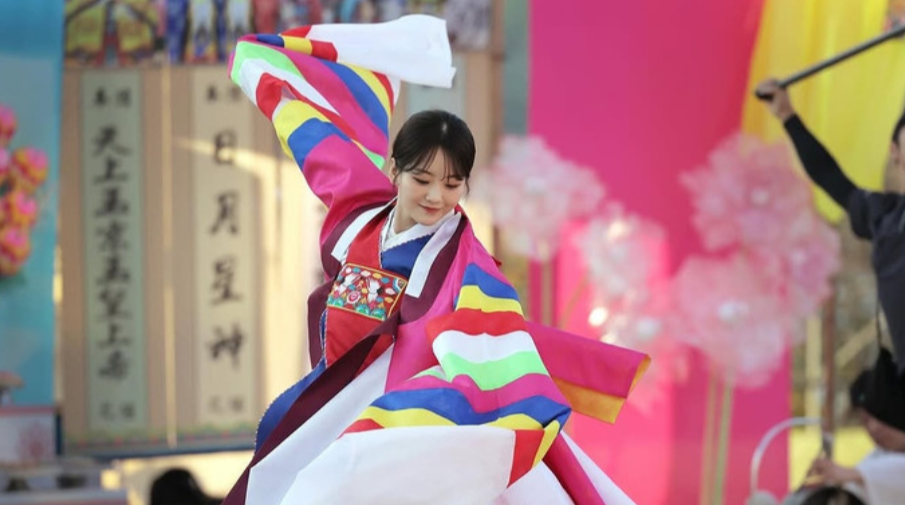
Whether it’s the Dokkaebi from Guardian: The Lonely and Great God or the Gumiho from My Girlfriend is a Gumiho, Korean myths and legends have become favorites among international fans. Over the years, audiences have grown increasingly aware of and interested in these age-old stories, which are integral to South Korean culture. Enduring through time, they remain deeply embedded in Korean society and have become prominent in modern pop culture. Today, they appear in movies, dramas, animations, and even video games. Reimagined and adapted for the modern world, these myths resonate with a wider audience, especially young people. In this article, we explore some of the popular legends that have made their way into contemporary pop culture.
1. Shamanism
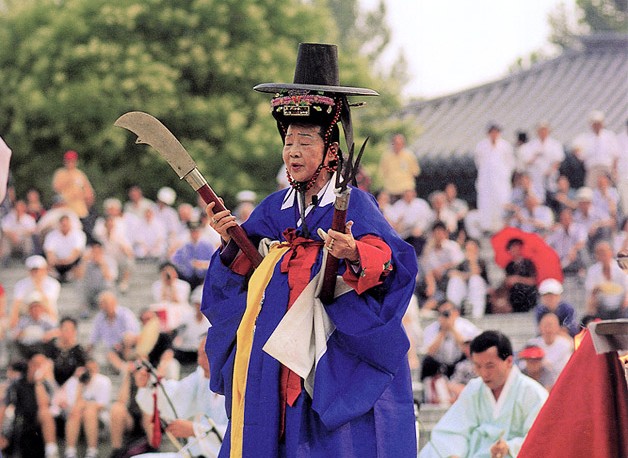
Shamanism forms the foundation of Korean mythology. This ancient spiritual practice is rooted in rituals and animism. Central to the tradition is the female shaman, or mudang, who communicates between humans and spirits. They perform rituals to connect with gods and ancestors. In the past, shamanism was considered taboo, and those associated with it were often shunned. However, there is now renewed interest in these practices. Traces of shamanistic rituals appear across pop culture, from films such as Exhuma and the SBS series Revenant, to contemporary works like K-pop Demon Hunters and Head Over Heels. In K-pop Demon Hunters, the main trio are shaman hunters battling demons, with their music and performances serving as modern reinterpretations of gut, a traditional Korean ritual connecting humans with the divine. Similarly, in tvN’s Head Over Heels, Cho Yi-hyun portrays a modern-day shaman.
2. Dokkaebi
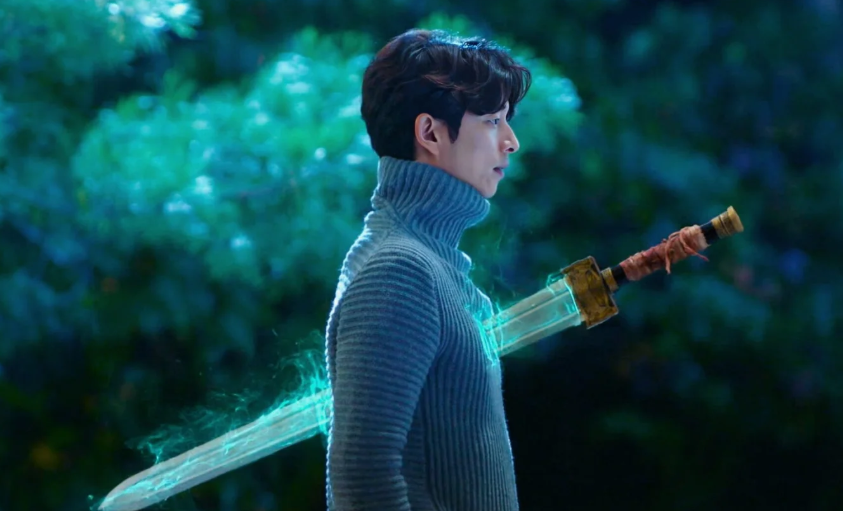
One of the most well-known figures in Korean mythology is the Dokkaebi, or goblin. Known for their mischievous and playful nature, Dokkaebi are traditionally believed to originate from the spiritual possession of inanimate objects, such as brooms or items stained with human blood. They are unpredictable and can bring either misfortune or good luck to those they encounter. Unlike Western goblins, Dokkaebi are not considered evil or monstrous, but rather playful tricksters. They often challenge humans to Ssireum, a traditional Korean wrestling match, to win passage. The 2016 hit drama Guardian: The Lonely and Great God brought Dokkaebi to mainstream attention. Gong Yoo’s portrayal differed from traditional depictions, which feature horns and red faces. Dokkaebi also appear in K-pop Demon Hunters, where they are visualized as monsters rather than traditional goblins.
3. Gumiho
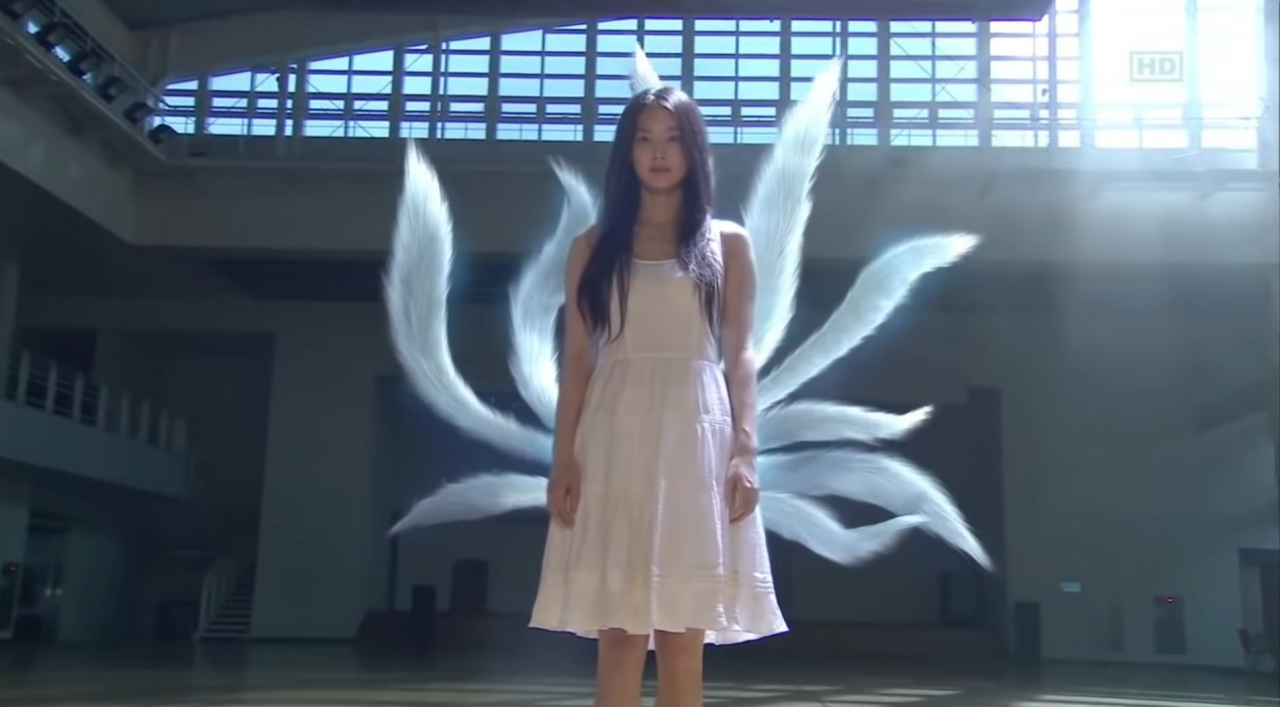
The Gumiho is a Korean nine-tailed fox, often portrayed as beautiful and seductive. Legends say a fox becomes a Gumiho after living for one thousand years. Gumihos possess immense power and intelligence and are often perceived as dangerous. They can shapeshift into humans, using their beauty to lure humans and prey on their life force, hearts, or livers. Traditionally depicted as women, they are also portrayed as men in modern pop culture. Popular examples include My Girlfriend is a Gumiho and My Roommate is a Gumiho, and the 2026 show No Tail to Tell features a Gumiho as its female lead. Gumihos are also common in webtoons and video games.
4. Jeoseung Saja
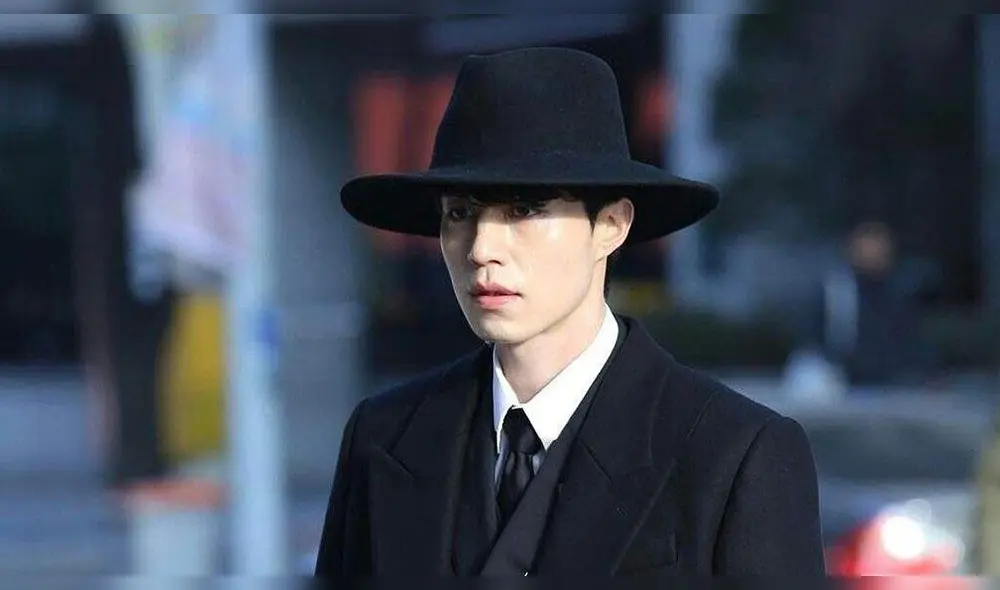
Jeoseung Saja are eternal beings tasked with escorting deceased souls to the afterlife, serving as the Korean counterpart to the Grim Reaper. They are depicted as stern, formal figures dressed in black hanboks and pointed hats called gat. These beings are not evil; they act as officials serving Yeomra Daewang, King of the Underworld. Many fans recognize them from Lee Dong-wook’s role in Guardian: The Lonely and Great God. The Saja Boys in K-pop Demon Hunters are loosely inspired by them.
5. Gwishin
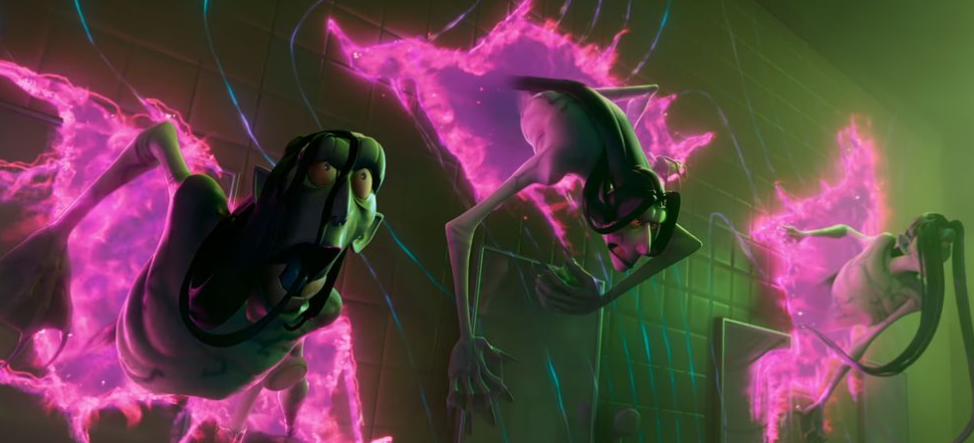
Gwishin are wandering spirits who remain on earth after death, often because they did not fulfill their purpose during life. They are most commonly depicted as women with long black hair and white hanboks and are frequently found in abandoned buildings. Gwishin are classified into four types: Cheonyeo Gwishin (virgin girls who died before fulfilling their earthly purpose), Chonggak Gwishin (the male equivalent of Cheonyeo Gwishin), Mul Gwishin (water ghosts of those who drowned), and Dalgyal Gwishin (egg ghosts with no facial features, believed to bring instant death to anyone who sees them). These spirits frequently appear in modern media, such as Oh My Ghost and Hotel del Luna.
The integration of Korean mythical creatures into modern culture demonstrates their lasting influence and continued cultural importance. The global rise of K-culture has helped these legends reach new audiences, ensuring that they are passed down through generations.
Stay tuned to The World Times for more such content.