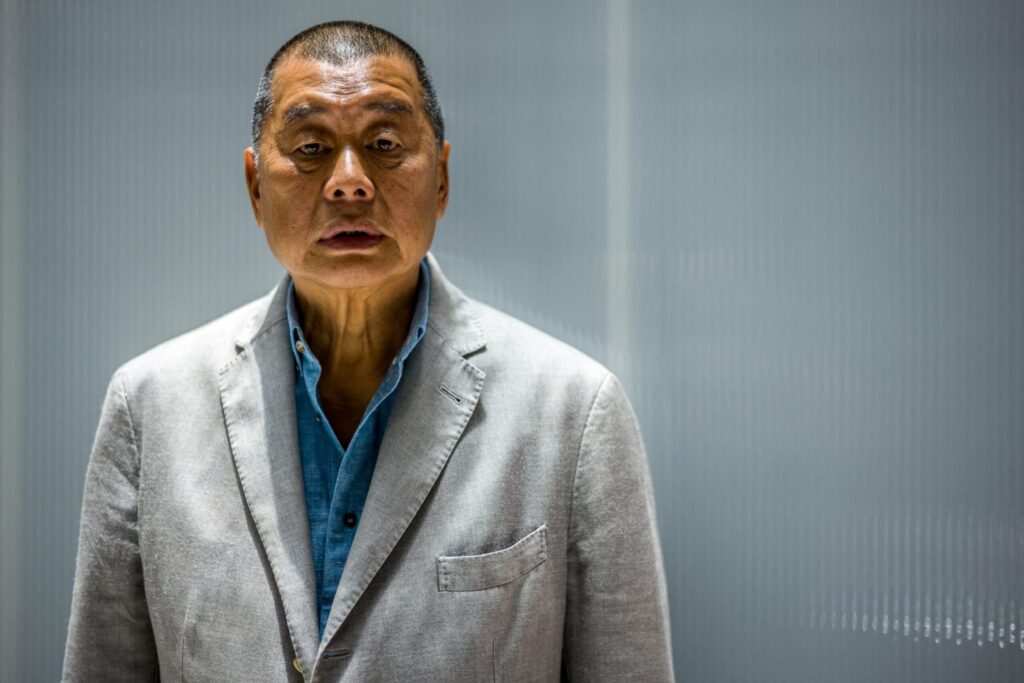
Jimmy Lai, a media tycoon and a pro-democracy activist, was convicted under Hong Kong’s national security law, facing life imprisonment. The incident has raised serious concerns over the city’s political freedom, especially the freedom of speech and expression.
National Security Law: Charges and Legal Implications
The Hong Kong high court convicted Jimmy Lai, which consists of a panel of three judges in the West Kowloon Law Courts Building. He was guilty of three charges- two counts of “conspiracy to collude with foreign forces” (including the United States) and one count of “conspiracy to publish seditious material” under the Hong Kong National Security Law (2020) and Crimes Ordinance (Sedition Provisions).
As per the latest rulings, Lai has not yet been sentenced; however, the charges carry a maximum penalty of life imprisonment under the National Security Law. The court scheduled a pre-sentencing mitigation hearing for January 12, 2026, where it will determine his final sentence.
Story of Jimmy Lai
Jimmy Lai is a self-made billionaire, media tycoon, and pro-democracy activist, rising from poverty as a mainland Chinese migrant to become a successful entrepreneur. Over time, he came to be known as Beijing’s most vocal critic in Hong Kong. He spoke openly on democratic reforms, civil liberties, and resistance to authoritarian control.
He is the founder of Next Digital and Apple Daily, which was one of the most popular pro-democracy tabloid newspapers. Apple Daily fiercely criticised the Chinese Communist Party and strongly supported the pro-democracy movement in Hong Kong.
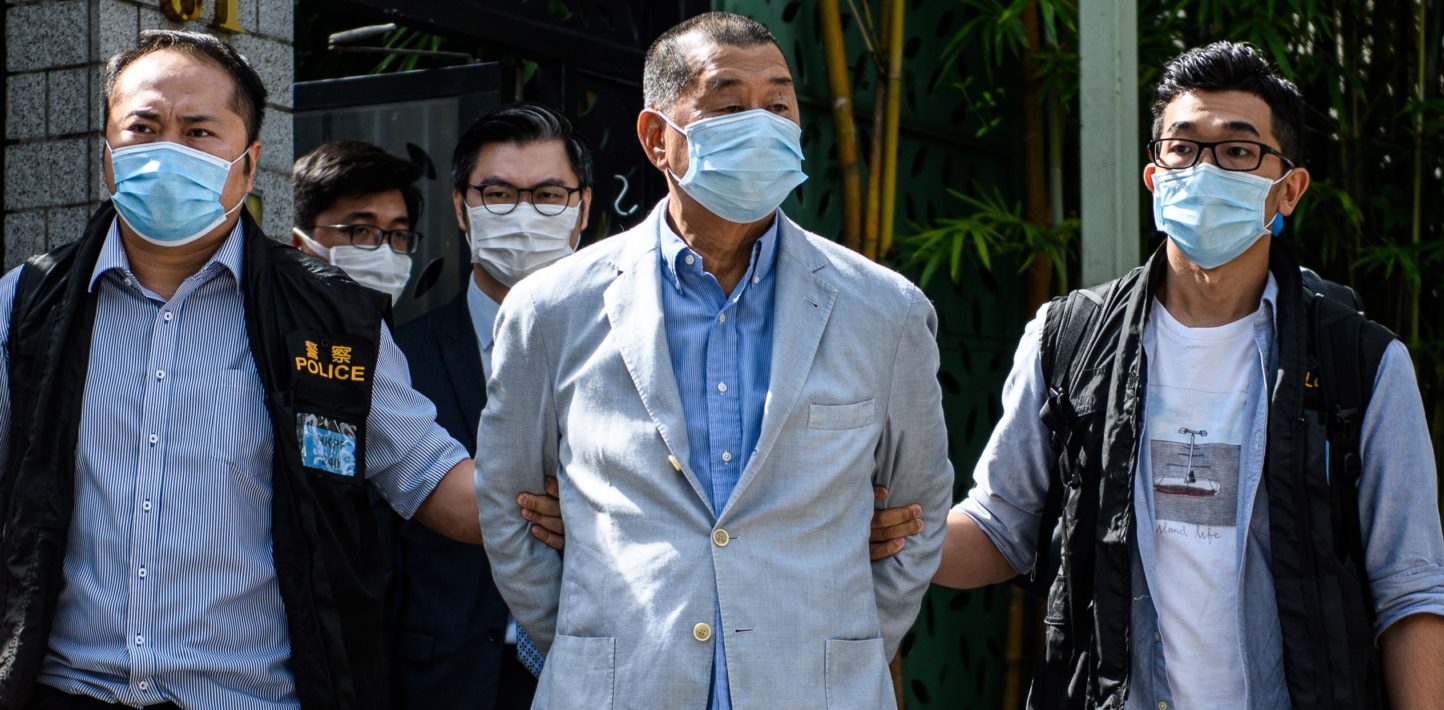
Unlike other media platforms, which imposed self-censorship after 2019, Apple Daily continued its confrontational work, making it a symbol of press freedom for supporters. The paper was forced to shut down in 2021 after police raids, arrests of senior staff, and asset freezes.
Why Beijing saw Jimmy Lai as a threat
Beijing viewed Jimmy Lai as dangerous for three major reasons:
- Influence over public opinion: Through Apple Daily, Lai impacted narratives that challenged the state, especially the Chinese Communist Party, and provoked public dissent.
- International advocacy: Lai publicly lobbied Western governments. Authorities later framed his remarks to foreign media and his call for sanctions as “collusion with foreign forces.”
- Symbolic defiance: His refusal to flee Hong Kong, even after repeated arrests, turned him into a living symbol of resistance. This undermined Beijing’s effort to gain total control after the National Security Law.
International Reaction
The United States government, the United Kingdom government, the European Union, and other Western governments strongly condemned the verdict, calling it a blow to press freedom and the rule of law. Britain’s Foreign Secretary said the conviction was “politically motivated,” while U.S. officials echoed similar concerns. Speaking at the White House, Donald Trump told reporters, “I spoke to President Xi about it… He’s an older man, and he’s not well. I did put that request out. We’ll see what happens.” Amnesty International called the verdict “a death knell for press freedom in Hong Kong.” Lai’s family, including his son Sebastian, described the ruling as “vindictive and cruel.”
Conclusion
Attention now turns to sentencing, which could result in a lengthy prison term for Jimmy Lai. Diplomatic pressure from Western governments is likely to persist. However, the case has already underscored the shrinking space for press freedom, dissent, and judicial independence in Hong Kong.
For more such informative articles, stay tuned to The World Times.