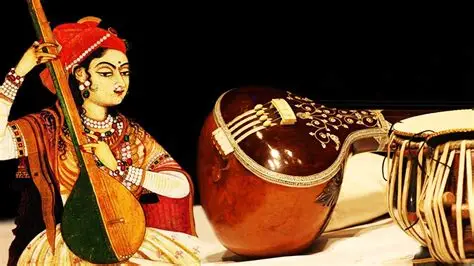
Hindustani Classical music traces its foundation to the ancient age (Vedic Period), when hymns were chanted in specific tones. The Natyashastra by Bharata Muni is one of the earliest treatises of Indian classical music. It emphasizes drama, emotions, hand movements, and expressions. Hindustani Classical music has evolved over the years but has still stayed true to its roots. It deeply integrates into our culture and also testifies to our vivid and diverse cultural heritage (Ganga-Jamuni Tehzeeb).
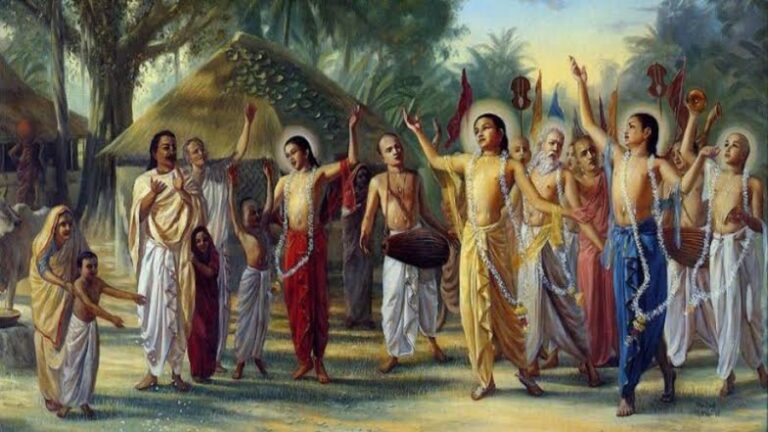
In our country, music in its highest form is synonymous with devotion. Many saints and seers like Haridas, Surdas, and Janabai, during the Bhakti Movement, used music—specifically forms of Hindustani Classical music—as a means to reach the Divinity. The Guru-Shishya Parampara was a tradition through which teachers passed on knowledge to their disciples. Maestros like Zakir Hussain and Ravi Shankar took Hindustani Classical music to the international arena and collaborated with maestros such as John McLaughlin and The Beatles.
So now the big question: Is classical music on the verge of extinction?

Since my mother was trained in classical music, I come from a classical background and learned its intricacies. From childhood, I regularly listened to semi-classical music, ghazals, and other related genres. This created a deep impact on me. Now, due to the rise of pop culture, classical music is somehow losing its exposure and visibility. Every music form is unique in its own way and should be explored while staying true to its roots.
Some of the factors contributing to a smaller audience include time constraints. Traditionally, people consider a classical music performance to be lengthy. Moreover, sponsors tend to invest in commercially more viable genres. On the positive side, the evolution of music and audience preferences has resulted in the fusion of music. In some cases, this is actually very enriching, as it binds different genres of music.
Preservation and The Road Ahead
Events like the Jaipur Literature Festival and Jashn-e-Rekhta are major initiatives that are becoming quite popular. Maestros such as Hariharan, Rekha Bharadwaj, and Kaushiki Chakraborty perform at these events. Renowned institutions like the ITC Sangeet Research Academy and Bhatkhande University are carrying this legacy forward and shaping the next generation. Still, most of the mainstream singers and musicians come from a classical background, which aids them in their careers. Having classical music as a foundation makes it easier for them to blend their voices across different genres.
So, Hindustani classical music is not disappearing completely, but yes, the audience and visibility are decreasing. The solution lies in classical performers becoming more tech-savvy, increasing their presence on social media to connect with the masses, and finding a middle ground to experiment with music while staying true to the roots. The government, along with respective NGOs, has a key role to play in preserving music. Music is an integral part of our culture and a living tradition sustained over centuries.
Explore more such narratives at The World Times.