Iran enters the sixth day of protests that began over rising prices and have broadened as students join demonstrations.
Shopkeepers Sound the Alarm
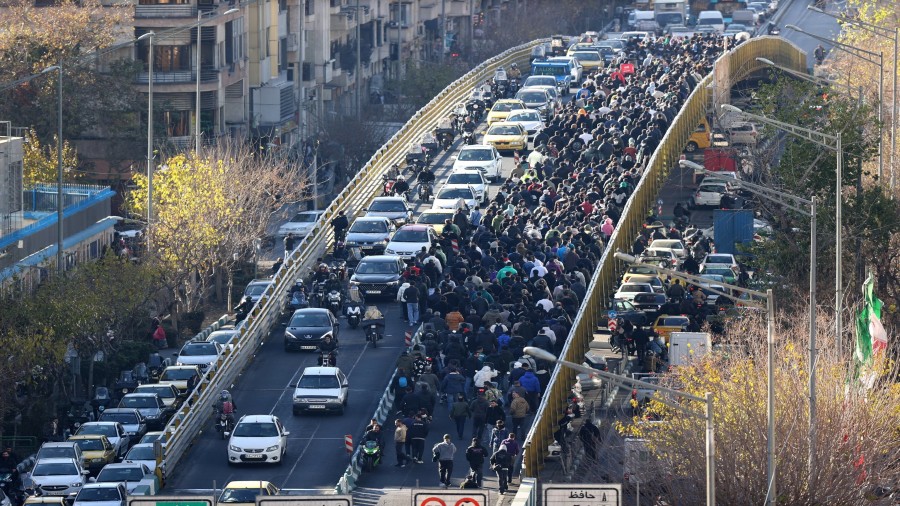
A protest movement that began in Iran earlier this week with strikes and demonstrations by shopkeepers in Tehran has spread to cities and towns across the country, drawing in university students and widening in scope.
The unrest was sparked on Sunday when traders in the capital downed shutters to protest soaring prices and economic stagnation. Iran’s economy has been severely strained by years of international sanctions linked to its nuclear programmes, resulting in high inflation and a sharply weakening currency.
By Tuesday, students joined the protests at universities in Tehran as well as in the central cities of Isfahan and Yazd, with some merchants in the capital’s main bazaar also taking part. According to an AFP tally based on official and local media reports, demonstrations have since been reported in at least 20 locations, largely in western Iran.
Demonstrations Spread Across Cities
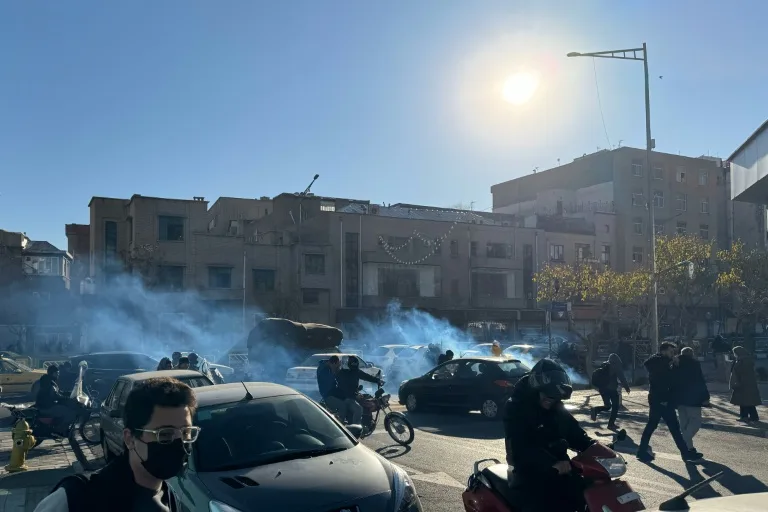
The protests erupted on Sunday in downtown Tehran as Iran’s currency plunged to a new low, but they have since grown in both scale and demand. What began as demonstrations driven by economic grievances has expanded into a broader movement calling for “freedom and equality” and an end to the current political system, as reflected in the slogans chanted by protesters.
Shopkeepers have emerged as a key force in the unrest. Many store owners in two major malls in central Tehran shut their businesses and joined the demonstrations, amid deep uncertainty in the currency market following the sharp fall of the rial. Similar actions were reported in other parts of the country, with shop owners in cities such as Hamedan in western Iran and on the southern island of Qeshm also closing their stores in protest.
Demonstrators in several locations were heard chanting slogans including “death to the dictator” and “Seyyed Ali (Khamenei) will be toppled this year,” directly targeting Iran’s supreme leader, according to reports from Qeshm and the city of Zanjan.
Inflation, Jobs, and Daily Struggles
Iran is facing acute economic turmoil marked by a sharply weakening currency and persistently high inflation, fueling a worsening cost-of-living crisis and nationwide unrest. The rial has lost more than half its value against the US dollar in recent months, while inflation is expected to stay above 40% through 2026. In late December 2025, the currency slid to a record low of about 1.45 million rials to the dollar, underscoring the depth of the crisis.
Prices have surged across essential sectors. Annual inflation has climbed above 42%, with food costs jumping by 72% and medical goods rising by around 50%, placing severe strain on households.
The protests were triggered by strikes among shopkeepers and merchants in Tehran’s Grand Bazaar and major commercial hubs such as the Alaeddin Shopping Center. Traders shut their businesses, saying extreme currency volatility made it impossible to restock goods or set stable prices, turning economic distress into open protest.
World Watches Iran Closely
Protests are growing against the despotic regime, and on Friday President Trump declared American solidarity with the protesters. “If Iran shots and violently kills peaceful protesters, which is their custom,” Mr. Trump wrote on Truth Social, “the United States of America will come to their rescue. We are locked and loaded and ready to go.”
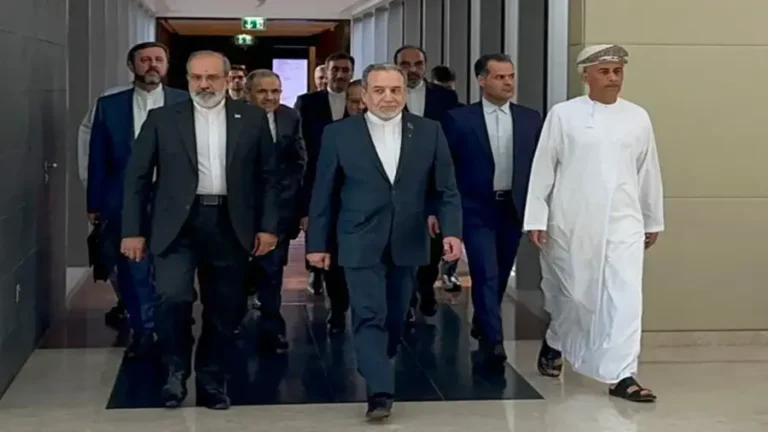
Iran’s foreign minister on Saturday condemned US President Donald Trump’s warning of possible American intervention in support of Iranian protesters, calling the remarks “reckless and dangerous.”
Abbas Araghchi was responding to a social media post in which Trump said the United States would “come to their rescue” if Iran “violently kills peaceful protesters,” adding that Washington was “locked and loaded and ready to go.” The president did not specify what form any intervention might take.
Araghchi said Iran’s armed forces were on alert and “know exactly where to aim” if the country came under attack. He also rejected what he described as foreign interference in Iran’s internal affairs, writing on X that such actions would be “forcefully” opposed. Referring to Trump’s recent deployment of the National Guard within the US, Araghchi said the American leader should understand that attacks on public property are not tolerated.
The exchange comes as protests over Iran’s economic crisis spread to multiple cities, with reports of clashes between demonstrators and security forces. An Iranian police spokesman said authorities would not allow “enemies” to turn unrest into chaos. At least eight people are reported to have died during the week-long demonstrations, according to early reports on Saturday.
The standoff has heightened tensions between Tehran and Washington, which have remained strained since previous US strikes on Iranian nuclear facilities and Iran’s retaliatory attack on a US base in Qatar.
Uncertainty Ahead
The protests reflect deepening economic strain and growing public frustration in Iran. As students join shopkeepers, the demonstrations are taking on a more overtly political tone. How authorities respond may determine whether the unrest fades or escalates further.
For more such informative articles stay tuned at The World Times.