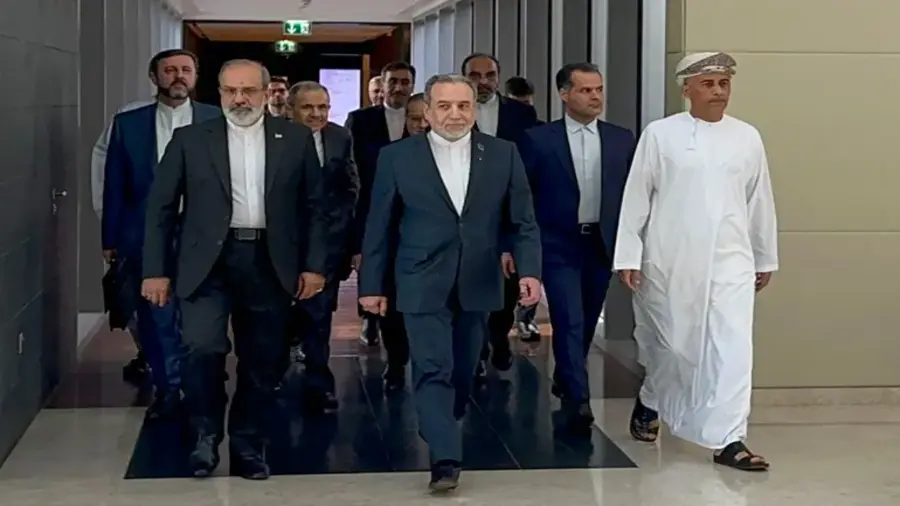
Iran’s Foreign Minister Abbas Araghchi declared on Sunday that the United States must recognize Tehran’s right to enrich uranium on its soil for any nuclear negotiations to succeed. The statement comes amid renewed indirect talks between the two nations, highlighting ongoing tensions over Iran’s nuclear program.
The Muscat Talks
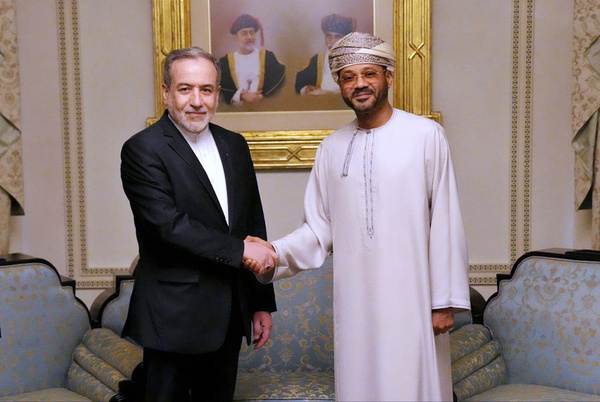
Indirect discussions between Iran and the US took place in Muscat, Oman, on Friday, February 6, mediated by Omani officials. These talks, the first in years, focused solely on the nuclear issue. Araghchi emphasized that Iran would not discuss its missile program or regional activities. He described the meeting as a positive start but cautioned that rebuilding trust would require time and mutual flexibility.
Araghchi noted that while the format of the talks—indirect and facilitated by Oman—mirrors previous negotiations, the content differs significantly. Iran is seeking the lifting of US economic sanctions in exchange for confidence-building measures regarding its nuclear activities.
Iran’s Firm Stance on Uranium Enrichment
“We can never accept zero enrichment,” Araghchi stated firmly during a foreign policy conference in Tehran. He underscored that uranium enrichment within Iran is a “red line” and a sovereign right under the Nuclear Non-Proliferation Treaty (NPT). Araghchi added that Tehran is open to arrangements ensuring the program’s peaceful nature but rejects any demands to halt enrichment entirely or transfer uranium abroad.
In a defiant tone, Araghchi ruled out surrendering this right even under the threat of war, saying:
“Why do we insist so much on enrichment and refuse to give it up, even if war is imposed on us? Because no one has the might to dictate our behaviour.”
He expressed doubts about Washington’s seriousness in the negotiations, citing limited progress between the parties.
US Demands
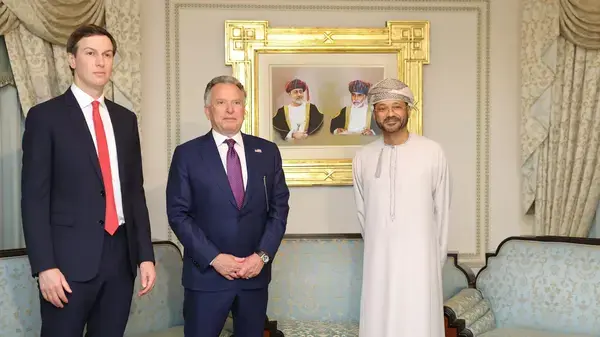
The US has historically pushed for curbs on Iran’s enrichment activities, viewing them as a potential pathway to nuclear weapons, a claim Iran denies. Tehran insists its program is for peaceful purposes. During the Oman talks, Iran rejected US calls to end enrichment levels or join a regional consortium. A diplomat briefed by Tehran indicated that US negotiators showed understanding and flexibility on this issue.
Araghchi reiterated that Iran’s missile capabilities, described as defensive, are not up for negotiation under any circumstances. This stance aligns with Tehran’s broader position that the talks should lead to a “win-win” outcome, focusing on realistic confidence rather than unilateral concessions.
Future Implications
The resumption of talks between Iran and the US signals a potential opening for diplomacy amid heightened regional tensions. However, Araghchi warned that progress depends on the US recognizing Iran’s enrichment rights while addressing international concerns. Analysts suggest that without this recognition, negotiations could stall, perpetuating sanctions and regional instability.
Iran remains ready for further rounds, with Araghchi expecting another meeting soon. As both sides navigate distrust, the path to a revived nuclear deal—similar to the 2015 JCPOA that the US abandoned in 2018—hinges on balancing security assurances with sovereign rights.
For more such updates, Follow us on The World Times.