On July 11th, 2025, UNESCO officially added the Maratha Military Landscapes to its World Heritage List during the 47th Session of the World Heritage Committee in Paris. With this, India earned its 44th UNESCO World Heritage Site.
As part of India’s 2024–25 nomination, the listing includes 12 historic forts across Maharashtra and Tamil Nadu. These forts showcase the Maratha Empire’s exceptional military strategy, smart use of geography, and enduring cultural significance.
This global recognition shines a spotlight on a powerful chapter of Indian history. It is one that blends architecture, resistance, and identity.
What are the Maratha Military Landscapes?
The Marathas were a warrior and ruling group from western India, primarily Maharashtra, who rose to power in the 17th century under Chhatrapati Shivaji Maharaj. Known for their strategic use of forts and guerrilla warfare, they established a strong empire that challenged the Mughal dominance and later resisted British expansion.
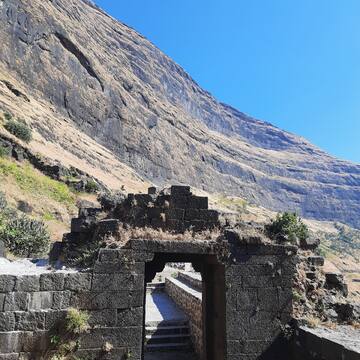
The Maratha Military Landscapes consist of 12 historic forts built by the Maratha Empire between the 17th and 19th centuries. These forts stand across diverse terrains such as hilltops, plateaus, coasts, and islands. This further demonstrates how the Marathas designed military architecture that adapted to natural landscapes.
Far more than just defensive structures, these forts functioned as administrative centres, symbols of resistance, and anchors of regional identity. Some of the important forts are listed below:


Recognition and Resilience
UNESCO recognized these sites under criteria (iv) and (vi), highlighting the Maratha Empire’s innovative military planning and its lasting impact on regional politics and identity. Instead of putting forward individual monuments, India chose to present these forts as a collective ‘serial nomination.’ This highlights how each fort connects to a broader story across the Maratha region.
With this global recognition, the forts now find a place on the international heritage tourism map. In Maharashtra, the UNESCO tag has sparked a sense of regional pride. It has also started influencing cultural and political conversations around Marathi heritage. As a result, efforts are now being made to improve facilities, train local guides, and protect the original character of these forts while following UNESCO’s conservation standards.
Finally, as the world begins to appreciate these historic sites more closely, the Maratha Military Landscapes offer more than just scenic views. They tell stories of courage, resilience, and smart leadership. If protected and promoted with care, they can continue to inspire future generations and remain proud symbols of India’s rich and layered past.
For more such articles, stay tuned at The World Times.