
India is celebrating the return of the revered Piprahwa relics, ancient remains believed to be linked to Lord Buddha after 127 years abroad. Discovered in 1898 in Uttar Pradesh, these relics, including bone fragments and precious gems, were taken during the British colonial era. Their return was made possible after they resurfaced in an international auction, prompting swift intervention by the Indian government in July 2025.
India – Restoring Heritage, Honouring Identity

For millions of Buddhists across India and the world, the return is a deeply meaningful event. The relics offer a direct connection to Buddha and to the country’s legacy as the birthplace of Buddhism. The public reception, marked by ceremonies and gatherings, showed both spiritual devotion and national pride. This homecoming is seen as a step toward correcting historical wrongs and highlights the nation’s commitment to protecting its cultural and spiritual roots.
Soft Power and Regional Leadership by India
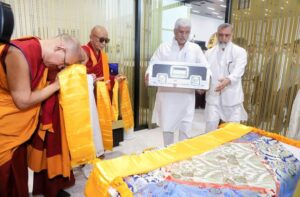
The implications reach beyond borders. By safeguarding and sharing the relics, the nation is strengthening its image as a cultural and spiritual leader in Asia. The plan to display the relics in Buddhist-majority countries such as Thailand, Vietnam, and Sri Lanka is helping the country build goodwill and form deeper ties rooted in shared heritage. This form of soft power relies on cultural influence rather than political or economic means, winning respect among neighbouring nations.
A Public-Private Path to Repatriation
The return of the relics was anything but straightforward. As soon as the auction was announced, the Indian government responded swiftly. However, it depended heavily on key support from the private sector. In a pivotal move, the Godrej Industries Group purchased the relics and entered into a transparent five-year agreement with the government. This arrangement allowed the nation to showcase the artifacts and use them as powerful tools of cultural diplomacy.
Although this shared ownership model has sparked debates about long-term control and transparency, it ultimately achieved its core goal: bringing the sacred relics back to India. More importantly, it ensured they remain accessible to the public, honoring both national pride and the spirit of global cooperation.
Tourism, Economy, and India’s Image
To welcome pilgrims and visitors from around the world, authorities are preparing a series of large-scale exhibitions. This anticipated surge in spiritual tourism is expected not only to boost the economy but also to strengthen India’s global image as a nation that values and shares its diverse cultural heritage.
Moreover, the return of the Piprahwa relics marks a significant moment for India. It weaves together threads of faith, history, and diplomacy, demonstrating that reclaiming cultural heritage plays a crucial role in preserving national memory and fostering international goodwill. This achievement sets a powerful precedent, showing how lost treasures can be respectfully restored to their roots and used to inspire pride, promote inclusivity, and deepen global connections.
For more such informative articles, Checkout theWorldTimes.