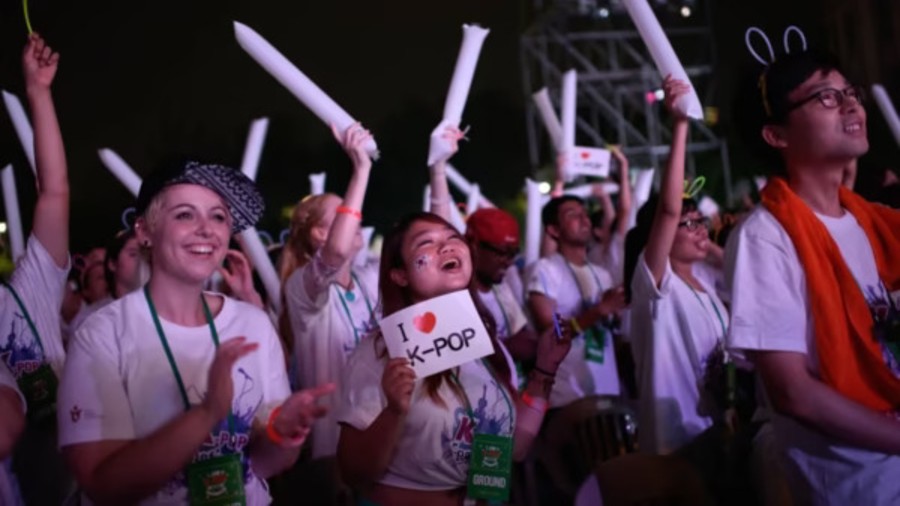
Celebrities used to seem mysterious and lived lives that felt very different from ours. It felt like they belonged to a different reality. Following the advent of social media, this has changed drastically. We know what they like, where they are, and what they do, in real-time. Fandom traditionally existed as a one sided relationship, shaped mainly through fan letters and public appearances. Now, fans can engage directly with celebrities and have much more power over their careers. With apps like Instagram, Twitter, and TikTok, K-pop celebrities are no longer unattainable but constantly accessible. This has completely changed the dynamic of a celebrity – fan relationship. Nowhere is this transformation more visible than in South Korea’s idol culture.
The Korean Context & Idol System
South Korea is one of the most digitally connected countries in the world. As of January 2025, the country has 48.9 million social media user identities, accounting for 94.7% of the total population. This shows the prominence that social media has in South Korea.
To understand the celebrity-fan relationship in Korea, it is essential to comprehend how the entertainment system works. The celebrity, mainly an idol, is trained to be a carefully crafted public figure. Their art is just part of their overall image. They have to maintain a well-rounded personality suited to fan expectations. K-pop, in particular, has built much of its success on sustained proximity between artists and fans. As a result, they are encouraged to engage daily with fans through various means, such as livestreams, Q&A sessions, and virtual fan meets.
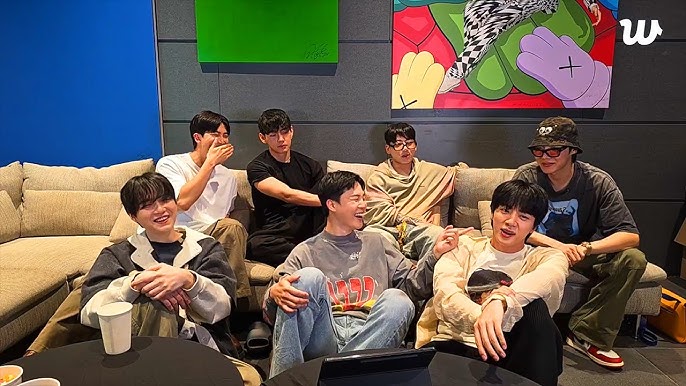
In addition to global platforms such as Twitter, Instagram, and YouTube, South Korea has its own apps that allow celebrities to connect with fans. The most prominent fandom apps are Weverse, Universe, and Bubble. Each of these offers exclusive content facilitating direct artist-fan engagement. This creates a parasocial relationship between fans and celebrities that gradually becomes a significant source of revenue for companies. This is done mainly through subscriptions, exclusive content, and paid fan interactions.
Fans, Social Media, and Rising Privacy Invasions
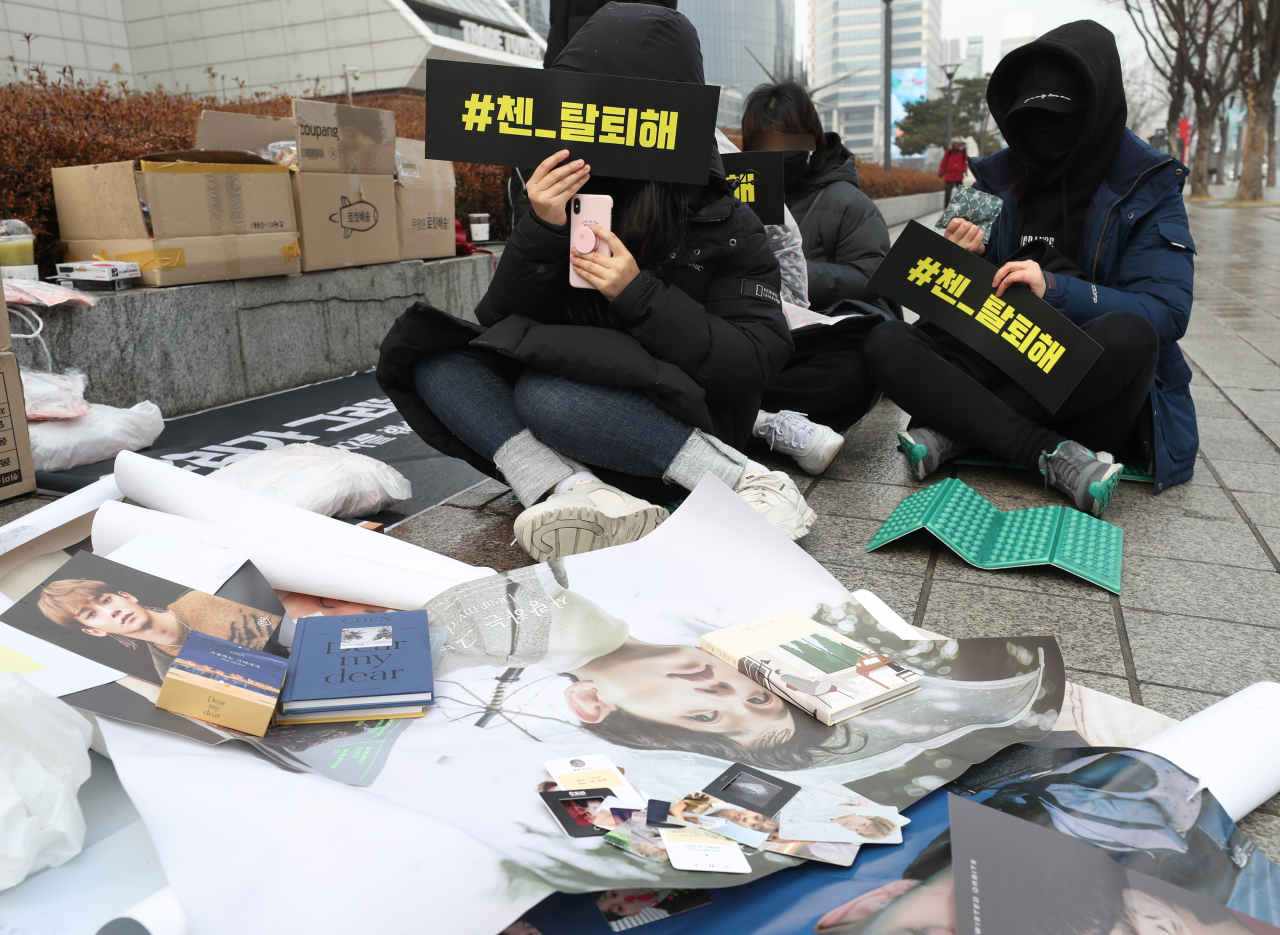
This parasocial relationship, to which K-pop owes its increased fandom, is also one of the largest concerns within the industry. Fans often feel entitled to celebrities, leading to various obsessive fan or sasaeng behaviours. Sasaeng refers to obsessive fans who engage in behaviours that invade the privacy of celebrities, including stalking. Earlier this year, BTS member Jung Kook was the target of a stalking incident. Police arrested a woman after she allegedly tried to enter Jung Kook’s residence by repeatedly entering the front door password. Sasaeng behaviour has even led to attempted kidnapping. During a performance in 2011, an unknown man grabbed Taeyeon of Girls’ Generation by her arm and dragged her offstage.
These incidents show how fan obsession can become a real security threat to celebrities. Fans who feel entitled to idols are quick to nitpick everything and even criticize them for their personal relationships, including dating. Dating rumours have led to protests, trucks with messages, and intense online bullying. This entitlement often blurs the line between affection and control. But this intimate relationship between the celebrity and the fan is not just a byproduct of social media. It is a carefully cultivated part of the idol system.
The Economic Force Behind K-pop Fandom
The same system that amplifies fan influence also sustains the industry. Platforms like Weverse, DearU Bubble, and Lysn have successfully turned fan attachment into a business. It is one of the biggest revenue streams for them. They have built a financial safety net where revenue continues even when celebrities are physically not present. In terms of merchandise, exclusive videos, and similar content, the entertainment agencies themselves now have full control over the fan ecosystem. The ownership has shifted from digital platform players (YouTube, Twitter, Instagram) back to the entertainment companies themselves. Overall, commercial intent drives the fandom experience on these platforms more than natural fan engagement.
Social media has fundamentally changed the relationship between fans and celebrities. It has given fans more power and influence, but has also led to serious invasions of privacy. It is important to note that celebrities are not obligated to obey fans’ expectations and deserve the same right to privacy as anyone else. However, breaking free from this dynamic remains difficult as long as entertainment companies continue to profit from the intensity of fandom culture.
Stay tuned to The World Times for more such content.