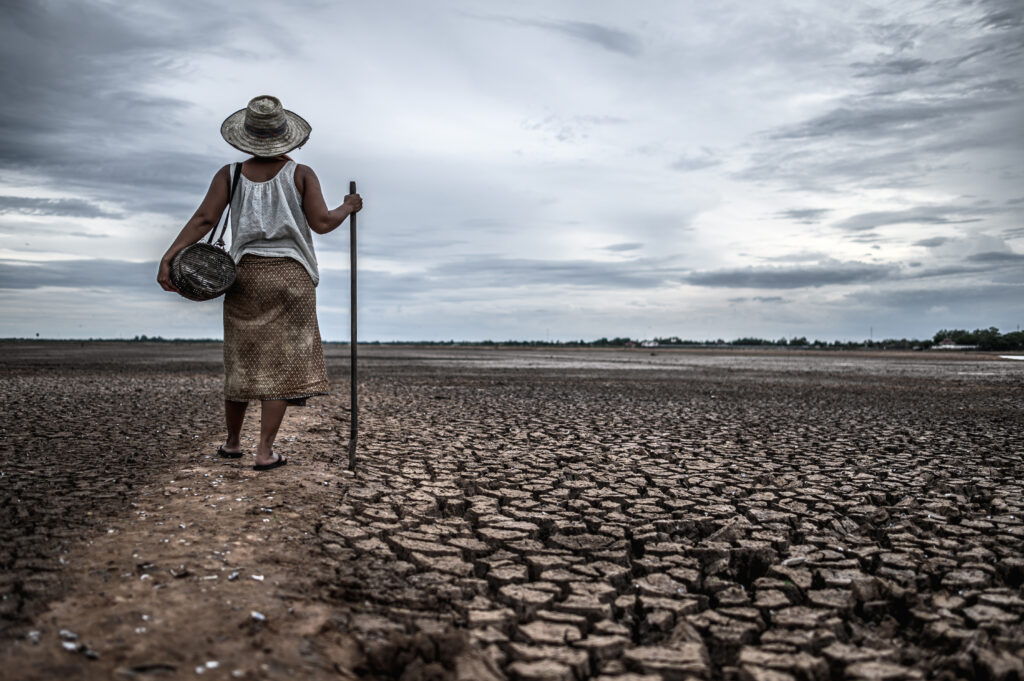
Women standing on dry soil and fishing gear, global warming and water crisis
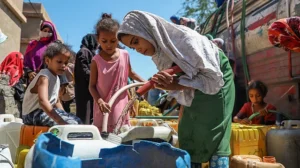
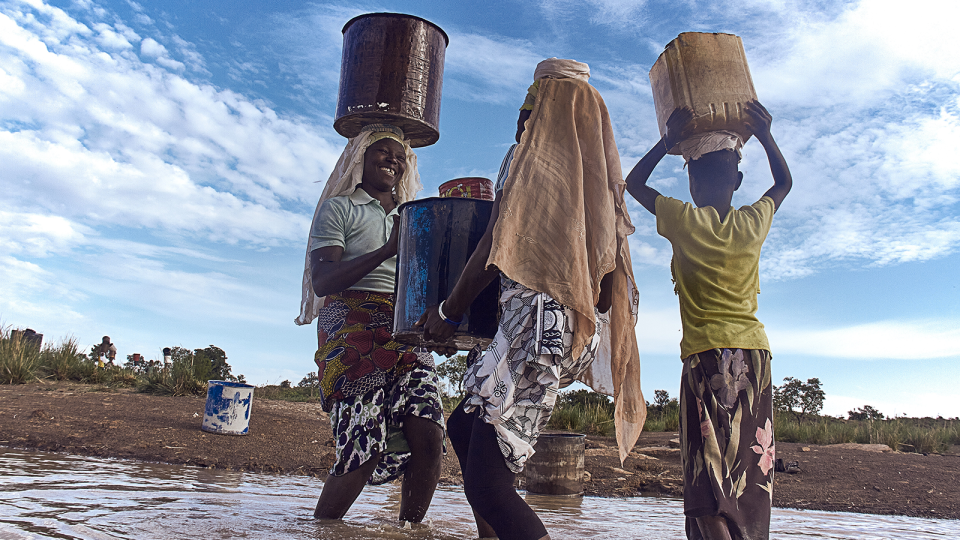 A group of women fetching water from a dam in Taha, Northern Region of Ghana. Photo: Evans Ahorsu Courtesy: UNI IWEH
The report warns that the world has entered an era of “Global Water Bankruptcy,” a condition in which societies consume water faster than nature can replenish it. It erodes the natural systems that once ensured long-term resilience.
Globally, an estimated 75 percent of the world’s population lives in water-insecure countries. Around 2.2 billion people lack access to safe drinking water, while nearly four billion experience severe water scarcity for at least one month each year.
The consequences of water bankruptcy are now visible on every continent. Major rivers no longer reach the sea. Lakes, wetlands, and glaciers are shrinking or disappearing. Aquifers are pumped faster than they can recharge, forests and peatlands are drying and burning, and expanding deserts are driving dust storms and land degradation.
“These are not isolated environmental events. They are symptoms of systems that have overspent their hydrological budget.” (UN Report)
Water security loss is disrupting global business operations and the economy. Declining agricultural yields are raising food production costs, affecting supply chains and corporate profitability. Energy systems reliant on hydropower and cooling water face increased operational risks, impacting manufacturing and industrial output. Communities losing livelihoods are contributing to migration, putting added pressure on cities’ workforce availability and infrastructure.
Beyond economics, competition over scarce water resources is intensifying both within and between nations, compounding existing social and political tensions.
The authors warn that continued inaction will deepen the water insecurity, making recovery increasingly difficult as natural water capital, such as rivers, soils, wetlands, and aquifers, continue to degrade. Reversing the trend, they argue, will require fundamental changes in how water is valued, governed, and shared across sectors and borders.
The warning is clear: water can no longer be treated as an unlimited resource. Governments, industries, and individuals must act now to protect and manage it responsibly. The cost of delay will not just be environmental it will be economic, social, and irreversible.
Follow The World Times for more such business insights.