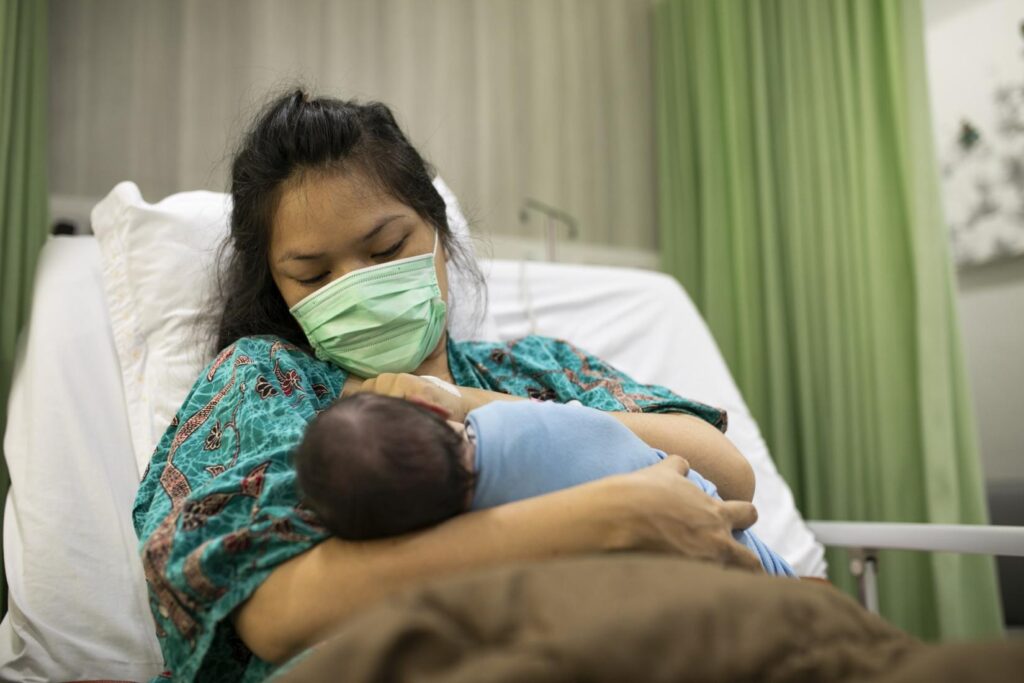
What’s the missing ingredient in Indonesia’s breastfeeding success story? According to the World Health Organization (WHO), its comprehensive maternal support. This Breastfeeding Week, the WHO is putting a spotlight on Indonesia, urging policymakers, and healthcare providers to do more to empower mothers, and protect breastfeeding practices
WHO Recommendations on Breastfeeding
The WHO recommends exclusive breastfeeding for the first six months of an infant’s life. Breastfeeding should continue for at least two years alongside appropriate complementary foods. This method offers the mother substantial advantages while guaranteeing the child’s best possible growth, development, and health.
The WHO states that breast milk promotes healthy growth, and development by providing all necessary nutrients for a baby’s first six months of life. It contains antibodies, and immune factors that protect against diarrhea, respiratory infections, and allergies, according to Sutter Health. The CDC states that six months of exclusive breastfeeding reduces the risk of obesity, diabetes, and some types of cancer in later life. According to ScienceDirect.com, the fatty acids in breast milk promote brain development, improving cognitive function, and long-term academic achievement.
Leading health organizations support breastfeeding as the best early-life nutrition because it offers unparalleled health, immunity, and developmental benefits.
Breastfeeding lowers a mother’s risk of breast, and ovarian cancers, according to the CDC. It also reduces the risk of type 2 diabetes, high blood pressure, and heart disease, says the CDC. Breastfeeding supports postpartum weight loss, and strengthens mother-child bonding, according to the Cleveland Clinic. It can delay menstruation, and act as natural contraception, according to the CDC.
Breastfeeding Trends in Indonesia
UNICEF, and WHO commend the Government of Indonesia’s continued commitment to protect, promote, and support breastfeeding. The rate of exclusive breastfeeding among infants under six months has steadily increased, rising from 52% in 2017 to 66.4% in 2024. However, many infants are not exclusively breastfed for the full six months – the duration required to achieve the full health benefits.
World Breastfeeding Week is observed around the world from 1–7 August. In Indonesia, this important occasion is observed throughout the month of August, under the theme: “Prioritize Breastfeeding: Create Sustainable Support Systems”.
“By investing in support systems for breastfeeding mothers, we create a vital a safety net that ensures no mother has to navigate breastfeeding challenges alone,” said UNICEF Indonesia Representative, Maniza Zaman. “
Indonesia’s steady rise in exclusive breastfeeding is a remarkable achievement, and reflects the commitment of families, communities, and the health system,” said Dr. N. Paranietharan, WHO Representative to Indonesia. “With stronger support systems, every mother in Indonesia can have the resources needed to exclusively breastfeed for the full recommended six months, giving every child the healthiest start to life.”
Barriers to Breastfeeding in Indonesia

In Indonesia, barriers to breastfeeding include infant formula marketing, lack of breastfeeding education, hospital protocols, and inadequate social support. Furthermore, working mothers face challenges like limited maternity leave, and lack of workplace support. Social, and cultural norms, including beliefs about insufficient milk, and the introduction of complementary foods too early, also contribute to the problem.
Impact of Formula Marketing in Indonesia
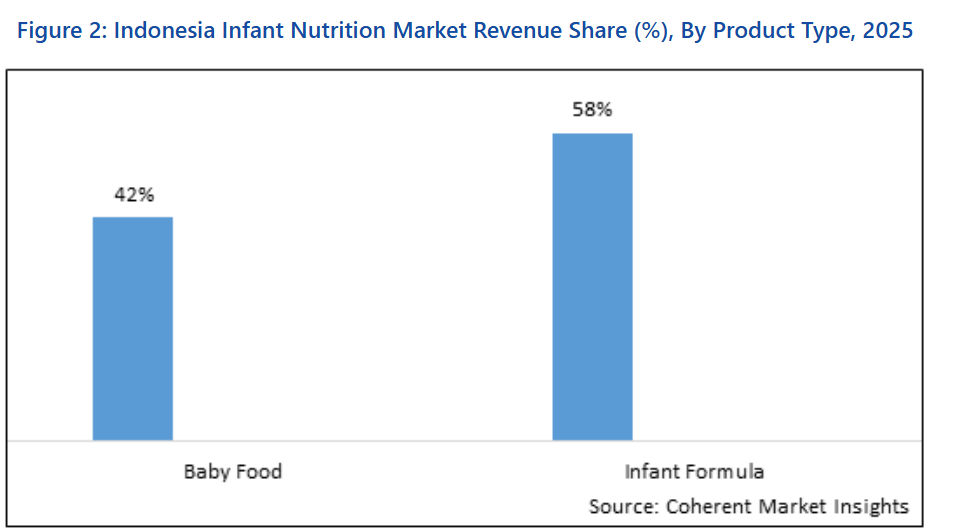
Baby food marketing poses a substantial barrier to breastfeeding, which adversely affects mothers’, and children’s health. Over the past decade, Indonesia’s baby food industry has used direct marketing and promotions in public, and healthcare settings.
In the developing nation of Indonesia, the size of the CMF market has expanded recently; for instance, from 2009 to 2014, its value grew by 96% (2017). The total value of all CMF sales in Indonesia in 2014 was approximately US$240 million ( 2016); in 2022, it skyrocketed to about US$2.8 billion (2020). Infant formula consumption is the most frequent reason for exclusive breastfeeding disruption (81.4%). In addition, national data show a decline in exclusive breastfeeding from 2018 (74.5%) to 2021 (52.5%) (2022).Unlike other commodities, the marketing of CMF products interrupts recommended breastfeeding practices, adversely affecting maternal, and child health, and survival .
What More Can Be Done?
To improve breastfeeding support in Indonesia, align national strategies with WHO guidelines focusing on early initiation, exclusivity, and continued breastfeeding.
Ensure immediate skin-to-skin contact, and breastfeeding within one hour after birth, supported by trained healthcare professionals, and educational programs. Promote exclusive breastfeeding for six months, and continued breastfeeding with safe complementary foods up to two years, or beyond.
Establish skilled support systems including helplines, peer counseling programs, and professional training to ensure consistent, informed breastfeeding guidance.
Enforce workplace policies with lactation breaks, and facilities, while countering misleading formula marketing through strict regulation, and accurate public information.
Empower communities through health worker engagement, local advocacy, and data-driven monitoring to sustain breastfeeding support, especially during emergencies, and disasters.
This Breastfeeding Week, let’s heed the WHO’s call, and commit to creating a truly breastfeeding-friendly Indonesia, one where every mother has the support she needs to nourish her child with confidence. The health of a generation depends on it.
For more such informative articles, stay tuned at The World Times.