Bangladesh has suspended visa services in India while simultaneously urging the United States to exempt its citizens from a controversial visa bond requirement, signaling a shift in its diplomatic and travel strategy.
Sudden Move Signals Diplomatic Shift
In January 2026, Bangladesh’s interim government temporarily suspended visa and consular services at several of its key diplomatic missions in India, citing security concerns and unavoidable circumstances, while simultaneously engaging in high-level diplomatic talks with Washington over a newly introduced U.S. visa bond requirement.
The suspension, which took effect on January 8, affects the Bangladesh High Commission in New Delhi, the Deputy High Commission in Kolkata, and the Assistant High Commission in Agartala. Officials said most visa services at these missions have been halted until further notice.
However, business and employment-related visas continue to be processed at the affected locations. Diplomatic sources also indicated that Bangladeshi missions in Mumbai and Chennai remain operational for now, although some visa categories may face restrictions.
The decision comes amid heightened diplomatic tensions and recent protests outside Bangladeshi diplomatic premises in India. It also follows similar measures taken earlier by India, which temporarily closed several of its visa application centers including the facility in Chattogram citing security risks.
US Visa Bond Exemption Sought
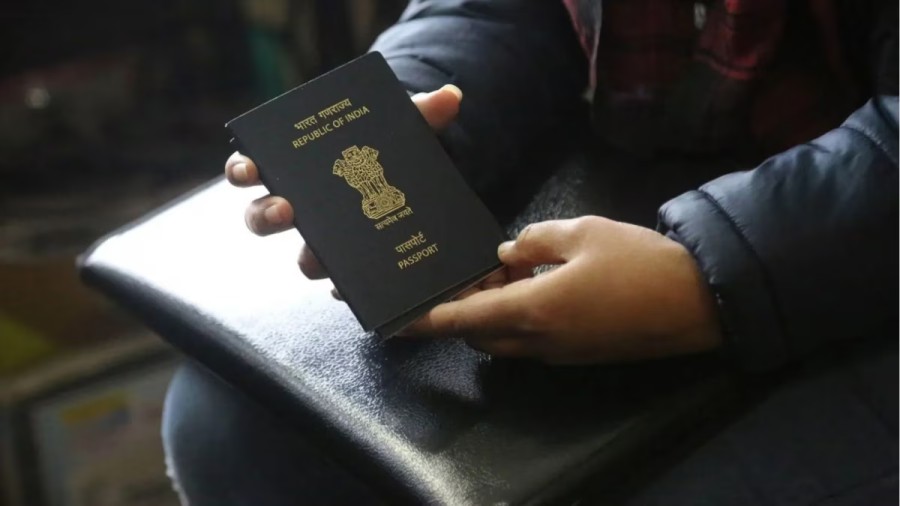
Bangladesh formally appealed to the United States to exempt its citizens from a newly expanded visa bond requirement, describing the measure as burdensome for legitimate travelers, particularly business visitors.

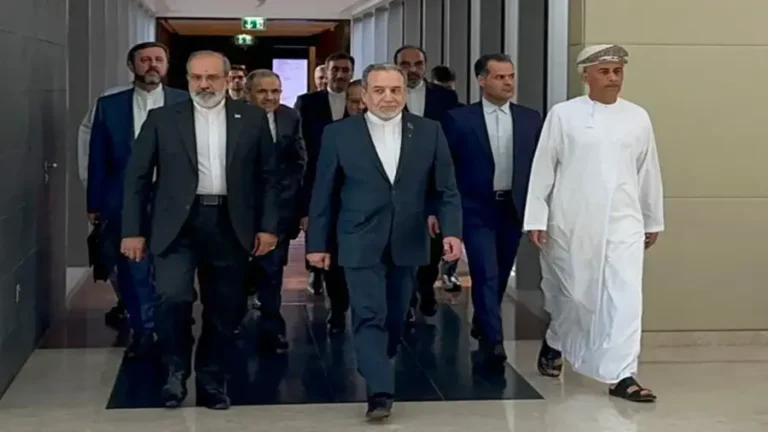
Bangladesh’s National Security Adviser, Dr. Khalilur Rahman, raised the issue during high-level meetings with U.S. officials in Washington, urging an exemption for B-1 short-term business visas. Foreign Adviser Md Touhid Hossain confirmed that Dhaka would continue diplomatic engagement to secure Bangladesh’s removal from the visa bond list, calling the policy “unfortunate and painful” for Bangladeshi travelers.
U.S. officials responded cautiously but positively. Under Secretary of State Allison Hooker assured Bangladeshi representatives that the request would be given due consideration. American officials indicated that the requirement could be reviewed or lifted in the future if visa overstay rates among Bangladeshi nationals show a significant decline.
It was added to the U.S. Visa Bond Pilot Program on January 6, 2026, with the policy scheduled to take effect from January 21. Under the program, otherwise eligible applicants for B-1 and B-2 business and tourist visas from 38 designated countries may be required to post a refundable bond.
The bond amount ranges from $5,000 to $15,000, depending on an applicant’s risk profile as assessed by a consular officer. The measure is intended to deter visa overstays and ensure compliance with U.S. immigration rules. The bond is refunded once travelers depart the United States on time and adhere to all visa conditions.
Impact on Travelers and Businesses
The program also imposes travel restrictions, requiring bonded travelers to enter and exit the U.S. through designated airports, including New York’s JFK, Boston Logan, and Washington Dulles.
Bangladesh’s request underscores growing concerns among government officials and business groups that the policy could hinder legitimate travel and economic engagement between the two countries.
Diplomacy at a Crossroads
The twin moves highlight growing pressures on mobility, diplomacy, and migration policy. While officials frame the steps as administrative, the ripple effects are being felt by travelers, students, and businesses. How key partners respond could shape Bangladesh’s regional and global engagement ahead.
For more such informative articles stay tuned at The World Times.