Australia will formally recognize the Palestinian state as a sovereign state next month. Australia, thus, joins nations like the United Kingdom, France, and Canada. The move is part of Canberra’s long-standing support for a two-state solution. It is an effort to revive stalled peace talks in the Middle East. It comes at a tense time, with Israel intensifying military operations in Gaza which has been shifting dynamics between Western and Middle Eastern powers. This step could redefine Australia’s role in the Middle east.
As of August 2025, 147 of the 193 UN member states recognize the State of Palestine. These statistics cover Asia, Africa, Latin America, the Middle East, and Eastern Europe. Recent additions include Malta, Ireland, Spain, Norway, Jamaica, Armenia, Slovenia, and Mexico. India recognized Palestinian statehood in 1988 and maintains full diplomatic ties having acknowledged the Palestine Liberation Organisation as the official representative since 1974.
Regional and International Reactions to Palestinian State Recognition
The response has been mixed. Israel condemned the decision warning it could embolden Hamas and hinder direct talks. Palestinian leaders called it a vital show of political and moral support. Jordan and Egypt have quietly welcomed the move, while Saudi Arabia has remained silent. Globally, Australia’s action aligns it with a growing number of Western nations advocating renewed negotiations, but it has also drawn criticism from Israel and some allies.
Implications and Practical Impact
Recognition, while not as dramatic as military intervention, can trigger tangible changes. Canberra expects possible adjustments to trade and visa policies and plans to increase aid to Palestinian institutions. While some allies may view the decision unfavourably, others see it as a pragmatic step toward breaking the decades-long deadlock. The recognition strengthens Palestine’s diplomatic standing, encourages peaceful resolution of the conflict and boosts humanitarian cooperation. It also signals to Israel and the international community that Palestinian sovereignty has substantial global support.
Australia’s timing for formal recognition of Palestine next month is planned to coincide with the United Nations General Assembly in September, maximizing global impact while allowing time to finalise diplomatic preparations and secure commitments from the Palestinian Authority.
Australia’s Stance on Peace and the Palestinian State
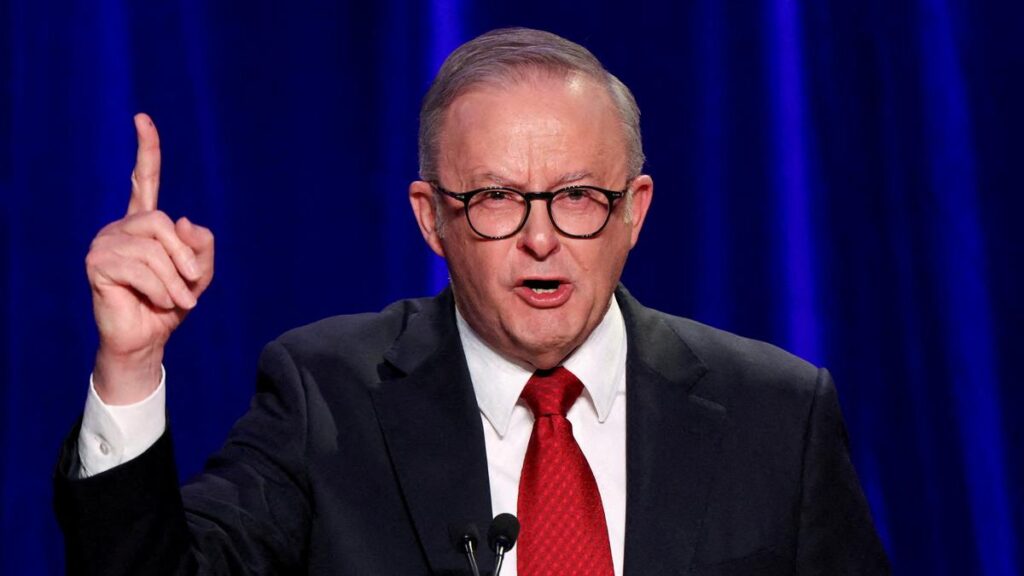
Prime Minister Anthony Albanese has described the recognition as a “practical contribution” toward peace and Palestine’s right to independence. Australia historically backed Israel’s creation in 1947 and supported a two-state framework. In recent years, it has condemned Israeli settlement expansion, declared West Bank settlements illegal, labeled Hamas a terrorist group and urged its disarmament. This step moves Australia from rhetorical support into a concrete diplomatic position in the ongoing conflict.
As recognition of Palestine spreads and global criticism mounts, will this be enough to bring Israel, a key US ally, to the negotiating table and achieve a final resolution
For more such articles, check out The World Times.