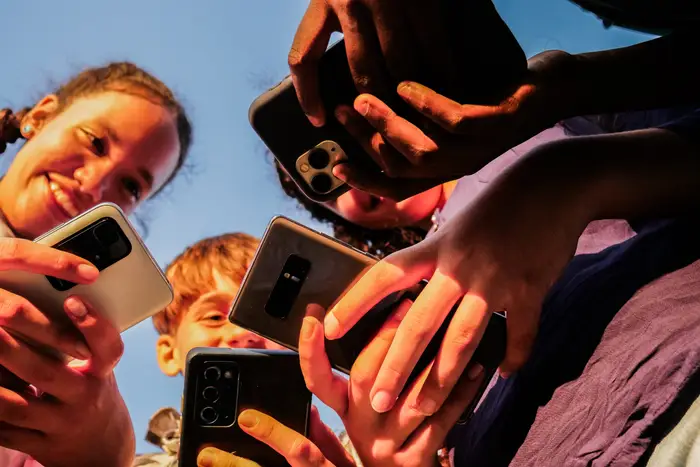
A global child-safety push is reshaping the digital world as nations from Australia to Europe move to lock minors out of social media’s most dangerous corners.
A Worldwide Trend Takes Shape
A global shift toward tighter social media regulation is accelerating, as governments impose new restrictions for reasons ranging from national security and political stability to the growing need to protect children online.
Countries are adopting a mix of strategies—temporary shutdowns during unrest, long-term nationwide bans, and increasingly age-verification laws aimed at shielding minors from online risks such as cyberbullying, addictive feeds, and harmful content.
Australia has become the first nation to enforce a blanket ban on major social platforms—including Facebook, Instagram, TikTok and YouTube—for children under 16, effective December 10, 2025. Tech companies will be required to verify users’ ages and face substantial penalties for failing to comply.
Malaysia plans to roll out a similar ban for under-16 users beginning in 2026, while Denmark, Spain and Norway are weighing comparable national restrictions, with proposed minimum ages ranging from 15 to 16. In Brazil, a new rule will soon mandate verified parental consent for anyone under 16 accessing social networks.
This wave of regulation signals a significant tightening of how young people can use social media across multiple regions.
What the Rules Say
Globally, most social media regulations set the minimum age for independent access at 13, a standard shaped largely by the U.S. Children’s Online Privacy Protection Act (COPPA). However, several regions are now moving toward higher thresholds, placing greater responsibility on platforms to verify user ages and fund the necessary safety systems.
Under the EU’s General Data Protection Regulation (GDPR), member states can set their own “digital age of consent,” with limits as high as 16. India’s new Digital Personal Data Protection (DPDP) Act goes further, requiring verifiable parental consent for all users under 18—the strictest provision of its kind among major markets.
Australia has also introduced one of the toughest frameworks, enforcing a nationwide ban on social media access for anyone under 16.
Australia Leads the Way
The Australian government, under Prime Minister Anthony Albanese, has formally enacted the Online Safety Amendment (Social Media Minimum Age) Act 2024, passed in late November 2024 and set to come into force on December 10, 2025. The law requires social media companies to take “reasonable steps” to block users under 16 from creating or maintaining accounts, with penalties of up to A$49.5 million for platforms that fail to comply.
The age ban will apply to major platforms including Facebook, Instagram, TikTok, YouTube, Snapchat, Threads, X (formerly Twitter), Reddit, Kick and Twitch.
Reactions
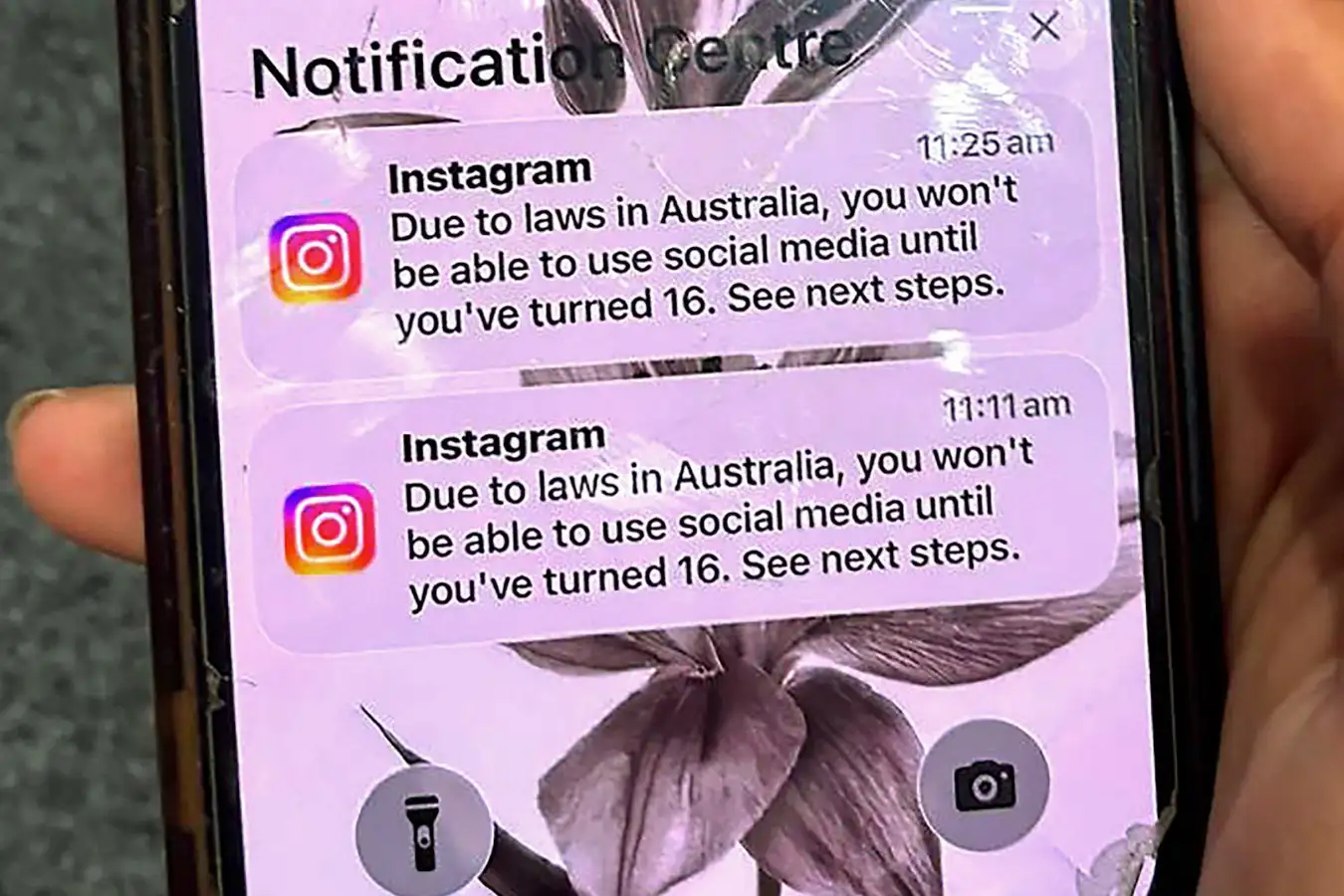
Reactions to Australia’s new under-16 social media ban have been sharply divided. The government, which secured bipartisan backing for the law, argues the measure is essential to address rising concerns over youth mental health, online anxiety and safety risks.
However, experts warn that this shift is unfolding with little scrutiny of the safety and privacy standards offered by these emerging apps. With the nationwide teen ban now in effect, Australia is witnessing a noticeable change in online behaviour—raising questions over whether the new platforms teens are flocking to provide adequate protections or age-appropriate spaces.
Many parents have welcomed the policy, and surveys show that nearly three-quarters of families support it because they want stronger protections against cyberbullying and harmful online content. Educators express divided views: some argue that the ban will improve classroom focus and peer interaction, while others argue that comprehensive digital literacy programs would provide a more effective solution.
Youth-rights groups and civil liberties advocates, including the Digital Freedom Project, have voiced strong opposition. They contend the law infringes on privacy, limits free expression and may push teenagers toward less regulated or riskier corners of the internet. Several young campaigners have launched a High Court challenge, arguing the measure breaches Australia’s implied right to political communication.
Early indicators since the ban took effect point to uneven compliance. The government says around 200,000 TikTok accounts have been deactivated, yet reports suggest some teenagers are circumventing age checks, with VPN searches spiking just before implementation. Platforms not covered by the initial list have also seen a surge in new users.
Alternatives
Alternative social media platforms are rapidly gaining traction in Australia following the rollout of new restrictions on users under 16. As major apps such as TikTok, YouTube, Instagram and Facebook begin limiting access for younger teens, many are migrating to lesser-known digital platforms.
However, experts warn that this shift is unfolding with little scrutiny of the safety and privacy standards offered by these emerging apps. With the nationwide teen ban now in effect, Australia is witnessing a noticeable change in online behavior—raising questions over whether the new platforms teens are flocking to provide adequate protections or age-appropriate spaces.
The global clampdown on children’s social media access marks a turning point in how nations confront digital risks. As more governments introduce age checks and tougher safeguards, the pressure on tech platforms to reform is intensifying. The world is making it clear that it will no longer leave children unprotected in an online universe built for adults.
For more such informative articles stay tuned at The World Times.