For the longest time, India’s music industry was tightly bound to Bollywood. Film songs dominated playlists, parties, and radio stations, leaving little space for independent voices. However, a new wave of artist-driven music, backed by industry and government alike, is changing the way India listens, performs, and values music.
In a recent interview with CNBC-TV18, Jay Mehta, Managing Director of Warner Music India & SAARC, put it simply:
“India has moved from being a soundtrack economy to an artist-led one.”
And the numbers back him up. On Apple Music and Spotify, a growing share of top songs no longer come from Bollywood. Instead, they’re independent releases, regional language hits, and international collaborations.
Investments And Recognition
Launched in 2020, Warner Music India is now investing heavily in this growing movement. It supports major names like Diljit Dosanjh and Armaan Malik, while also building platforms for newer voices. What sets Warner apart is its 360-degree model: offering not just label support, but also live event management, influencer partnerships, and ticketing infrastructure. Mehta explains,
“We’re not just signing artists, we’re building their entire ecosystem.”
This evolution isn’t just industry led; it now has government backing. The Union Budget 2025 directly acknowledged the rise of India’s concert economy, calling it a ‘key driver’ of youth engagement and cultural tourism.
The budget proposed easing permissions for festivals, funding concert venues, and even providing tax incentives for companies investing in live events and music infrastructure. It’s a first that the sector has been given this kind of official support, and it signals a major shift in how cultural events are valued.
India’s Artist Wave

The heart of this change lies in the rise of Indian musicians making their mark, artists like Prateek Kuhad, Peter Cat Recording Co., Ditty, and Taba Chake, who are building loyal fanbases through their own sound, style, and storytelling. These artists are touring, headlining festivals, and proving that you don’t need a film to make a hit in India anymore — thanks in large part to the rise of streaming platforms
India is no longer just listening to music; it’s building an economy. One that values live experiences, supports independent creators, and is ready to stand shoulder-to-shoulder with the global stage. The future of Indian music isn’t tied to a film release; it’s tied to the artists themselves.
Concert Culture
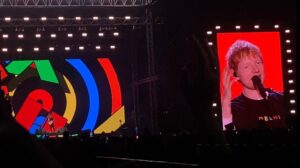
At the same time, India is becoming a global stage. Travis Scott’s two back-to-back shows in Delhi and Mumbai, Post Malone’s upcoming concert in Guwahati, and Cigarettes After Sex’s most recent concerts highlight India’s growing presence on the global music map. Ed Sheeran’s collaboration with Arijit Singh, which features Punjabi lyrics, further reflects how far India has come in shaping global music conversations. Sheeran even filmed his latest music video Sapphire across the country, cementing India’s place in the international spotlight.
Coldplay’s concert in India caused a massive stir, tickets sold out in minutes, leaving thousands of fans frustrated and shut out. The chaos highlighted just how hungry Indian audiences are for live music experiences, and how quickly demand is outpacing supply.
Meanwhile, regions like the Northeast are stepping up. Shillong, in particular, has hosted major global acts like Akon, Bryan Adams and Ed Sheeran. This gives fans outside metro cities the chance to attend these concerts without needing to travel far or spend heavily. It is a big step toward making live music more accessible across India.
As concert culture continues to grow, it is important to reflect on the direction that it is taking. In India, the scene is evolving fast— fusing global influences with distinct local energy and identity.
For the movement to truly thrive, it needs to be rooted in inclusivity, cultural awareness, and thoughtful planning. It’s not just about bigger crowds or elaborate stages, it’s about creating spaces that feel meaningful, accessible, and lasting. The way we shape these experiences now will define what live music becomes in the years ahead.