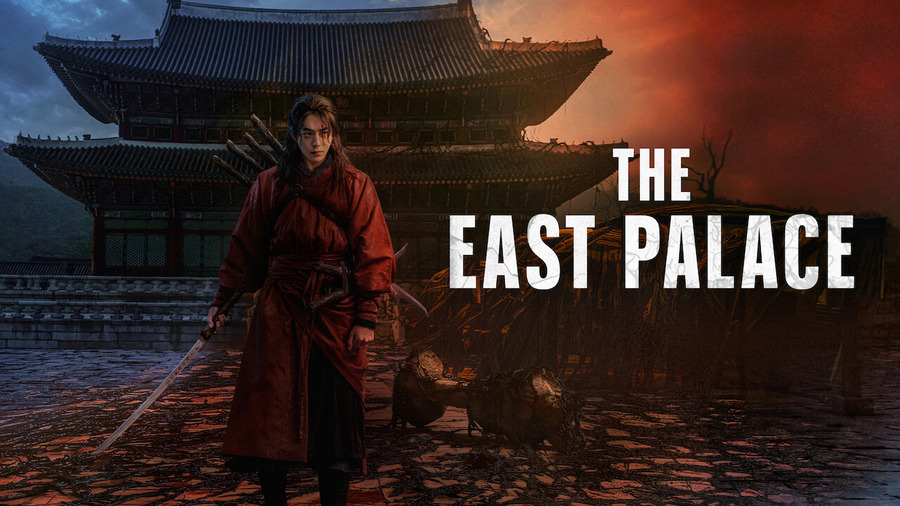
Over the past few years, fantasy K-dramas have become some of the most talked-about releases. However more than the aspects of mystery or strong worldbuilding of the supernatural premise , audience prefers being dazzled by romance, and cinematic visuals. The latest addition, The East Palace, has already caught viewers’ attention with its unique world of spirits and historical setting. But does it have what it takes to become the next breakout fantasy K-drama?
Click here to watch the trailer.
Everything You Need to Know About The East Palace‘s Plot
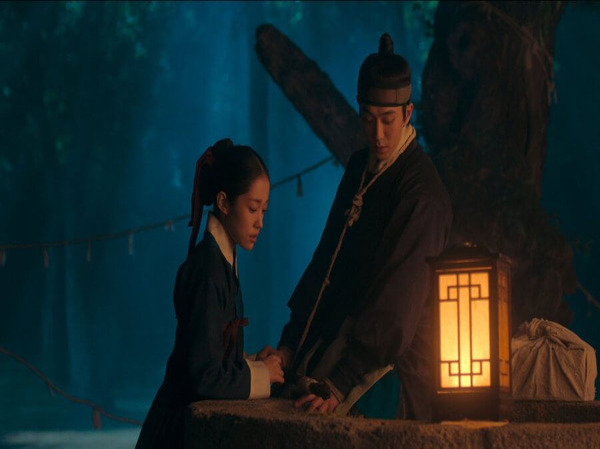
The East Palace premiered on July 17, 2026, starring Roh Yoon-seo and Nam Joo-hyuk in leading roles. The story follows a talented shaman Gu-cheon, tasked and ordered by King Ju-Sang to save his son from vengeful spirits who have cursed his dynasty. This event is also preceded by the death of his elder sons; the two former Crown Princes under mysterious circumstances.
Gu-cheon has nothing but apathy towards the royals who, according to him, have invited evil with their own greed. But his reluctance to help them meets with the determination and resilience of Saeng-gang. She is the once exiled daughter of the monarch. Together, they set out to reach the “ghost of the pond” associated with the young prince’s growing seizures and pain. However, as they unravel the mystery, long-buried truths hidden within the palace walls begin to resurface.
At the center of these revelations is the Queen Dowager, a formidable matriarch whose past is far more sinister than it first appears. The duo enters the world of the dead, encounters wronged ghosts and comes across other dangerous shamans. Until they discover the real villainy, which originates from the familiar world of living, rather than something inhuman.
A Fantasy That Finds Evil In The W0rld of Living
Many fantasy K-dramas portray demons, ghouls or vampires as the primary source of fear like The Guest (2018) or Hellbound (2021). But unlike them, The East Palace‘s most intriguing strength is its approach to evil, where the supernatural is not the sole antagonist. The series suggests that the greatest darkness may lie within human actions and desires. This perspective gives the drama a more layered narrative, reminding viewers that monsters are not always otherworldly. Sometimes they exist within the world of the living.
Most viewers can hardly endure the Queen Dowager (Jang Young-nam) throughout the drama. She appears cold, ruthless and the final arbiter of several crimes that invites the wrath of all the spirits. These include alleging the expecting concubine of an affair with a manservant leading to her execution, burning her thirteen court ladies alive and, finally, poisoning her exiled daughter in law. Yet, nobody expects the real culprit to be Saeng-gang’s mother herself. She had staged her own persecution and had assisted the King’s birth mother to poison his thirteen rival brothers. But she is only one face of a much deeper rot. The King also orders a mass execution of the common folk to preserve resources during a plague.
Thus, this series suggests that the kingdom’s greatest horrors are not the ghosts haunting its corridors, but the decisions made by those who ruled them. Oppressive traditions within the royal family and the unchecked power often comes at the expense of ordinary people. They leave behind wounds that continue to haunt both the living and the dead.
A Historical Fantasy Rooted In The Past
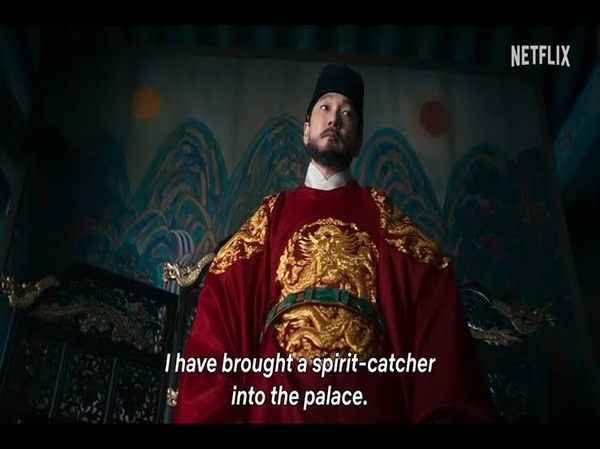
The series uses an imaginative version of Joseon Korea, inspired by the politics and kingdom structure. Originally founded by the general Yi Seong-gye, the era spanned from 1392 to 1897, almost five hundred and eighteen years. The grandeur of palace architecture and ceremonial traditions shown provides authenticity to the narrative. But the real question remains: Did ghosts actually harm the members of the Joseon royal dynasty?
“The Joseon Annals” the official records of the dynasty’s court affairs, narrates ghostly incidents within the royal palace. During King Gwanghaegun’s reign (1608–1623), the court fired a cannon at the East Palace after suspecting a ghostly presence. Similarly, King Seongjong (1469–1494) personally investigated rumors of a ghost appearing in an official’s home by questioning members of the Seungjeongwon. There were also reports of an unidentified creature roaming the palace grounds causing widespread panic in Hanyang, during King Jungjong’s reign (1506–1544).
Between the Living and the Dead: Korean Beliefs About Spirits
Writers Kwon So-ra and Seo Jae-won, who previously worked on The Guest and Bulgasal: Immortal Souls, used Korean shamanist traditions as the foundation for the series’ supernatural world. Korean folklore refers to ghosts as gwi-shin. Within The East Palace, gwi-mae are spirits of those who died carrying unresolved regrets, leaving them unable to move on from the human realm. Won-gwi represent souls consumed by deep resentment after death, and they seek vengeance.
Gu-cheon fears becoming an ak-gwi, a corrupted spirit that has taken human lives and become sinned through its violent actions. The series also features ggeomeoksali, spirits that feed on the “Yang” energy of living beings. Since Gu-cheon lacks Yang energy, he fears encountering these creatures; however, he unexpectedly forms a bond with one during his stay in the palace. In the human world, the ggeomeoksali appears as a small and clumsy creature. But it transforms into a powerful and terrifying entity within the spirit realm.
These shamanistic beliefs and stories behind their creation reflect the idea that death cannot sever a person’s ties with the mortal world. Injustice and grief cause their lingering attachments to the world of living.
How The East Palace Differs from Fantasy K-Dramas
Over the years, many fantasy K-dramas have transformed supernatural elements into stories centered around romance like My Love from Another Star (2013) or Guardian: The Lonely and Great God (2016). The supernatural element of the protagonist is treated as a tool to increase their appeal and conjure their impossible love story with the mortal lead. These interpretations have introduced audiences to imaginative worlds, but also softened the darker and more unsettling aspects of dark fantasy.
The East Palace, however, takes a different approach by returning to the roots of Korean shamanistic beliefs, where spirits are not simply mysterious beings or romantic figures. They represent another world far dangerous than that of humans, yet caused by their dark deeds. Instead of romanticizing the supernatural, the series explores the fear and moral nuances which once shaped Korean ghost stories.
Follow The World Times for more such updates.