The US-Iran Conflict is now entering into a new stage since America started another round of military actions against Iran due to the attacks on some commercial vessels in the Strait of Hormuz. This conflict may endanger the existing fragile peace accord. It could lead to a broader Middle Eastern war. It will also raise prices on the oil market in the whole world. (Source: Reuters)
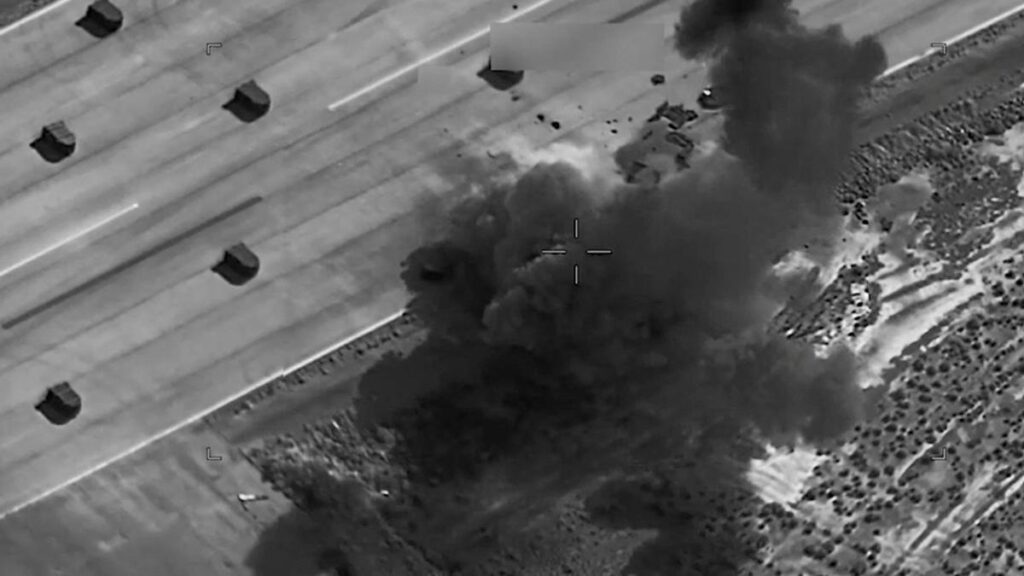
The latest crisis started due to a specific fact. Iran was charged with attacks on three commercial ships. This happened in the Strait of Hormuz, which is one of the busiest channels for transportation in the world and through which passes a huge portion of the world’s oil supplies. In response to the attacks, the United States conducted military strikes on Iran.
US Strikes Iran After Hormuz Attacks

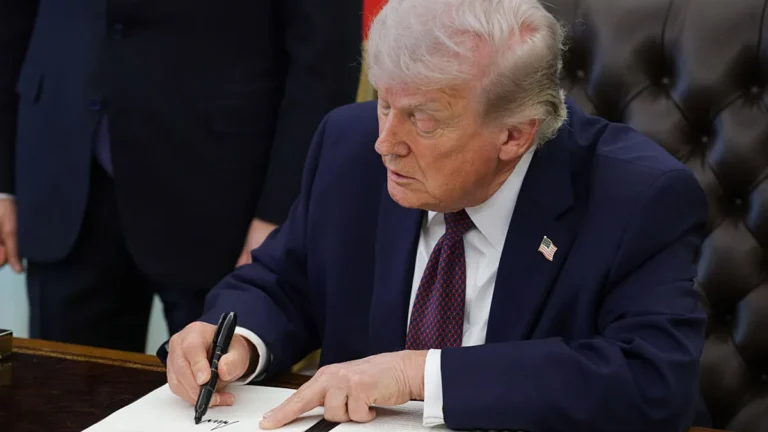
President Donald Trump announced that the existing ceasefire agreement with Iran had fallen apart. This prompted the United States to launch these attacks. President Trump pointed out the behaviour of Iran towards ships in the Gulf had violated the agreement. At the same time, he expressed readiness to continue dialogue.
The United States launched the attack at a particularly sensitive time, as Iran held funeral ceremonies for its Supreme Leader Ayatollah Ali Khamenei, who was killed in earlier hostilities. Thus, there was additional stress on the negotiations about the restoration of peace, opening of the Strait of Hormuz, and also solving other problems like Iran’s nuclear program.
After attacks from the United States, Iran responded with attacks on US military bases in Bahrain and Kuwait. Iran’s attacks also affected Qatar, while Gulf countries placed themselves on high alert after the missile and drone strikes.
US-Iran Conflict Raises Oil and Security Concerns
The US-Iran conflict has created uncertainty in the global energy market. This is due to the strategic importance of the Strait of Hormuz. The strait links oil producing countries in the gulf with other parts of the world. Therefore, any disruption would create problems for energy supplies around the world. The price of oil went up after the recent military confrontations between the two countries because of fears that the continued fighting might interfere with oil shipment channels. Several companies reviewed their business in the area and even officials expressed fears over the safety of ships passing through the gulf.
The US also targeted Iran’s oil business by limiting the ability of Iran to export crude oil outside its borders. Iran threatened to retaliate in response to what it considered aggression on the part of the Americans.
Diplomatic Efforts Continue Amid Rising Tensions
Despite these renewed assaults, diplomatic efforts have not been abandoned entirely as well. Officials and mediators continued calling on both parties to uphold existing agreements and to refrain from further actions that could aggravate the situation. However, the recent attacks make it increasingly hard to reach any agreement, as both sides continue blaming one another for violations. Moreover, this crisis has brought new challenges for the regional states, especially those Gulf States where American military bases exist. Any further aggravation of this crisis can affect trade and energy markets all over the region.
As the US-Iran Crisis progresses, international observers continue watching the development of military operations and diplomatic efforts and changes concerning the Strait of Hormuz. The upcoming days will show what consequences will be following the recent escalations in the US-Iran Conflict.
Follow The World Times for more such updates.