Your uncle still thinks Colombia is dangerous. Your uncle has not been to Colombia. He also has not eaten a bandeja paisa at a family-run place in Medellín at 1 PM on a Tuesday, which tells you something about the quality of advice you’re getting. So, this Colombia Travel Guide 2026 starts with the honest version: yes, Colombia requires more situational awareness than Japan or Portugal.
However, it is not the country it was in the 1990s. In fact, if you’re travelling to major tourist areas with a functioning brain and a basic willingness to use Uber instead of flagging down cars on dark streets, you will almost certainly have one of the most rewarding trips of your life.
Moreover, Colombia has topped multiple 2026 “Best Destinations” lists from House of Travel, Lonely Planet, and leading travel booking platforms. Meanwhile, search volumes for Cartagena and Medellín are tracking at multi-year highs. At the same time, the country’s tourism infrastructure has improved dramatically over the past decade, and Indian travellers are increasingly discovering that flight connections, usually via Madrid or Miami, are not as brutal as many assume.
What Makes Colombia Special in 2026
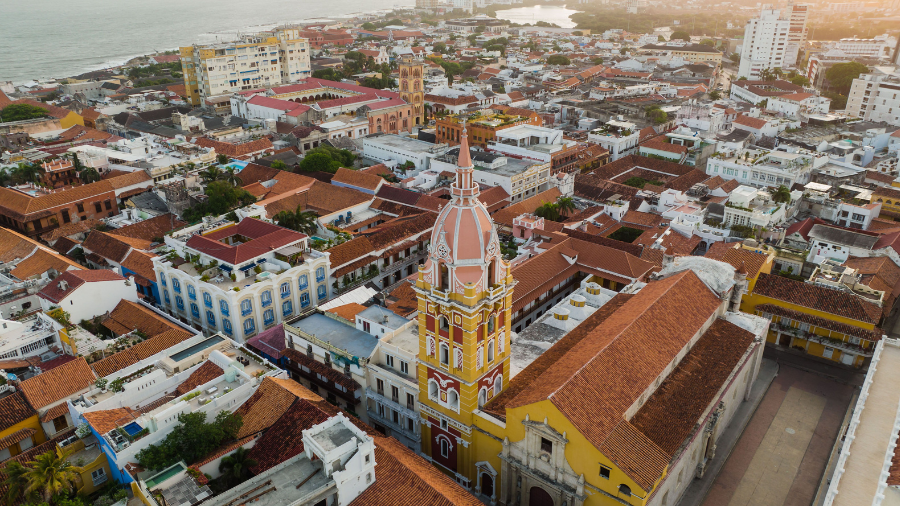
- Cartagena — a walled UNESCO World Heritage city on the Caribbean coast with a colour palette that doesn’t feel real until you’re in it
- Medellín — once the world’s most dangerous city, now a cable-car-connected, museum-packed, innovation hub that regularly tops digital nomad rankings
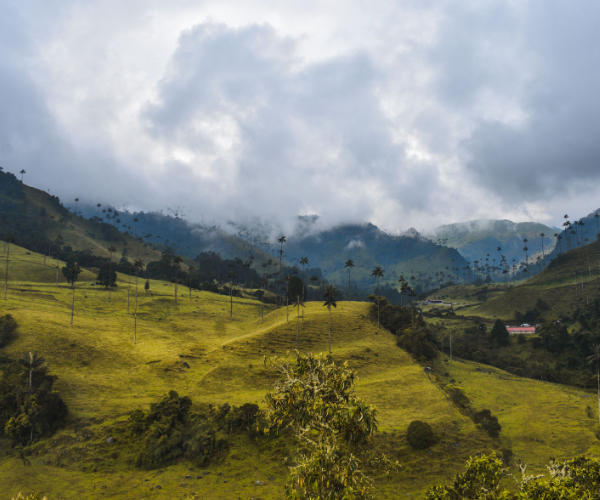
- The Coffee Region (Zona Cafetera) — Salento, Jardín, and the Cocora Valley with its absurdly tall wax palms
- Tayrona National Park — jungle meets Caribbean beach in a way that takes approximately 4 seconds to understand why people keep coming back
- Bogotá — the Gold Museum alone is worth a day of your life; 55,000 pre-Columbian gold pieces in one place
- San Andrés Island — famous for its “Sea of Seven Colours,” relaxed island atmosphere, and excellent snorkelling and diving.
- Providencia Island — a quieter Caribbean escape with pristine reefs, hiking trails, and far fewer visitors than San Andrés.
- Guatapé — a colourful lakeside town known for brightly painted buildings and the climb up El Peñol Rock, rewarded with panoramic views over hundreds of islands.
- Villa de Leyva — one of Colombia’s best preserved colonial towns, featuring an enormous cobbled plaza surrounded by whitewashed architecture.
One reason Colombia works so well as a two week itinerary is the sheer variety packed into a single country. You can wake up inside the colonial walls of Cartagena, spend the next few days riding Medellín’s cable cars into hillside neighbourhoods, drink coffee on family-run fincas in the Zona Cafetera, hike through Tayrona National Park where rainforest meets turquoise Caribbean water, and finish in Bogotá exploring world-class museums and a thriving food scene.
Few destinations let you move between Caribbean beaches, Andean cities, cloud forests, and coffee plantations this easily, which is why Colombia continues to attract both first-time visitors and returning travellers.
Medellín vs Cartagena: Where Should You Go First?
If you have 10 days, visit both. However, if you only have a week, choose the one that best matches your travel style.
For those seeking a relaxed coastal escape, Cartagena is tropical, colonial, and immediately gorgeous. It demands very little from you. You can walk along the old city walls at sunset, enjoy fresh ceviche by the Caribbean coast, and take a day trip to the Rosario Islands. Overall, it’s the easiest introduction to Colombia.
On the other hand, Medellín rewards travellers who enjoy cities with a compelling story. The Metrocable system lifts you over rooftops into hillside barrios that were conflict zones just two decades ago. Today, the city’s remarkable transformation is visible at every turn and continues to evolve, making it genuinely fascinating rather than simply beautiful.
Safety in Colombia: The Real Conversation
In major tourist corridors — the Cartagena old city, El Poblado and Laureles in Medellín, the Zona Rosa in Bogotá, and the Cocora Valley — Colombia is safe with standard precautions. Violent crime against tourists in those areas is uncommon.
The rules that experienced travellers follow:
- Use Uber or InDriver, never unmarked taxis
- Don’t walk around with your phone out in unfamiliar areas at night
- Keep valuables in your accommodation safe, not on your person
- In Medellín and Bogotá, walk at night only in well-lit, populated streets in known safe zones
- The Coffee Region towns like Salento and Jardín are relaxed by any standard
Colombia Travel Budget
Colombia runs $40–65 per day for a budget traveller and $100–150 for mid-range comfort. The peso makes this particularly good value right now. A full lunch (bandeja paisa — rice, beans, chicharrón, avocado, plantain, egg) at a local place costs around $3–5. A hostel bed in El Poblado is roughly $15–20 per night.
For visa information for Indian travellers: Colombia requires a visa for Indian passport holders. Apply through the Colombian consulate or a registered visa agency at least 4–6 weeks ahead.
For more South American travel, see our Solo Female Travel 2026 guide for Colombia-specific tips for women.