Music criticism does not just reflect taste. It actively constructs it. For decades, male critics have dominated the conversation who got to decide what counts as “important” music and what artists are worthy of this title. In fact, this gatekeeping has created a canon that systematically excludes women. Therefore, when we talk about the “greatest albums of all time” we are really talking about who got decide.
Who Held the Pen in Music Criticism?
Consider the Rolling Stone 500 Greatest Albums list. Initially, when the list was inaugurated in 2, only 12 albums by women appeared including the female groups. The magazine faced backlash over the absence of female artists and women of colour. Meanwhile, male rock artists dominated nearly every slot. However, his wasn’t just preference. Instead, it revealed who held the pens.
Male critics championed guitar driven rock as “serious” music. Conversely, they dismissed pop, R&Band confessional songwriing as frivolous. Yet, these genres have historically attracted female artists. Similarly, when women did make rock music, critics often framed them as exceptions or novelties rather than innovators.
Gendered Language in Music
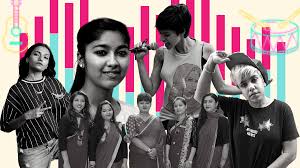
Furthermore, the language of criticism itself carries gendered baggage. Male artists get called “genius”, “visionary”, or “groundbreaking”. In contrast, female artists receive words like “talented”, “emotional” or “personal”. This linguistic divide matters because i determines legacy. For instance, Joni Mitchell spent decades being labeled as ‘confessional’ singer-songwriter. Only recently have critics recognised her as a jazz innovator and compositional genius.
Likewise, Kate Bush faced dismissal as ‘quirky’ until male artists cited her influence. Suddenly, critics reconsidered her entire catalogue. The question that remains is why must female artists require male approval to be taken into consideration? Additionally, female critics face their own barriers. Publications historically hired fewer women. Consequently, their perspectives remained marginalised. Even today, women write only 20-26 percent of music criticism in major outlets. Thus, the cycle perpetuates itself. Male artists elevate male artists, then train the next generation of predominantly male critics.
Nevertheless, change is happening. Digital platforms allow diverse voices to challenge the old guard. Moreover, younger critics actively interrogate the canon’s blind spots. They’re asking uncomfortable questions: why did we ignore female producers? Where are the black women innovators? Ultimately, reshaping the canon requires acknowledging how gender shaped it in he first place. Only then can we build something better.
Read More:
Deepika Padukone Exposes Cracks in Bollywood’s Work Culture
The World Inequality Report 2026 Highlights Stark Inequalities