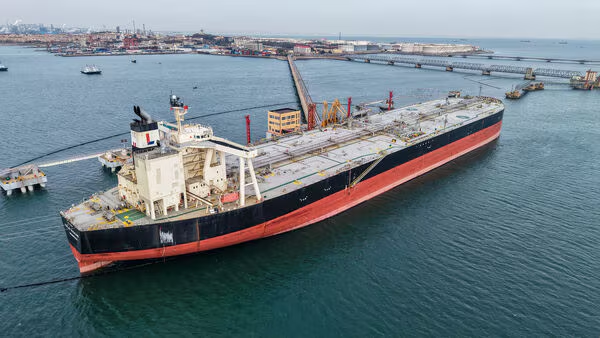
An Oil Tanker (Courtesy - Mint)
Global crude oil prices have surged past the $100 per barrel mark as escalating conflict between United States and Iran continues to disrupt energy markets. Traders reacted sharply to growing fears of supply shortages and potential disruptions in the Middle East.
The international benchmark Brent crude briefly climbed above $110 per barrel in global trading. The US benchmark West Texas Intermediate (WTI) also surged above $100 as investors anticipated prolonged supply disruptions. Analysts say the rally marks the first time in several years that crude prices have crossed the psychological $100 threshold.
Energy markets remain highly sensitive to developments in the conflict. Even small disruptions in supply routes can trigger large swings in global oil prices.

Middle East Tensions Shake Global Oil Supply
The surge in prices largely stems from fears that the conflict could disrupt oil shipments across the strategically vital Strait of Hormuz. This narrow maritime corridor carries roughly 20 percent of the world’s oil supply, making it one of the most critical energy routes in the global economy.
Recent attacks on commercial shipping and energy infrastructure in the region have intensified market anxiety. Traders worry that tanker traffic could decline sharply if the conflict spreads further across the Gulf.
Several Middle Eastern producers have also reduced output amid security concerns. These developments have tightened supply expectations and pushed prices sharply upward. Analysts note that oil prices have risen nearly 20 percent in recent weeks as geopolitical tensions intensified.
Global Economic Impact Looms
Rising crude prices could trigger broader economic consequences across the world. Higher oil costs often translate into rising fuel prices, transportation expenses, and inflation in many economies. Energy-importing countries such as India could face particularly strong economic pressure if prices remain elevated. Analysts warn that sustained prices above $100 could widen trade deficits and increase inflation risks for developing economies.
Market observers believe crude prices may climb even higher if the conflict continues or spreads further across the region. Some financial institutions have suggested that oil could approach $120 per barrel if disruptions to Gulf exports intensify. For now, global markets remain on edge as geopolitical tensions continue to shape the outlook for energy supply and economic stability.
Stay tuned with The World Times for Latest Updates