Russia has indicated that it is ready to divert crude oil shipments to India as escalating conflict in the Middle East disrupts traditional energy supply routes. Officials and industry sources say the move aims to stabilize supply for Asian buyers while global markets face growing uncertainty.
Russia has already positioned nearly 9.5 million barrels of crude oil on vessels near Indian waters. It is is prepared to allow deliveries to reach Indian refiners within weeks if disruptions intensify. The strategy could help compensate for declining shipments from Gulf producers as regional tensions escalate.
Middle East Conflict Disrupts Oil Routes
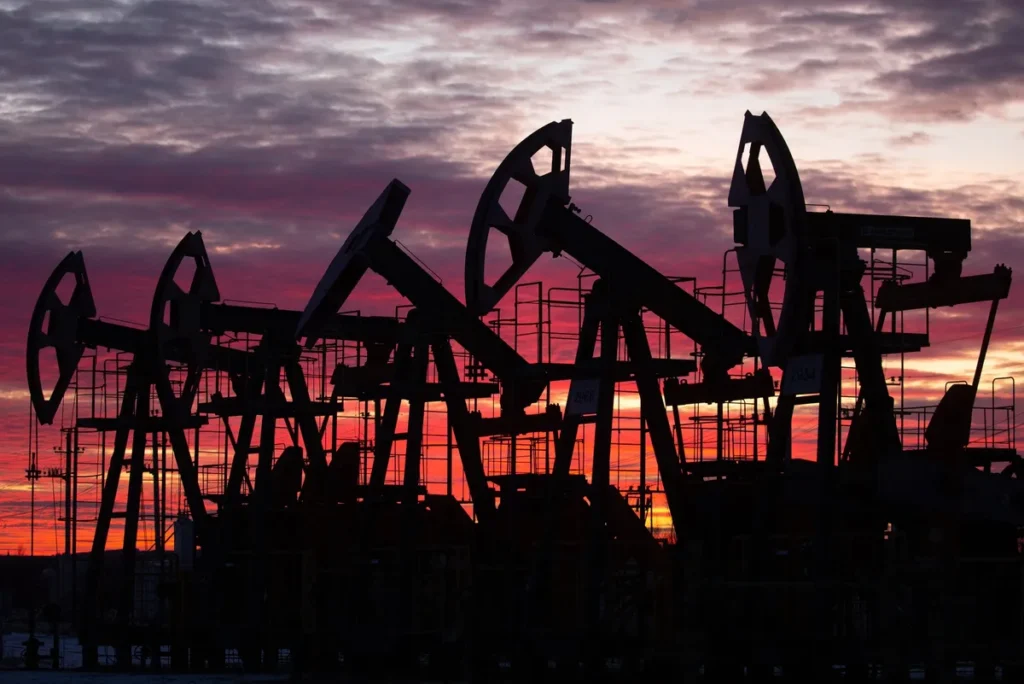
The crisis follows growing instability around the Strait of Hormuz, one of the world’s most critical oil transit corridors. Military tensions and security threats have disrupted tanker traffic and raised fears of supply shortages across international markets. Roughly one-fifth of global oil trade normally passes through this narrow waterway. This makes any disruption a serious concern for energy-importing economies. Analysts warn that prolonged instability could trigger higher oil prices and increased volatility in global markets. The ongoing confrontation has already affected shipments from several Gulf exporters. Some Asian refineries have reduced operations as they assess supply risks and rising transportation costs.
India Seeks Stable Energy Supplies
India remains highly dependent on imported crude oil to meet its rapidly growing energy demand. Analysts note that the country could face greater vulnerability to supply shocks because it maintains relatively limited emergency reserves compared with other major economies. In recent years, India has strengthened energy trade with Russia as discounted crude shipments increased after global sanctions altered oil flows. Russian oil now represents a significant share of India’s imports, making the partnership strategically important for both countries.
Experts say Russia’s willingness to reroute oil shipments could provide India with short-term stability while geopolitical tensions continue to threaten Middle Eastern exports. The development also highlights the growing shift in global energy trade toward Asian markets amid ongoing geopolitical conflict.
Stay tuned with The World Times for the latest updates.