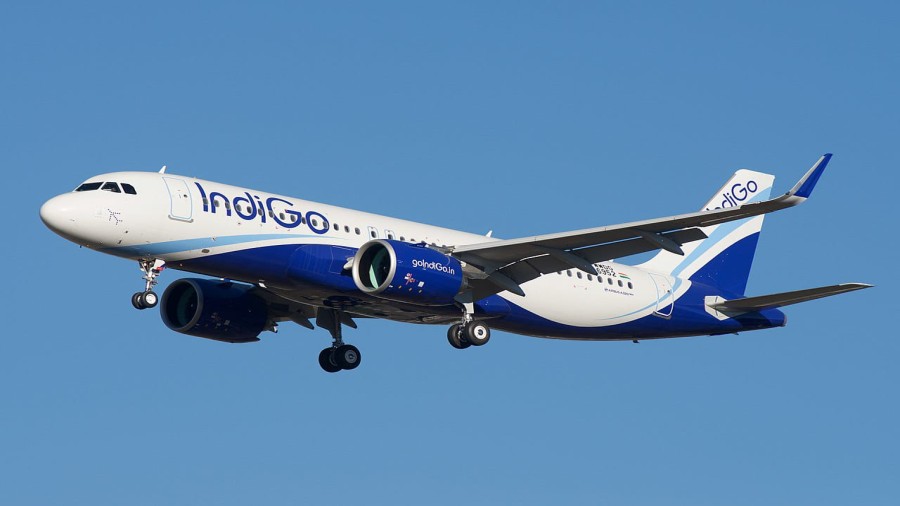
India’s aviation regulator, the Directorate General of Civil Aviation (DGCA), has imposed a significant penalty of ₹22.20 crore on IndiGo Airlines. The widespread flight disruptions that crippled the carrier’s operations in early December 2025 resulted in the penalty. The action follows a detailed inquiry that revealed serious lapses in planning, management, and compliance, which have severely affected passengers nationwide.
Between December 3–5, 2025, IndiGo cancelled 2,507 flights and delayed 1,852 more, leaving over three lakh passengers stranded at major airports. The DGCA report attributes these disruptions to systemic shortcomings in airline operations rather than external factors such as weather.
What triggered the disruption?
The DGCA-appointed four-member inquiry committee identified multiple reasons for the operational breakdown:
- Over-optimised operations: IndiGo’s planning leaned heavily on tight crew duty rosters and maximised utilisation of aircraft and crew, leaving little buffer to absorb normal disruptions.
- Failure to implement new norms: The airline did not properly prepare for the revised Flight Duty Time Limitation (FDTL) rules. It governs pilot rest requirements and duty hours.
- Weak contingency planning: There were gaps in scheduling systems and software support, resulting in limited operational control and a slow response to emerging issues.
- Management oversights: The report noted shortcomings in managerial supervision and regulatory readiness within the airline’s leadership.
These factors combined to produce a cascading effect: when a few flights ran late, the tightly packed schedules left no recovery margin. This caused delays and cancellations to multiply rapidly across IndiGo’s network.
Penalty breakdown and enforcement
The ₹22.20 crore fine includes:
- ₹1.80 crore one-time penalties for multiple violations of Civil Aviation Requirements (CARs).
- ₹20.40 crore for continued non-compliance with revised FDTL rules over 68 days (from December 5, 2025, to February 10, 2026) at a rate of ₹30 lakh per day.
In addition to the financial penalty, the DGCA has taken regulatory actions against specific senior leaders. A senior vice-president at the Operations Control Centre was directed to be relieved of his role, and warnings were issued to top executives for their roles in the crisis.
The regulator has also ordered a ₹50 crore bank guarantee under a newly created IndiGo Systemic Reform Assurance Scheme (ISRAS). This guarantee will be released in phases only after the DGCA verifies improvements in strategic planning, operational resilience, manpower management, and digital systems.
Impact on passengers
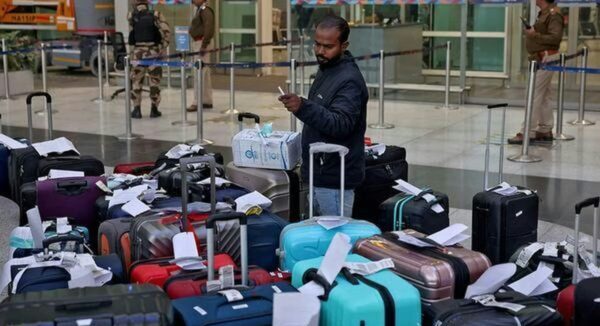
The disruption affected travellers nationwide. Many faced long waits and missed connections due to late cancellations. The airline reported that it has completed refunds for all affected flights and has offered additional compensation through its “Gesture of Care” travel vouchers as a goodwill gesture.
Under DGCA rules, passengers are entitled to refunds, alternative flights, and compensation depending on the timing of cancellation notices. These regulations aim to protect passenger rights and ensure airlines uphold service standards. Though the implementation in this incident drew mixed reactions and stress among travellers.
About IndiGo
IndiGo is one of India’s largest domestic airlines, operated by InterGlobe Aviation Ltd. Known for its low-cost model and extensive network, IndiGo has dominated the Indian skies in recent years, carrying tens of millions of passengers annually. The airline has built its brand on punctuality and competitive pricing, which made the December disruptions particularly notable in the aviation sector. Its rapid expansion and tight operational planning helped it grow. However, these same strategies contributed to vulnerabilities when faced with evolving regulatory norms and real-time operational challenges.
The Additional Impact
The DGCA’s enforcement action underscores the importance of balanced operational planning, strong management oversight, and preparedness for regulatory changes in the fast-paced aviation industry. Large-scale flight disruptions not only cause inconvenience to the passengers but also shake confidence in airline reliability and safety. By imposing strict penalties and demanding systemic reforms, the regulator aims to prevent similar incidents and strengthen aviation governance in India.
The IndiGo case will likely be studied by industry analysts as a cautionary example of the risks of over-optimisation without adequate contingency buffers. Specifically, when airlines navigate new norms designed to improve safety and workload management for flight crews.
For more articles like this, stay connected to The World Times.