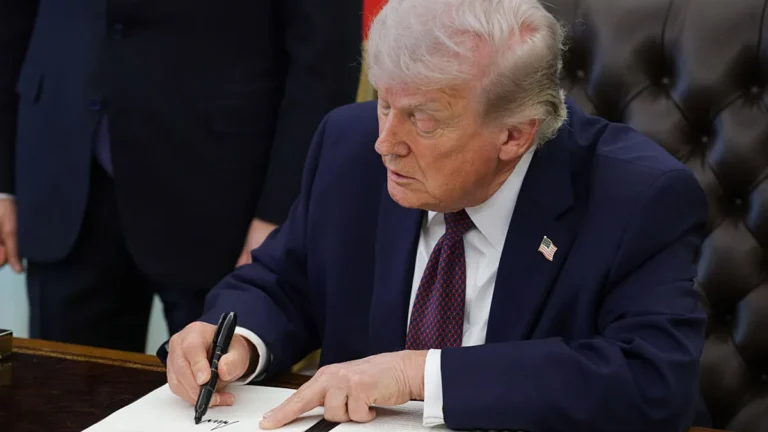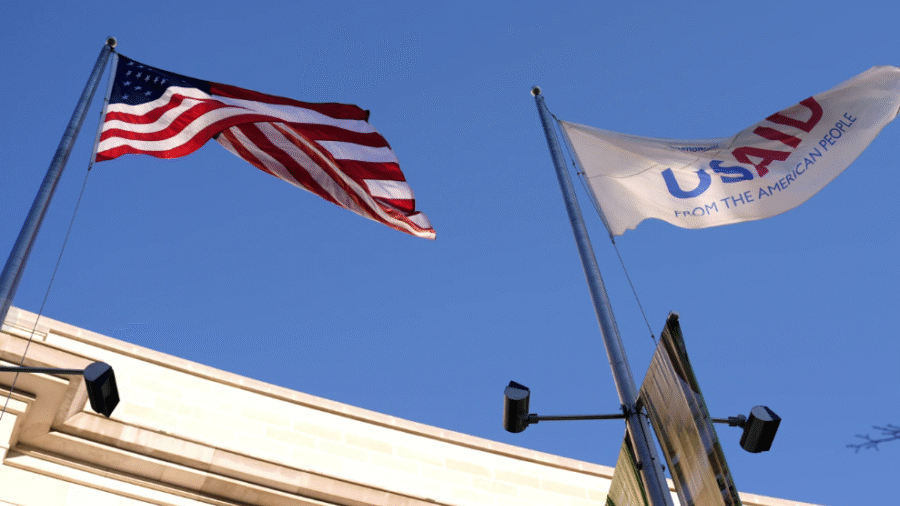
U.S. President Donald Trump has signed a memorandum directing the United States to withdraw from 66 international organizations, saying they no longer serve American national interests under the “America First” doctrine.
The order instructs all executive departments and agencies to stop participating in and funding 35 non-UN organizations and 31 United Nations bodies that the administration believes operate against U.S. security, economic prosperity, and sovereignty.
The affected UN entities include the UN Economic and Social Council, International Law Commission, International Trade Center, Peacebuilding Fund, and the UN Framework Convention on Climate Change. The U.S. will also exit several non-UN bodies such as the International Solar Alliance, 24/7 Carbon-Free Energy Compact, Colombo Plan Council, Commission for Environmental Cooperation, Education Cannot Wait, and the European Centre of Excellence for Countering.
Context: Why This Happened
The decision follows a government review launched soon after Trump’s February 2025 inauguration, which examined whether U.S. involvement in international organizations aligns with national priorities. Administration officials argue that many of these bodies are wasteful, inefficient, and provide limited benefits to American taxpayers, while some promote agendas that conflict with U.S. interests.
Officials also accuse several organizations of advancing aggressive climate policies, global governance initiatives, and ideological programs that undermine American sovereignty. Since returning to office, Trump has steadily reduced U.S. participation in multilateral institutions, including moves to withdraw from the World Health Organization, the Paris Climate Agreement, the UN Human Rights Council, and to reject the OECD’s global tax deal.
Who Gains, Who Loses, and Who Remains Silent
Supporters within the Trump administration and parts of the domestic political base will benefit from the move. It reinforces national sovereignty, cuts international financial commitments, and fits with the broader “America First” agenda. Fiscal conservatives see the withdrawals as a chance to redirect taxpayer money to domestic priorities and border security.
On the other hand, international organizations, humanitarian agencies, climate institutions, and developing countries will likely face a loss of funding stability, coordination, and diplomatic engagement from one of the world’s biggest contributors. Multilateral partners that depend on U.S. leadership for reforms and collective action may also experience uncertainty. Meanwhile, several UN agencies have stayed mostly silent. They attribute this to a lack of formal communication and clarity from Washington, which limits their ability to publicly evaluate operational impacts.
Global Impact and Strategic Implications
UN Response and Legal Implications:
UN Secretary-General Antonio Guterres expressed regret over the U.S. decision to withdraw from 31 UN-related agencies. The UN noted that member states, including the United States, have a legal responsibility under the UN Charter to keep paying assessed contributions that the General Assembly has approved. UN officials also stated that agencies will continue their work, even with funding uncertainties.
Impact on the United States:
The withdrawal may lower U.S. financial commitments and reduce administrative work. This could allow the government to redirect funds to domestic or strategic priorities. However, less involvement might also weaken U.S. influence in shaping global policies on climate action, trade standards, humanitarian aid, and international governance.
Impact on International Programs:
Several global initiatives may face funding shortfalls, delayed implementation, and operational instability. This is especially true in areas like climate cooperation, education financing, and peacebuilding. Moreover, countries that rely on multilateral funding and technical support may see slower development outcomes.
Geopolitical Impact:
The smaller U.S. presence is likely to create a leadership gap. This will allow China to increase its influence in international institutions, thanks to its financial resources and growing involvement in global governance.
What to Watch Next
Attention now shifts to how much the U.S. will decrease its global involvement and how international organizations will handle potential funding shortages. U.S. officials have said that a complete exit from the United Nations is unlikely. Washington aims to stay involved in forums that establish global standards.
With China holding veto power within the UN system, ongoing engagement enables the U.S. to counter Beijing’s influence from within instead of leaving institutional space. The coming months will reveal whether this strategy stabilizes or further reshapes global cooperation.
For more informative articles like this, stay tuned to The World Times.