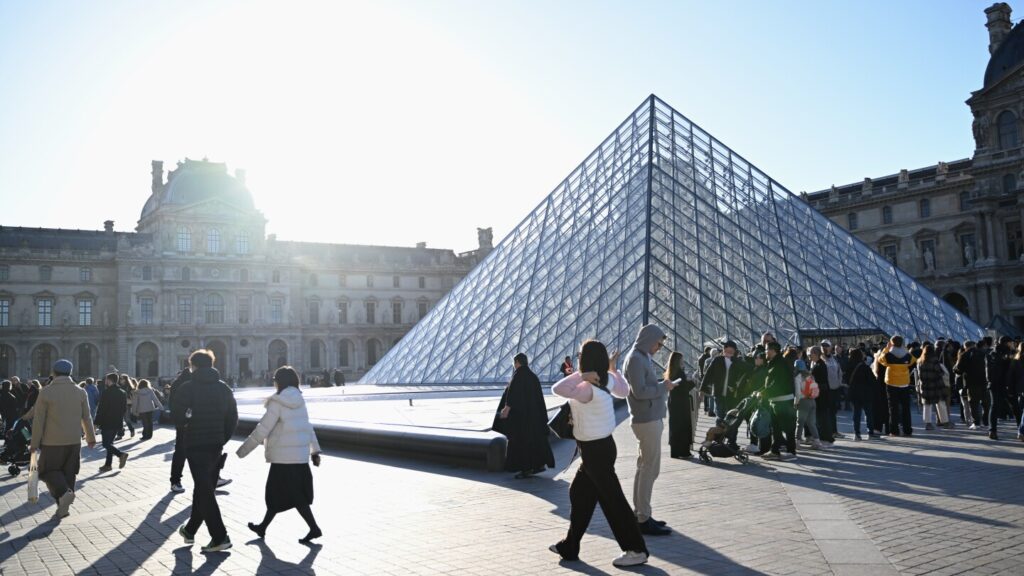
A sudden water leak inside the Louvre has damaged hundreds of books in its Egyptian antiquities department, igniting fresh concern over the museum’s ageing infrastructure.
What Went Wrong
In November 2025, a water leak at the Louvre Museum, caused by an accidentally opened valve in an obsolete heating system, damaged approximately 300 to 400 Egyptology journals and research materials in the Mollien wing. Museum officials have confirmed that no irreplaceable heritage artifacts or precious books suffered irreparable damage.
According to the specialist outlet La Tribune de l’Art, nearly 400 rare volumes were affected. The publication attributed the incident to faulty piping. It also noted that curators had repeatedly requested funding to upgrade protections for the collection. However, there had been little progress so far.
The leak occurred just weeks after a high-profile jewelry heist in October 2025. It also followed the partial closure of another gallery due to structural weaknesses. This raised significant concerns about the state of the museum’s facilities.
Crisis on Multiple Fronts
In November, a water leak in the Louvre Museum’s library damaged hundreds of research books. This deepened public scrutiny of the museum’s upkeep just weeks after a high-profile jewel heist exposed security flaws in October. The accidental opening of a valve reportedly caused the leak in the Egyptian antiquities department’s library. It happened within an outdated heating and ventilation system.
Between 300 and 400 Egyptology journals and scientific documents dating from the late 19th and early 20th centuries suffered damage, according to the museum. The Louvre said no unique artifacts had been harmed and confirmed that the damaged books are now undergoing restoration. Museum officials have admitted that the faulty water pipes had been a longstanding concern. However, authorities do not plan to start repairs until September 2026.
The leak comes in the wake of a high-profile theft in October, when four intruders used a furniture lift to access the building. They made off with Napoleonic-era jewels valued at around $102 million. Authorities have since arrested several suspects, although the stolen pieces remain missing. Additional issues surfaced in November, when structural problems forced the temporary closure of a gallery containing Greek vases and some nearby offices.
A recent public audit warned of shortcomings in infrastructure management. These incidents, taken together, highlight deeper vulnerabilities at the museum. They also reveal a growing tension between expansion projects and essential maintenance. To help finance structural upgrades, the Louvre intends to raise ticket prices for most non-EU visitors from €17 to €32.
What’s Being Done: Restoration and Review
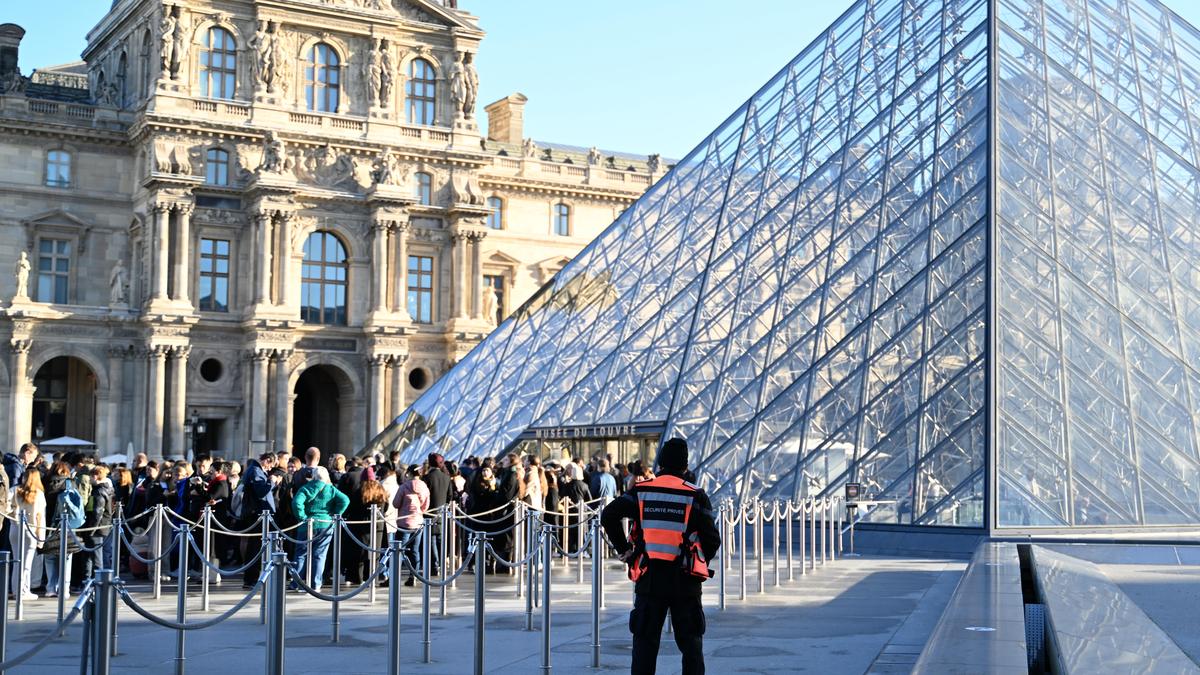
The Louvre’s deputy administrator, Francis Steinbock, confirmed that between 300 and 400 works—mainly books—were damaged in the recent leak. The assessment of affected items is still underway. He said the incident occurred in the museum’s Egyptian Department and involved volumes commonly used by Egyptologists. He also stressed that no rare or “precious” titles suffered harm.
Steinbock noted that the underlying problem had been known for years, with repairs only scheduled for next year. The museum staff are now drying the books and will send them for rebinding and restoration before returning them to the collection.
Describing the damaged material as Egyptology journals and scientific documentation from the late 19th and early 20th centuries, he reiterated that no heritage artifacts were impacted. “At this stage, we have no irreparable losses in these collections,” he told Agence France-Presse news agency.
Why It Matters: Heritage Under Threat
The Louvre may house centuries-old heritage. However, the leak reminds everyone that modern infrastructure matters just as much as ancient art. While officials insist they did not lose any rare manuscripts, the incident has prompted questions about long-delayed maintenance. As restoration experts step in, the world’s most visited museum is once again learning that even history needs maintenance.
For more such informative articles, stay tuned to The World Times.