The US has temporarily halted immigration applications from travel-ban countries, citing heightened security concerns and the need for stricter vetting.
A Ban That Never Fully Faded
The U.S. travel bans under the Trump administration involved several versions of executive actions. The travel bans faced significant legal and political challenges. President Joe Biden largely revoked the restrictions in January 2021.
The list of restricted countries changed with each executive order.
- 2017 Initial Ban (EO 13769): Iran, Iraq, Libya, Somalia, Sudan, Syria, and Yemen.
- Revised Ban (EO 13780): Iraq was removed.
- Proclamation 9645 (Sept 2017): Added North Korea and certain Venezuelan officials; Chad was briefly added and later removed.
- Proclamation 9983 (2020): Expanded restrictions to Eritrea, Kyrgyzstan, Myanmar, Nigeria, Sudan, and Tanzania.
Because most affected nations were Muslim-majority, critics widely referred to the policy as a “Muslim ban.”
The travel bans triggered widespread backlash, prompting airport protests and a wave of legal challenges. Federal courts initially blocked the first two versions, arguing they may constitute religious discrimination. The dispute reached the U.S. Supreme Court, in 2018 upheld the third iteration of the policy. The court ruled that the president had broad authority to impose such restrictions for national security. The bans remained politically divisive, with critics pointing to Trump’s past remarks about Muslims, while the administration defended the measures as essential security reforms based on countries’ screening capabilities.
Applications Stopped at the Gate
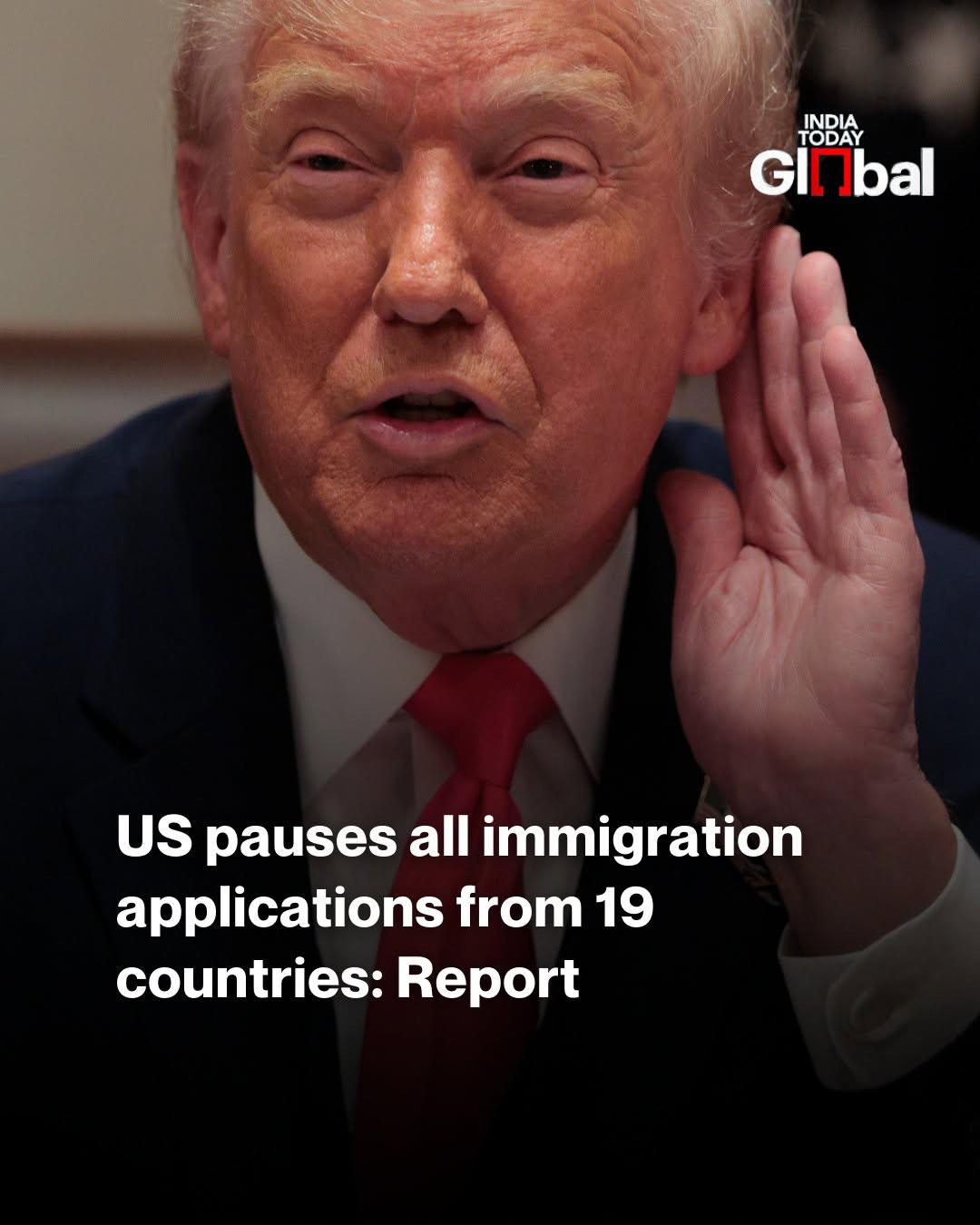
The Trump administration on Tuesday (December 2, 2025) announced an immediate pause on all immigration applications. The pause includes green cards and U.S. citizenship requests — from immigrants originating in 19 non-European countries, citing national security and public safety concerns. The halt affects the same countries already under a partial travel ban since June. It further tightened immigration controls central to President Trump’s policy agenda.
Officials said the decision follows last week’s attack on U.S. An Afghan national allegedly attacked National Guard members in Washington, killing one guard member and critically injuring another.
Security Concerns Take Center Stage
The Department of Homeland Security (DHS) and the Department of State have cited national security concerns as the basis for a recent pause on certain immigration applications. This action, implemented by the Trump administration, follows the shooting of two National Guard members by an Afghan national in Washington, D.C.
DHS Secretary Kristi Noem urged the White House to impose a full travel ban on high-risk countries and tighten security-focused screening procedures, as investigators examine whether the suspect in last week’s National Guard shooting became radicalized after arriving in the U.S. USCIS issued a policy memo formalizing the pause on immigration applications.
The move builds on a June 2025 State Department proclamation that halted visa issuance for nationals of 12 countries and restricted access for seven others over security concerns. The latest suspension extends those measures to individuals from all 19 affected countries who are already living in the United States.
Immigration, restricted due to security concerns
Administration officials argue the restrictions are necessary because some governments “cannot provide secure identity documents” or adequate background information for vetting. USCIS Director Joseph Edlow said officials will keep the freeze in place until they vet every applicant “to the maximum degree possible.” He confirmed that authorities are re-evaluating all previously issued green cards from countries of concern.
The pause covers a broad range of immigration processes, from green cards to naturalization. It also includes a separate halt on visa processing for Afghans who assisted U.S. forces. Critics, however, say the policy amounts to collective punishment. They also warn that the actions of a single individual should not trigger sweeping bans. Afghan community groups have appealed to the administration to avoid delaying or denying long-standing claims. They cite the country’s deep ties with the United States.
Impact on Applicants
The sweeping U.S. immigration pause introduced in late 2025 has stalled family reunification and left thousands of asylum seekers, refugees, students, and workers from targeted countries in limbo. The halt has triggered major backlogs, canceled interviews, and heightened scrutiny. Along with the DNA testing for some refugees, mounting financial and emotional strain for families waiting to join loved ones in the United States.
Spouses, children, and parents of U.S. citizens or green card holders, especially those from countries on the travel ban list, face immense delays in joining their families. Already vulnerable groups see their applications (like I-730 family reunification) slowed. Along with increased evidence requests and DNA testing burdens, this has created massive backlogs.
Nationals from certain countries face suspended processing, cancelled interviews, and halted naturalization ceremonies. While specific student/worker visas weren’t the primary focus, overall immigration processing freezes indirectly affect them by creating an uncertain environment and slowing family-based pathways.
As the U.S. hits the brakes on immigration from travel-ban nations. The move has sparked fresh debate over security, fairness, and America’s identity as a global gateway. Whether this pause becomes a turning point or just a momentary jolt now depends on the policy choices that follow—and the voices shaping them.
For more such informative articles, stay tuned to The World Times.