Barely had the welcome mats been rolled out when they were abruptly snatched away. Iran has slammed shut its visa-free entry for Indian citizens, not due to geopolitics, but chilling reports of fake job promises, exploitation, and even kidnappings.
The Welcome Mat Withdrawn: From Open Doors to Closed Gates
The West Asian nation has halted its visa-free entry for Indian nationals with ordinary passports, the Ministry of External Affairs said on Monday. The move follows reports of Indians being misled by fake job offers or false promises of onward travel to other countries.
In a statement, the MEA said the government had been alerted to multiple cases of Indian citizens being enticed to Iran with fake job offers or promises of onward travel to other countries. It noted that many of these individuals used the visa waiver to enter Iran, only to be kidnapped for ransom after arriving.
The MEA confirmed that the Iranian government has “suspended the visa waiver facility” for holders of ordinary Indian passports, effective November 22, 2025. The decision aims to prevent further exploitation of the waiver by criminal networks.
“From that date onward, Indian nationals with ordinary passports must obtain a visa to enter or transit through Iran,” the ministry said.
India Responds: Government Cautions Travelers
The Indian Ministry of External Affairs (MEA) has issued a recent advisory urging citizens to remain vigilant against fraudulent recruitment agents, following Iran’s decision to suspend its visa-free entry for Indian nationals with ordinary passports.
From November 22, 2025, all Indian nationals holding ordinary passports will be required to obtain a valid visa to enter or transit through Iran. The visa-free facility, previously available for short-term tourism (15 days, once every six months), has been suspended.
The advisory recommends that anyone seeking jobs abroad use only the services of registered recruiting agents and verify their genuineness through the government website, as per the Emigration Act 1983. Information regarding registered agents can be cross-checked on the official emigrate.gov.in website.
Impact on Travelers: Tourism and Business Take a Hit
The withdrawal of visa-free entry for Indian travelers will impact tourism and business by making travel more difficult and costly, as Indian nationals will now need a visa to enter or transit through Iran.
Previously visa-free and easy entry has been replaced by a mandatory visa process, adding costs and time for Indian tourists.
Iran’s rich cultural heritage, historical sites, and religious destinations like Isfahan, Shiraz, and Qom were popular with Indian tourists who now face a more complex process. The visa-free entry was also used as a convenient and cheap transit point to other countries. Its cancellation means travelers must now obtain a visa to transit through Iran, affecting those headed to Europe or Central Asia.
The need for a visa adds a formal, potentially time-consuming, and costly step to any business travel. The added complexity can disrupt business operations that rely on efficient travel for meetings, trade, or other activities.
Rising Smuggling Networks: The Hidden Danger Exposed
Visa-free access for ordinary Indian citizens was abused by criminal elements, including traffickers and agents, who lured people with false promises of jobs in Iran or easy transit to Europe and the Gulf. These individuals were often kidnapped upon arrival and held for ransom.
MEA said it had been alerted to multiple incidents where Indians were deceived into travelling to Iran with promises of high-paying jobs, easy transit to Gulf or European countries and visa-free employment opportunities. Many of these individuals were then kidnapped on arrival, with criminal gangs demanding ransom from their families, it said. The Indian embassy in Tehran was involved in rescuing several of them. ET has learnt that New Delhi and Tehran were engaged on the matter following which the Iranian government decided to withdraw visa-free entry.
Diplomatic Re-calibration: What This Means for India–Iran Relations
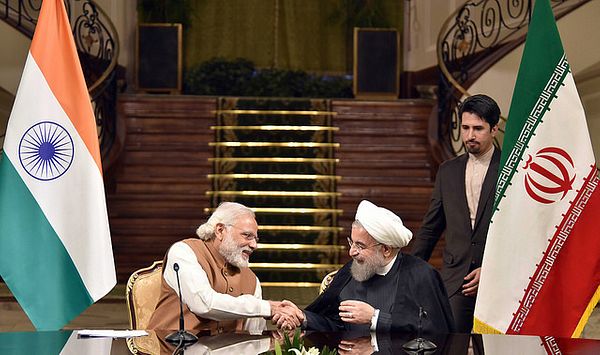
The decision is an administrative step by Iran to prevent a specific problem, not an indication of broader diplomatic tension or a political re-calibration of the relationship between the two countries. While an inconvenience for tourists, the move is unlikely to significantly disrupt core areas of cooperation, such as trade or strategic partnerships. The action is a response to safety concerns and criminal activity targeting Indian citizens traveling to Iran.
While the gates may be closed for now, the move underscores a deeper crisis of fraudulent recruiters and unsafe migration routes. Only coordinated action between India and Iran can restore trust—and eventually reopen the doors with stronger safeguards.
For more such informative articles stay tuned at The World Times.