In a bold move to protect its youngest citizens, Denmark is taking a digital stand — no more scrolling for the under-15s as the nation moves to shield young minds from social media’s dark side.
Protecting Young Minds of Denmark
Denmark‘s government has announced a plan to ban social media access for children under the age of 15 on November 7,2025.
This is due to significant concerns over the negative impact on youth mental health and well-being. The primary aim is to protect youth mental health, citing concerns over harmful content, commercial pressure, disrupted sleep, and increasing anxiety linked to social media use.
The government believes social media use disrupts children’s sleep, concentration, and peace of mind, contributing to increasing mental health pressures.
The most popular platforms among Danish children — Snapchat, YouTube, Instagram, and TikTok — are set to be the main focus of the upcoming ban. A study by the Danish Competition and Consumer Authority revealed worrying patterns in online behavior. Danish children spend an average of 2 hours and 40 minutes daily on social media. This heavy screen time underscores the urgent need for regulatory action.
Prime Minister Mette Frederiksen first introduced the idea of restricting children’s access to social media last month. In her address to parliament, she highlighted the harmful effects these platforms have on young people’s mental health. She cited studies showing that 60 percent of Danish boys aged 11 to 19 prefer staying home over meeting friends, highlighting how technology is isolating youth, according to a report by The Daily Mail. Digitalization Minister Caroline Stage Olsen echoed this concern and asserted that social media platforms “thrive on stealing our children’s time, childhood, and well-being.” With a parliamentary majority now backing the proposal, the government is expected to move the plan forward smoothly.
Legal Framework Underway
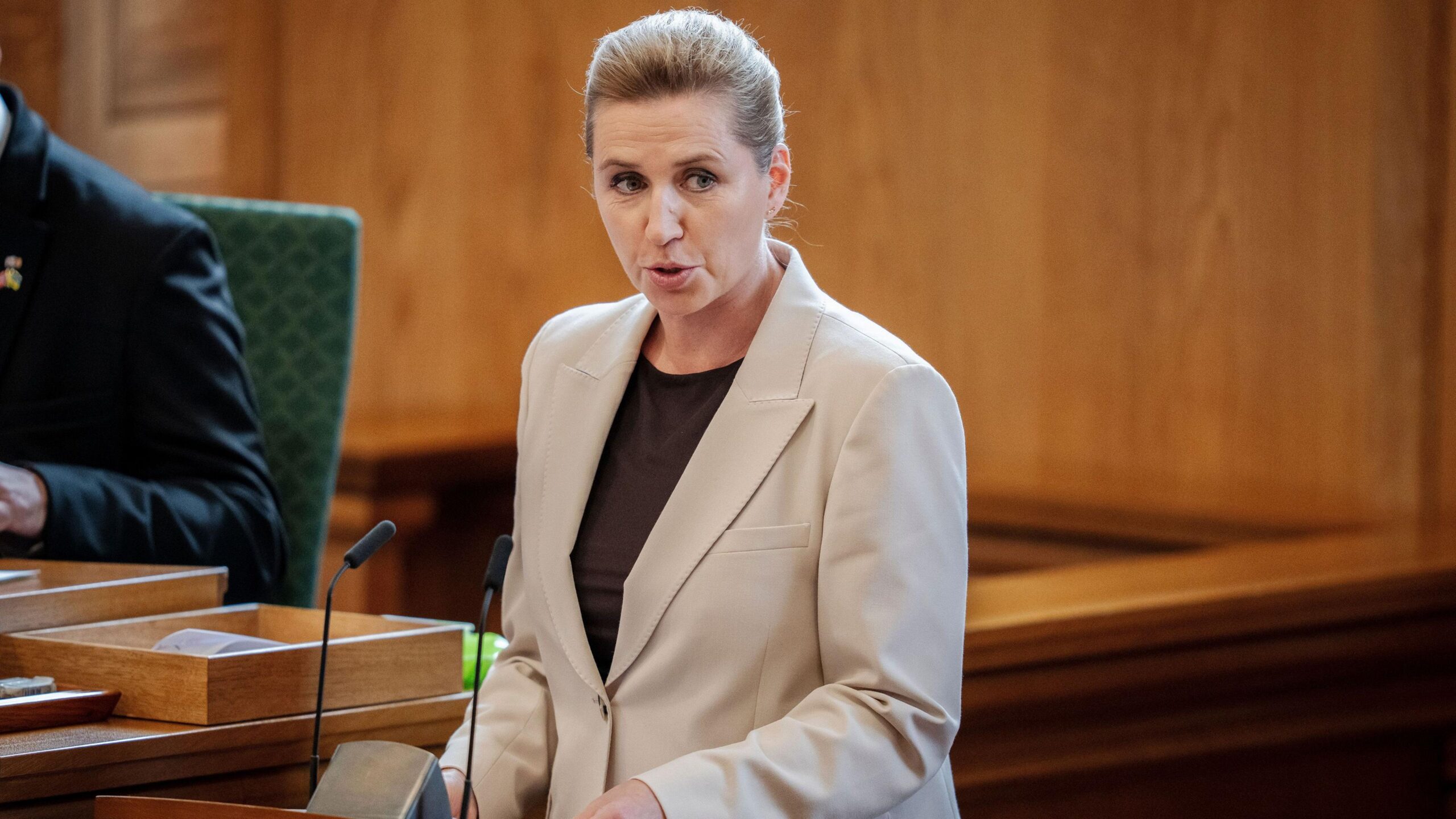
The entity described is the Danish Ministry of Digital Affairs, and the legislation is a proposed national law in Denmark that will likely include mandatory age verification systems and penalties for companies that fail to comply.
Denmark plans to use its national electronic ID (eID) system for enforcement and is developing an age-verification app. Fines for non-compliant companies could be up to 6% of their global revenue, enforceable through the EU Commission.
A European First — or the Start of a Trend?
This would be one of the most far-reaching steps by an EU nation to curb social media use among minors. The move reflects global concerns over children’s growing online exposure.
It comes on the heels of Australia’s recent decision to implement the world’s first social media ban for minors, setting the minimum age at 16. The government has scheduled that law to take effect on December 10.
Denmark’s bold move could spark a global shift toward helping children reconnect with life beyond screens. It’s a call to value real faces over digital filters. As debates over digital freedom continue, Denmark’s decision sends a powerful message. Sometimes, disconnecting is the best way to protect young, developing minds.