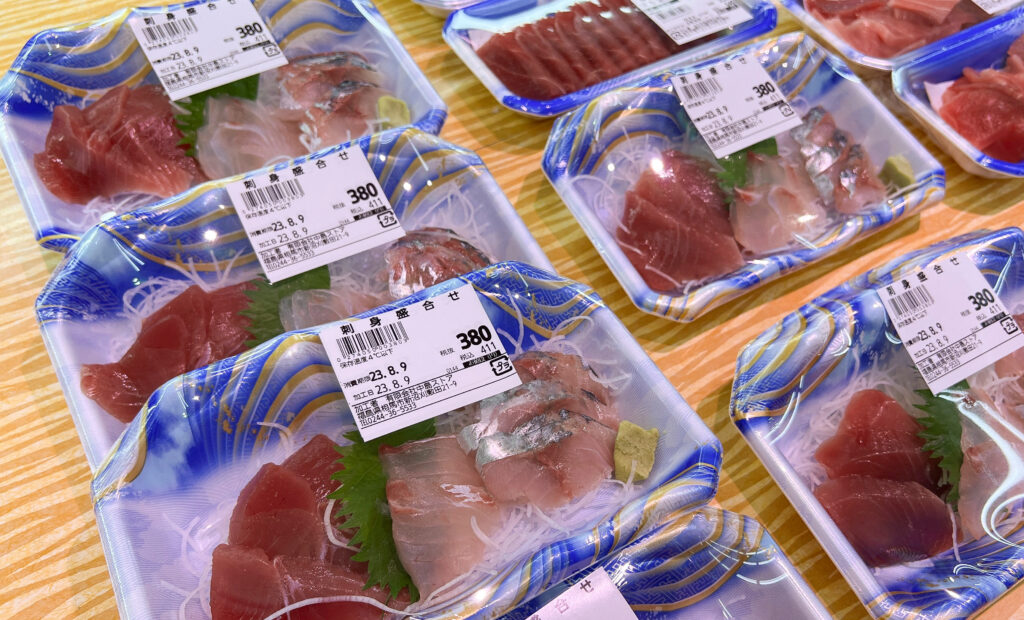
From Tokyo’s bustling fish markets to China’s coastal kitchens, the tides of trade are flowing once again .Two years after a bitter fallout over the Fukushima wastewater release, Japan ’s seafood is finally returning to Chinese markets — marking a symbolic thaw in strained bilateral ties.
Seafood Back on the Menu in Japan
Japan announced on Friday, November 7, 2025, that it has resumed seafood exports for the first time since China imposed a ban following the release of treated radioactive wastewater from the tsunami-damaged Fukushima Daiichi nuclear power plant more than two years ago.
Chief Cabinet Secretary Minoru Kihara informed reporters that six metric tones of scallops from Hokkaido were exported to China on Wednesday, November 5, 2025 — marking the first shipment to China since Beijing’s seafood ban imposed in August 2023.
Japan ’s Fukushima Disaster and Fallout
The Fukushima Daiichi nuclear plant experienced three reactor meltdowns after a massive earthquake and tsunami in 2011, resulting in large leaks of radioactive wastewater, which then had to be contained in storage tanks.
Japan started releasing treated radioactive water from the plant into the Pacific Ocean in August 2023, despite concerns among neighboring countries. In response, Beijing banned seafood imports from Japan, citing the risk of radioactive contamination.
The ban severely hit Japan’s seafood industry, especially scallop and sea cucumber exports. China had been Japan’s largest overseas seafood market.
Tokyo Cheers, Fishermen Breathe Easier
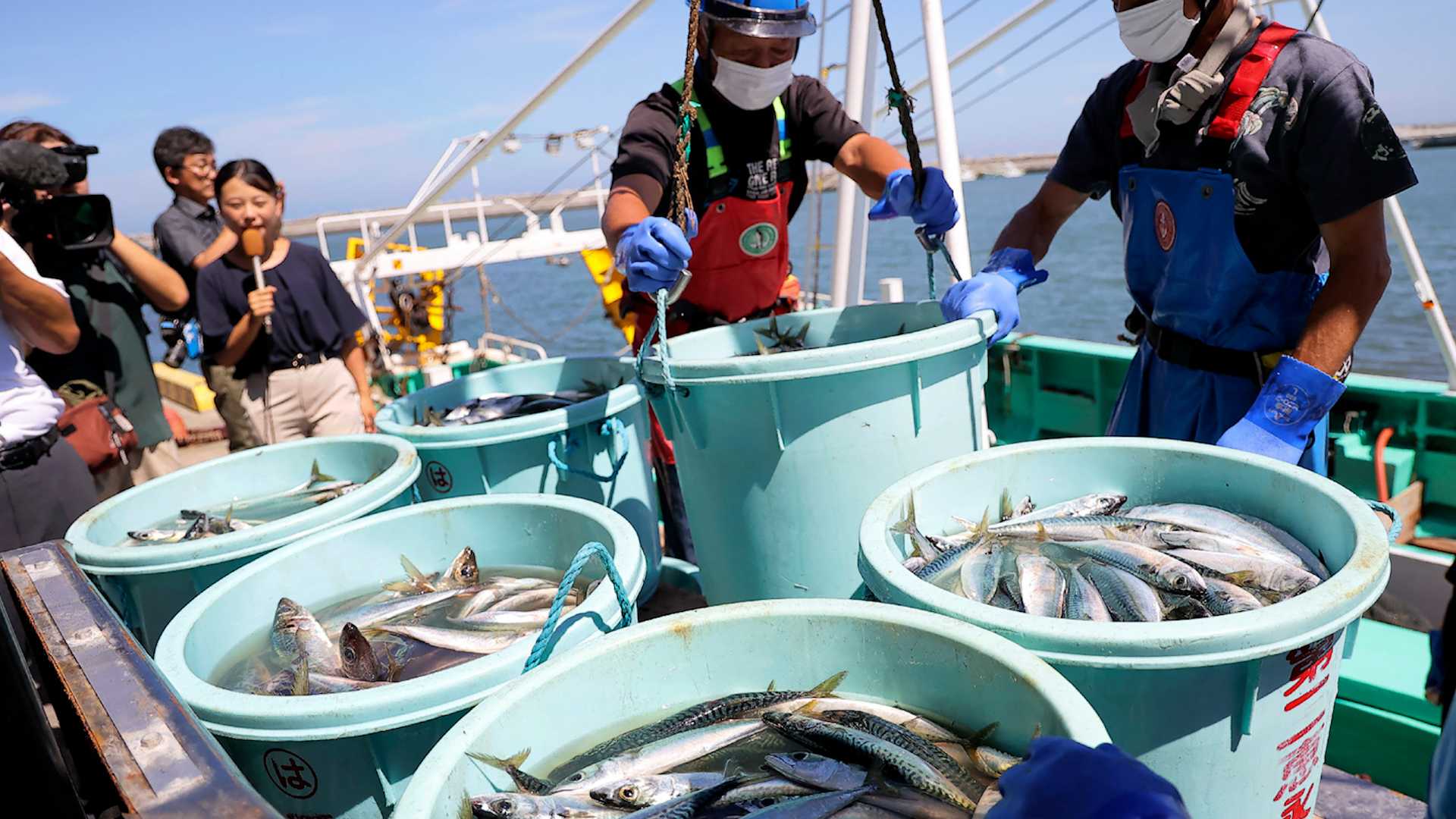
China announced the lifting of the ban in June after multiple rounds of negotiations between the two countries. Under the agreement, Japan must follow new procedures, including the registration of its fish processing facilities with Chinese authorities. Additionally, exporters are required to provide inspection certificates verifying that the seafood has been tested and cleared of radioactive contamination.
A ban still applies to seafood from Fukushima and nine surrounding prefectures, a restriction that China implemented immediately after the plant’s meltdowns.
Japanese officials welcomed the decision as a “scientifically justified step forward”. Fishermen and seafood businesses, who faced steep losses and declining morale, say the reopening could restore livelihoods and confidence.
Kihara said Japan would also continue to urge Beijing to lift the remaining bans and resume importing Japanese beef.
A Fresh Catch for Diplomacy
The return of Japan’s seafood to Chinese markets marks more than a policy shift. It’s a quiet nod toward stability in a region often rocked by waves of mistrust. For Japan’s fishing towns, the reopening of trade brings more than profit. It restores pride, purpose, and the rhythm of life that the tides once took away.
For more such informative articles stay tuned at The World Times.