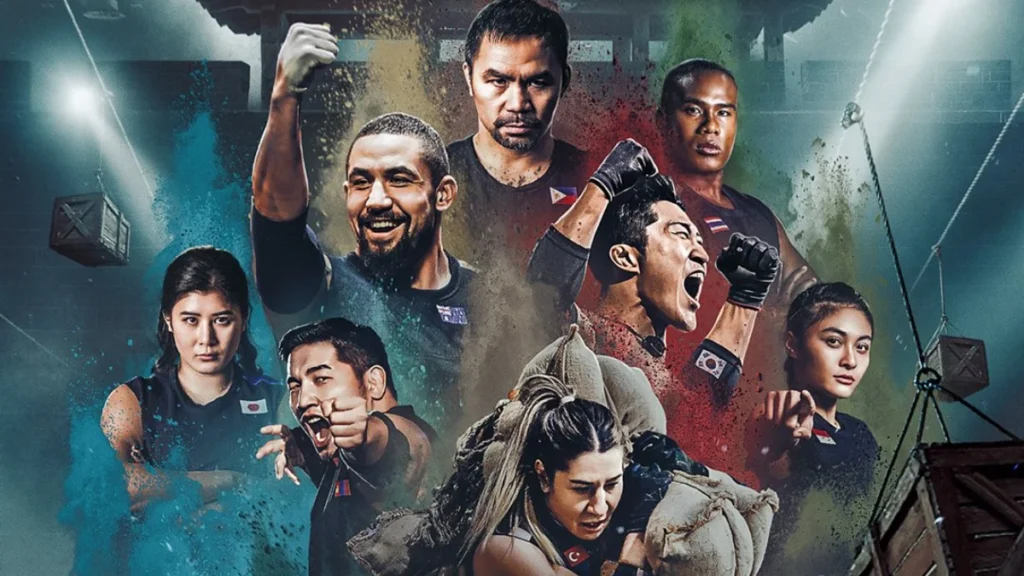
The new Netflix reality competition Physical: Asia has taken fans by storm, building on the success of its predecessor Physical: 100 and expanding it into a bold, international event. Premiering on October 28, 2025, the series transforms the original individual-based contest into a nation vs nation showdown, where athletes from across Asia and beyond compete in physical and strategic challenges. Eight countries are represented in this edition: South Korea, Japan, Thailand, Mongolia, Türkiye, Indonesia, Australia, and the Philippines. Each team features six athletes, totalling 48 participants.
From Individual Strength to National Glory
Physical: Asia raises the stakes by emphasising teamwork and national pride. Teams must rely on unity, communication, and strategy in addition to raw physical power. Netflix confirmed that the winning nation will take home a prize of ₩1 billion (approximately US $700,000), a significant increase from the original series. This format invites viewers to cheer for their own countries, blending competitive excitement with a sense of representation and identity.
The production scale of Physical: Asia is monumental. The National News (2025) reported that the show’s massive set spans an area equivalent to five soccer fields, constructed with over 1,200 tonnes of sand and 40 tonnes of steel. The challenges draw inspiration from various regional traditions, including Korean ssireum (traditional wrestling), Mongolian wrestling, and Turkish oil wrestling. By blending cultural heritage with modern athletic competition, the show pays homage to the physical traditions of multiple nations while pushing the boundaries of televised sports entertainment.
One of the biggest attractions of Physical: Asia is its star-studded cast. Leading the Philippine team is boxing legend Manny Pacquiao, one of the most iconic athletes in world sports history. His presence brings not only prestige but also motivation for the participants and Filipino viewers around the world. Robert Whittaker represents Australia, a former UFC Middleweight Champion known for his explosive power and calm discipline inside the octagon. Whittaker’s inclusion adds a global spotlight to the competition, especially for mixed martial arts fans.
Japan’s team includes the seasoned MMA fighter Yushin Okami, a veteran competitor in the UFC and other international circuits. His participation symbolises Japan’s strong martial arts heritage and adds credibility to the show’s athletic lineup. Each of these figures embodies not just physical excellence but also the cultural spirit and pride of their respective nations.
Expanding the Definition of “Asia”
The inclusion of Australia and Türkiye has sparked curiosity among viewers. While Australia is part of the broader Asia-Pacific region and often included in international “Asian” sports circuits, Türkiye’s transcontinental position between Europe and Asia adds an extra layer of cultural diversity. These inclusions suggest that Physical: Asia aims to go beyond geography, representing a shared spirit of competition and collaboration that extends beyond continental boundaries.
Global Reactions and Cultural Dynamics
A Reddit user humorously noted how Australian contestants’ casual language stood out from the more formal tone of Asian participants, adding a layer of cultural realism to the show. Despite these differences, Physical: Asia has been praised for its inclusivity and the way it celebrates diversity through physical performance.
Ultimately, Physical: Asia is more than just a fitness competition, it is a celebration of global athleticism, teamwork, and cultural pride. By merging intense physical trials with cross-cultural interaction, Netflix has created a program that not only tests the limits of human strength but also highlights unity among nations. With its large-scale production, internationally renowned competitors, and strong storytelling, Physical: Asia has solidified itself as one of the most talked-about reality shows of 2025.
Stay tuned in with The World Times for more stories!